
 English
  عربى
عربى 
HIDE FILTER
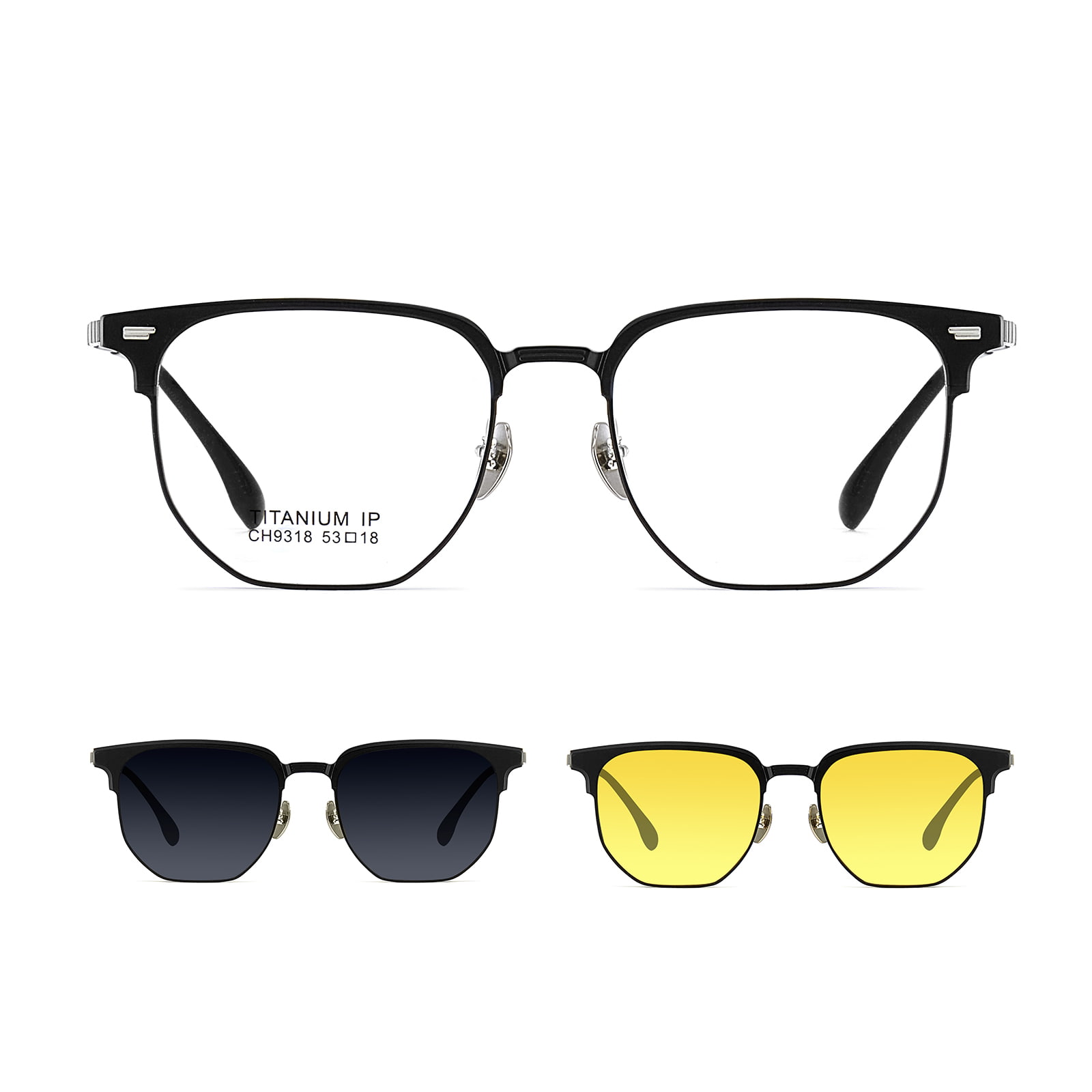
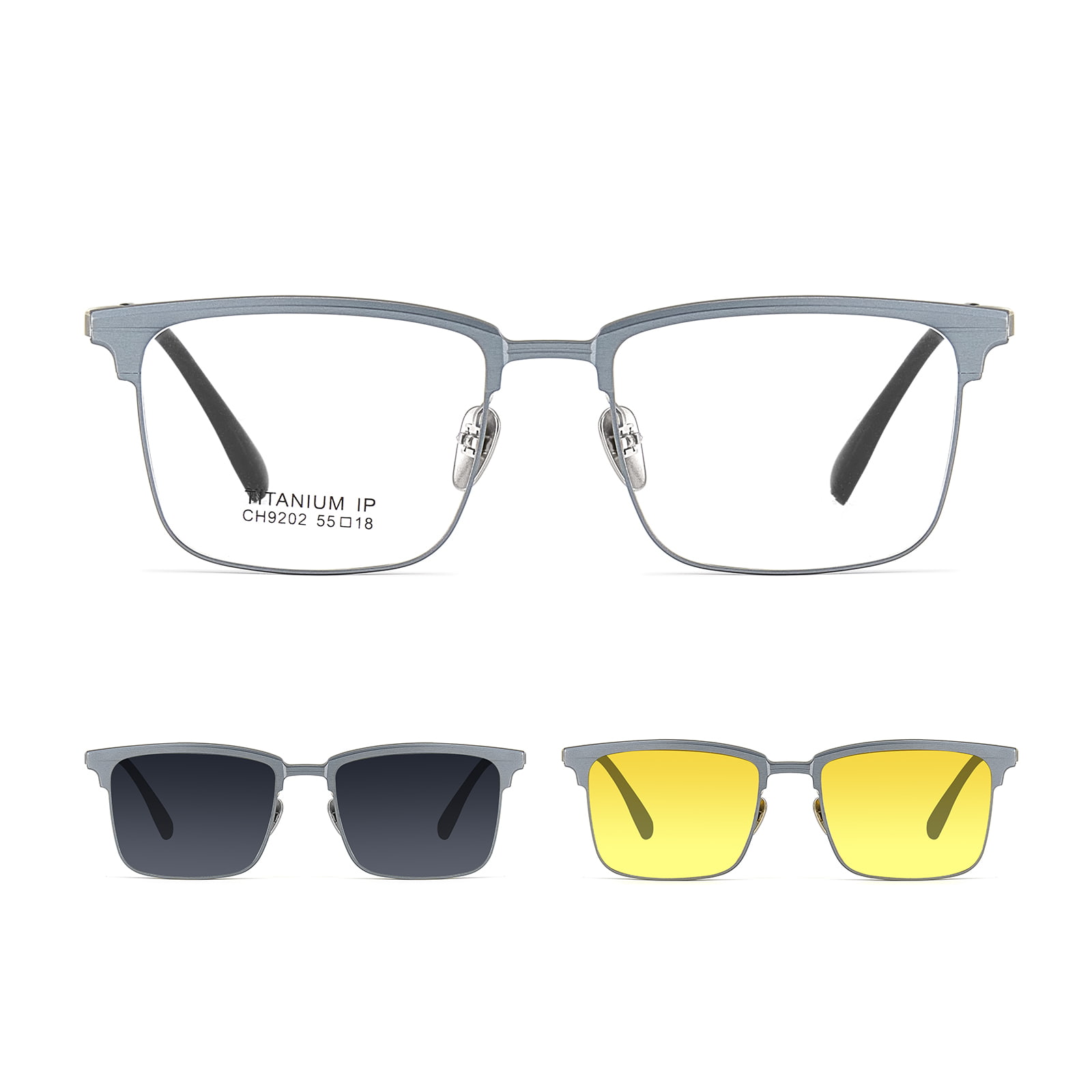
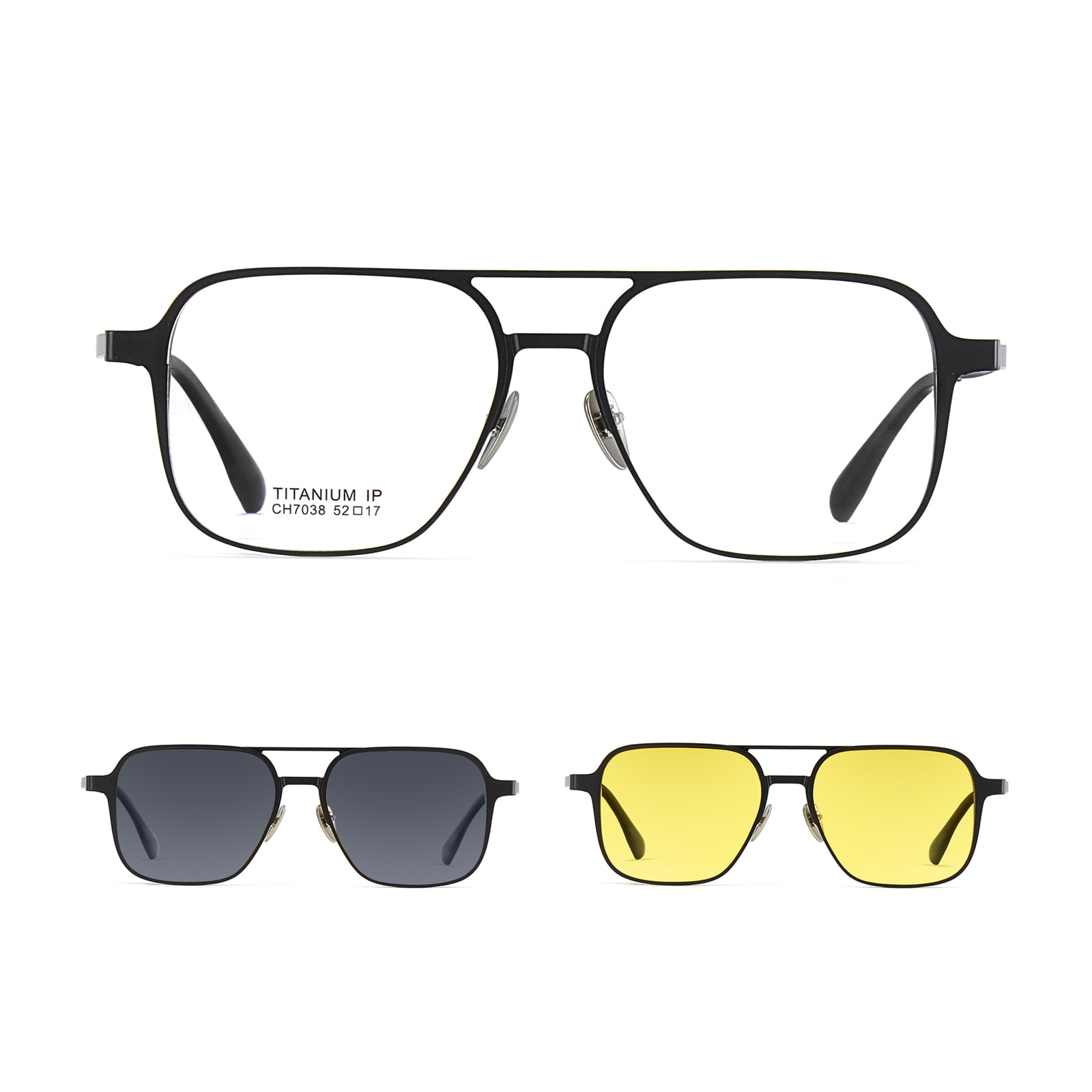
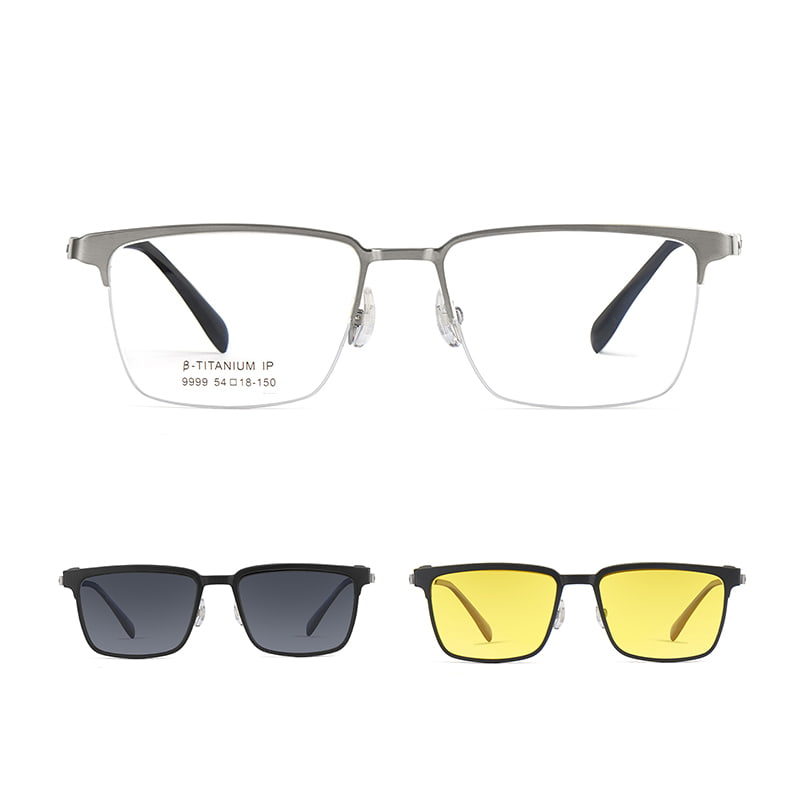

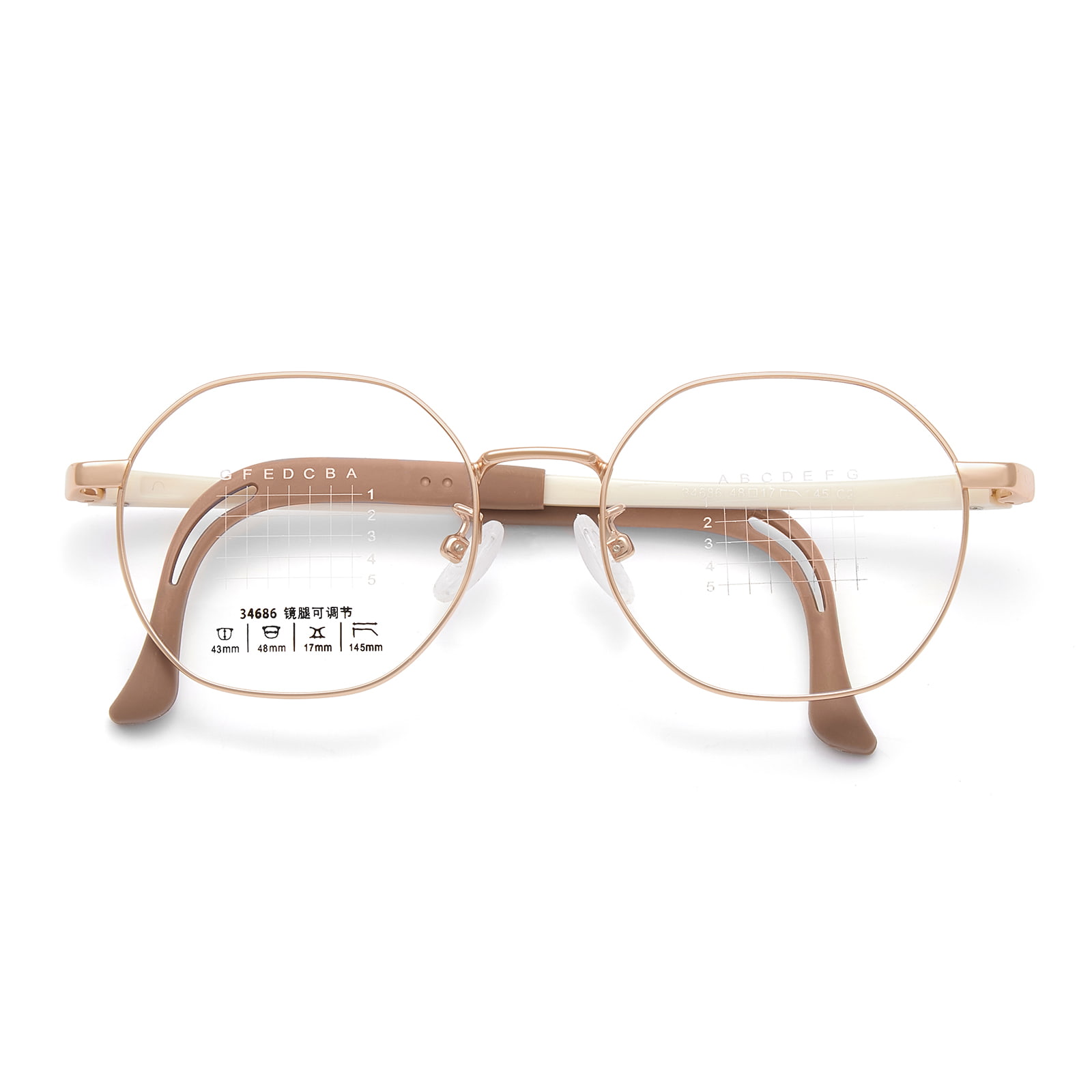
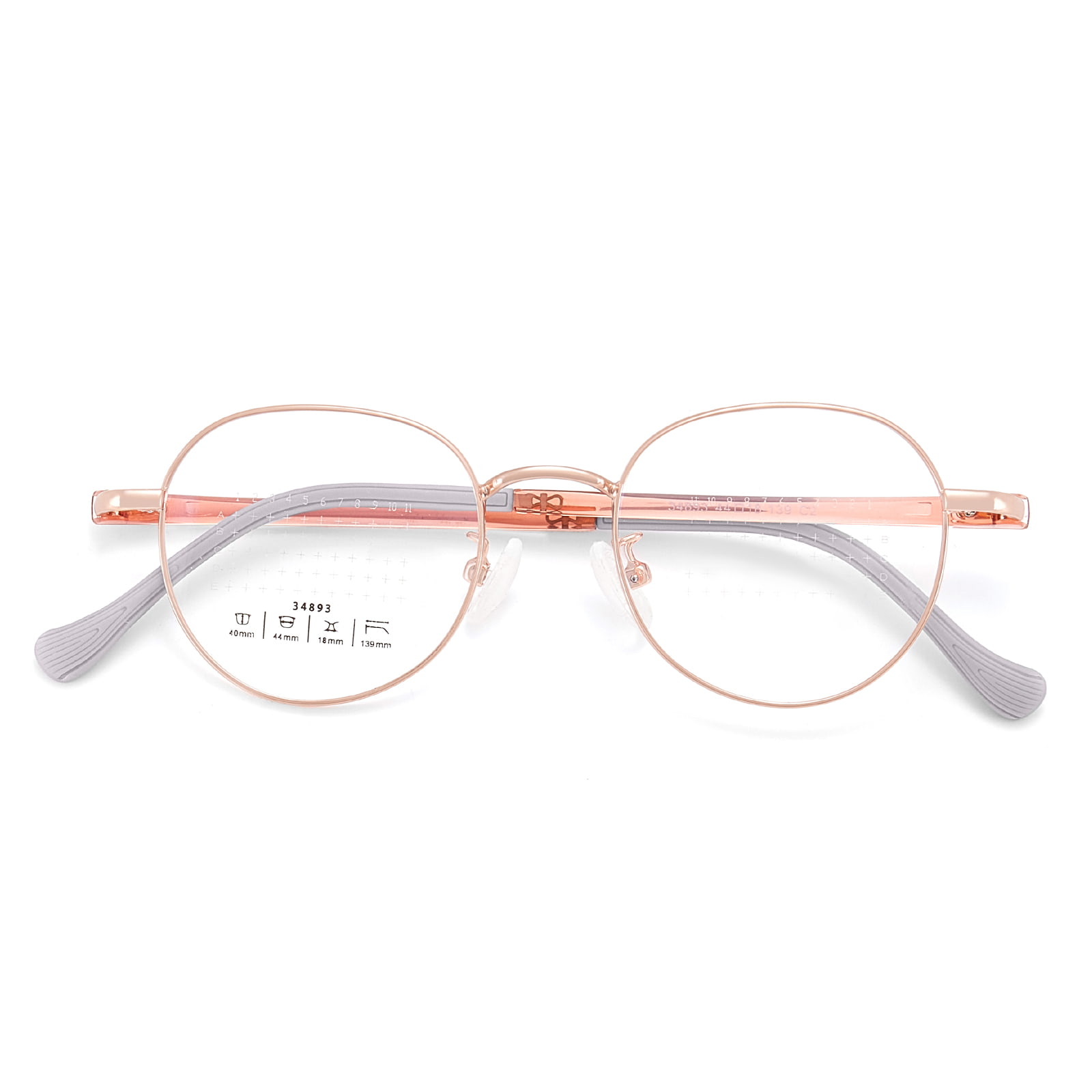
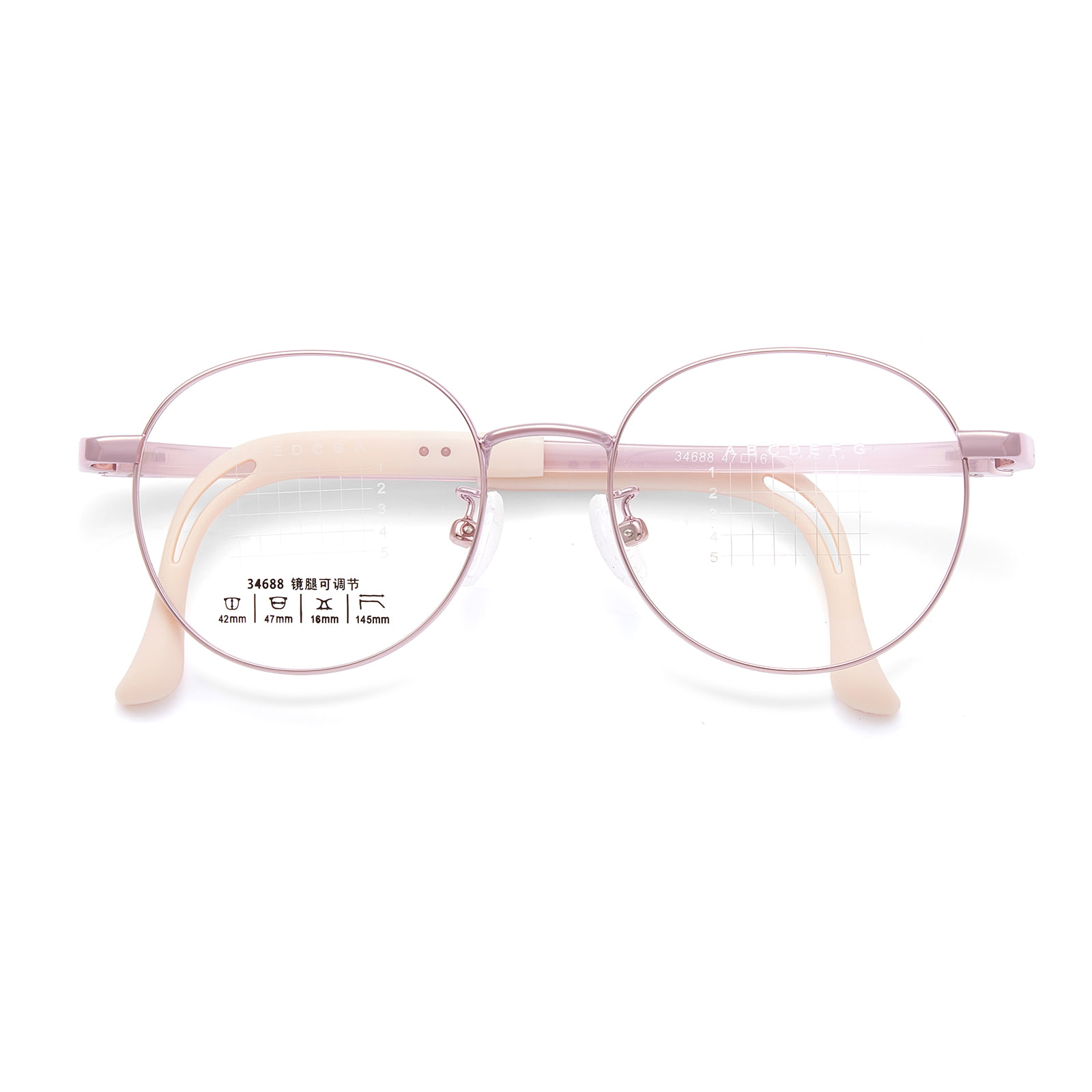
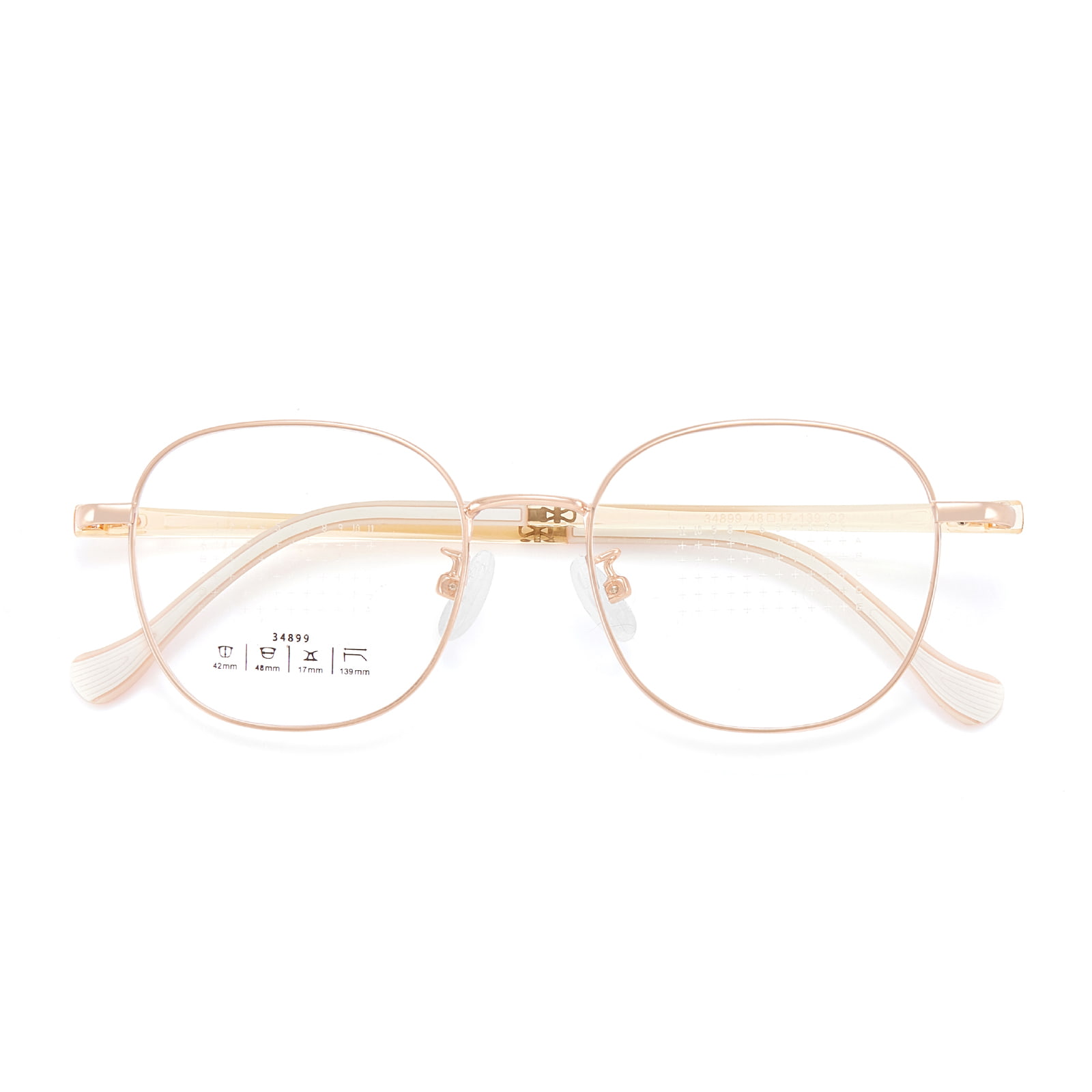
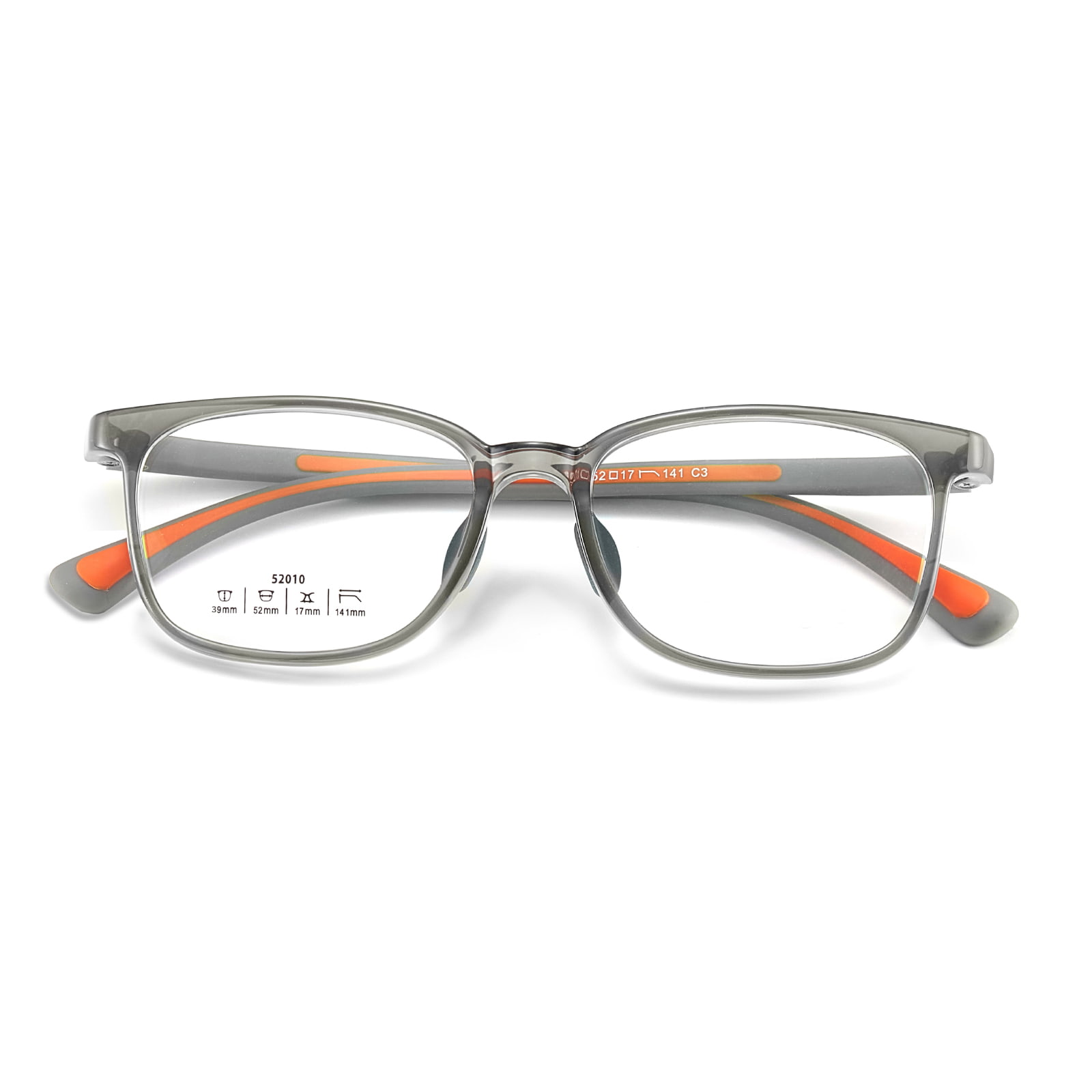
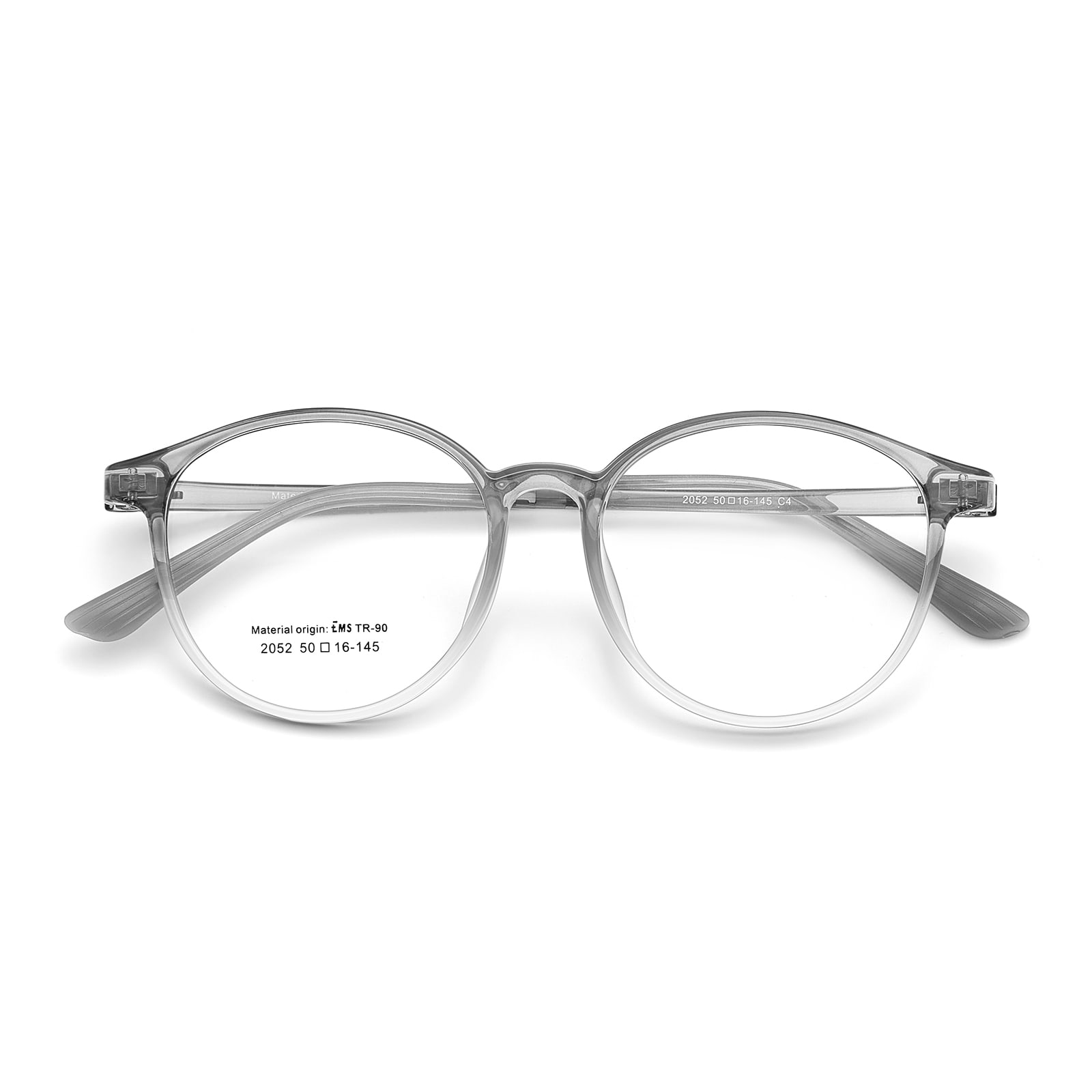
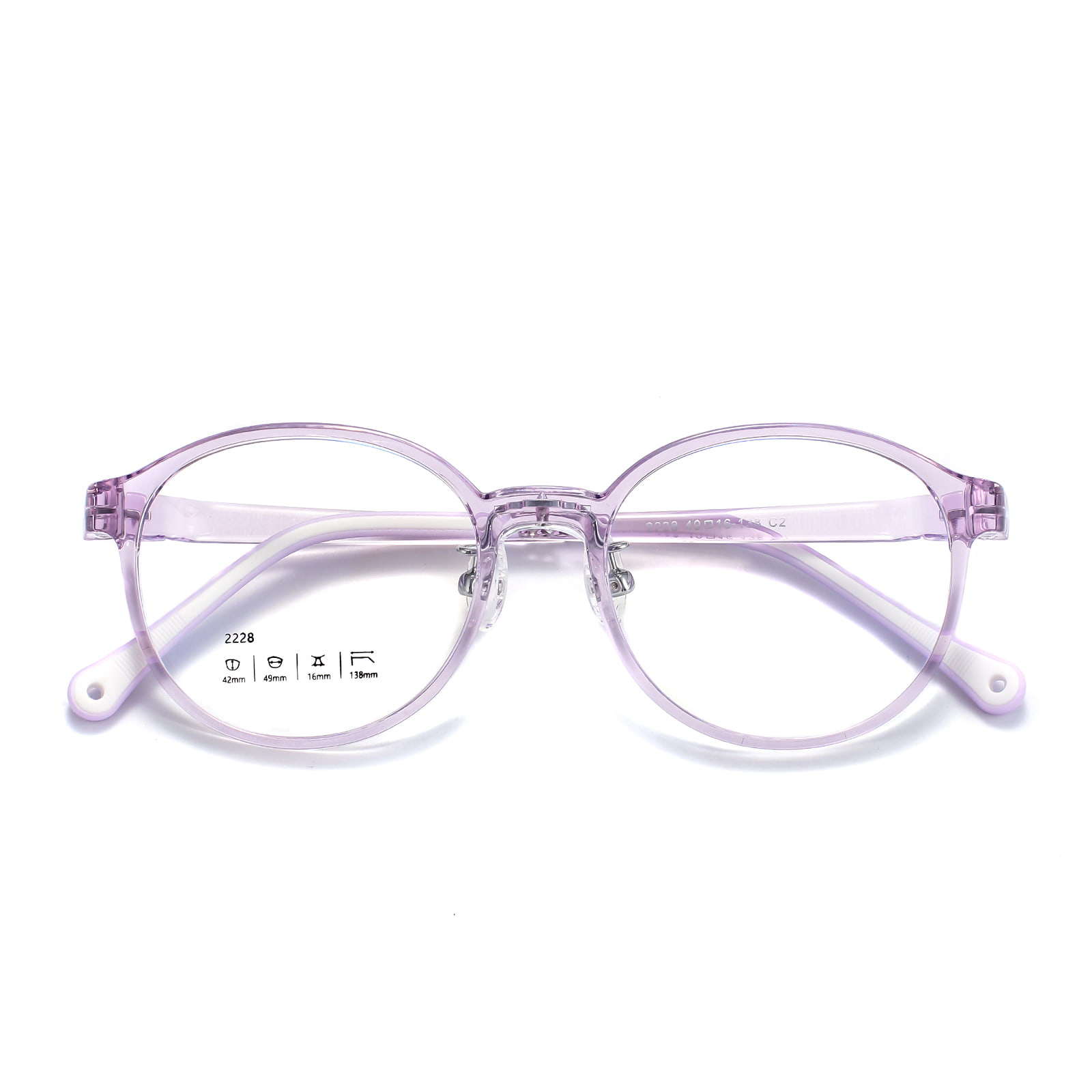
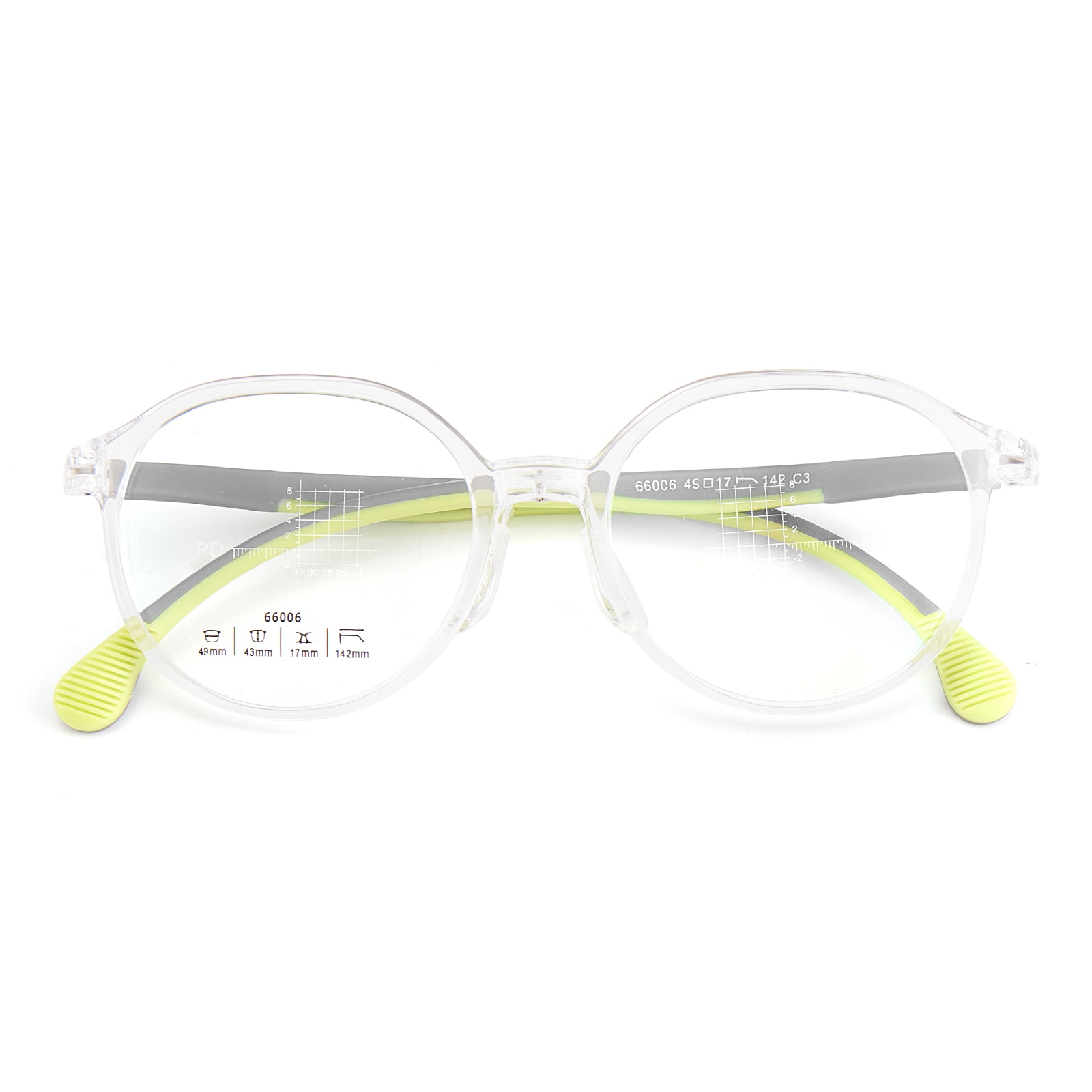
Custom Children's Optical Glasses Frame Manufacturers
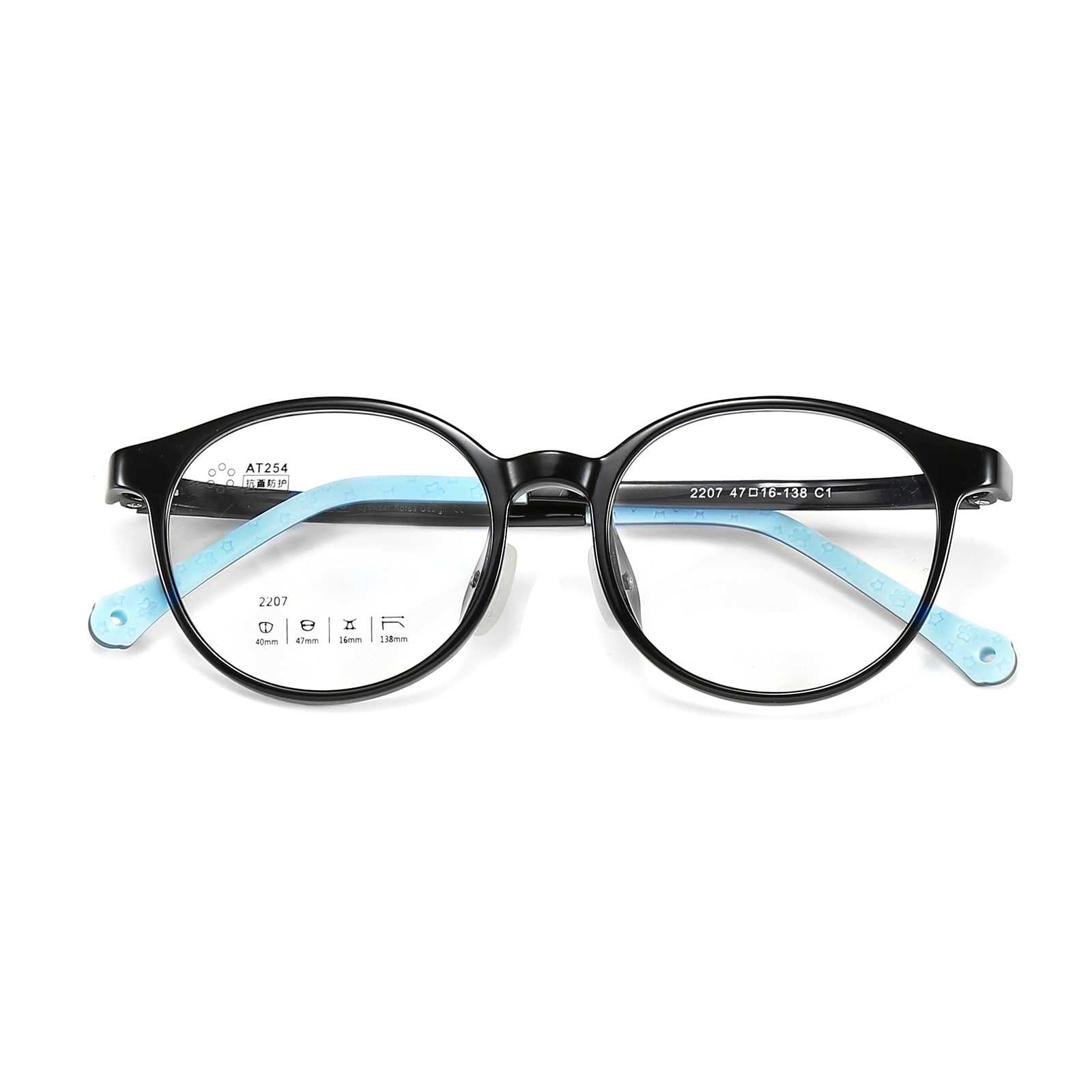
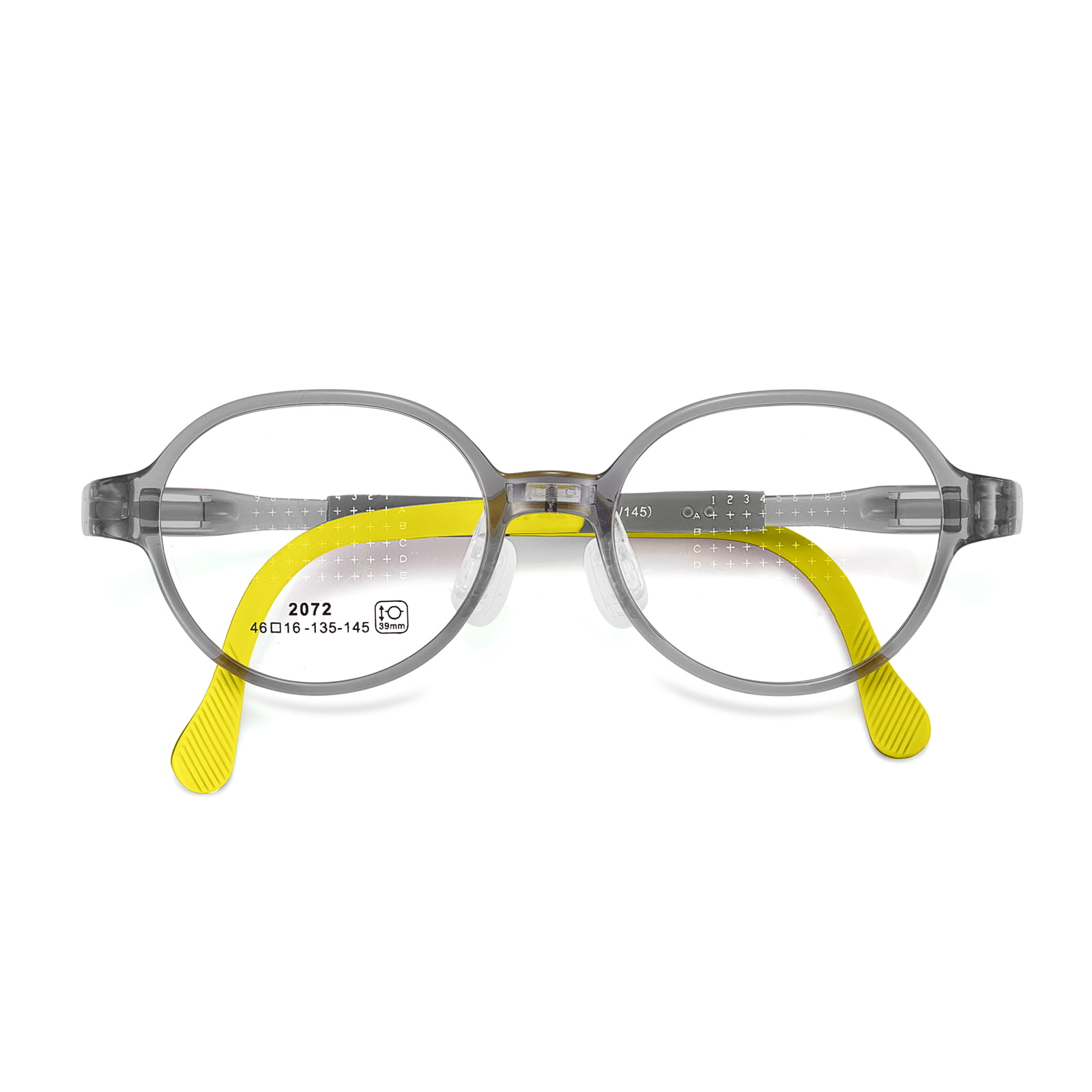
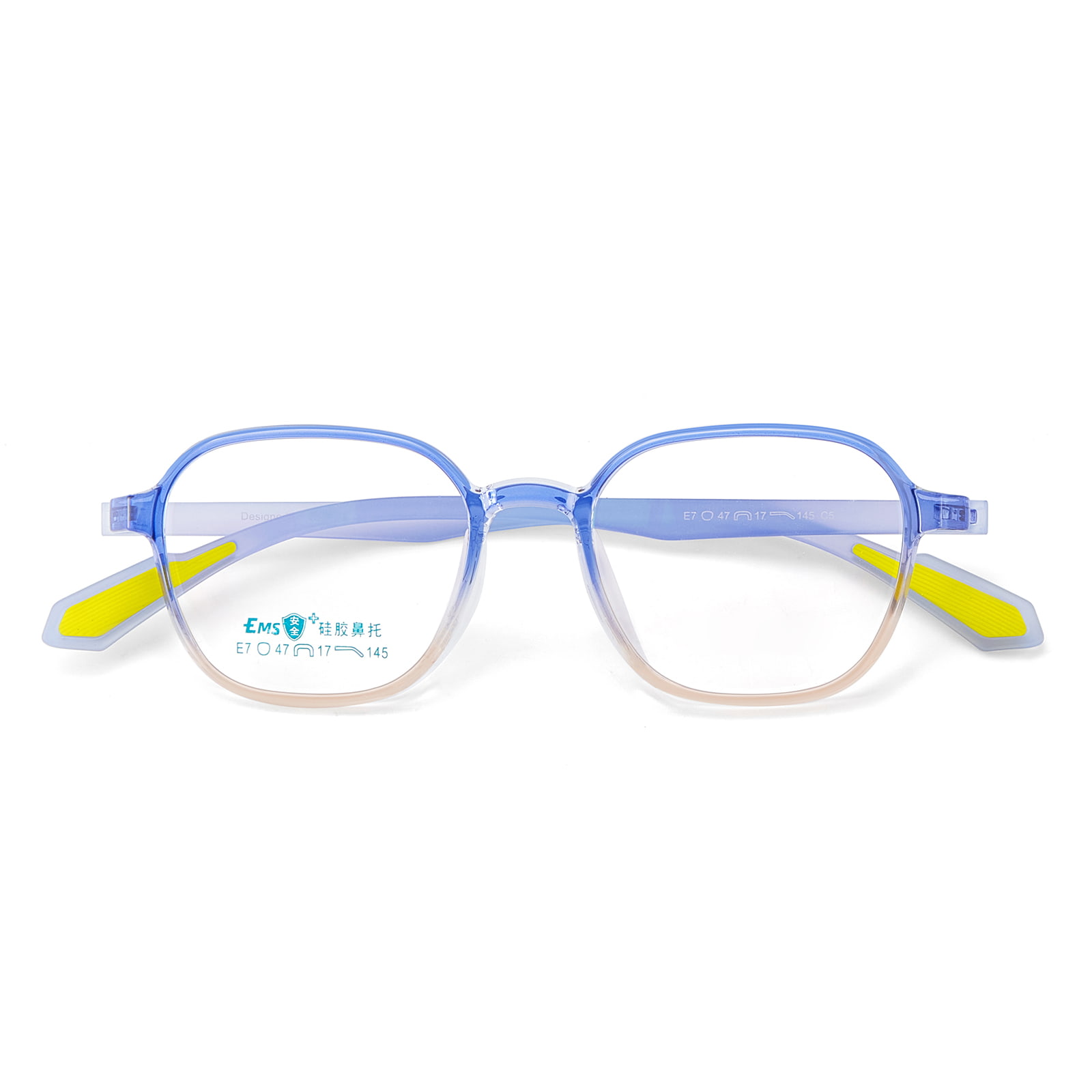
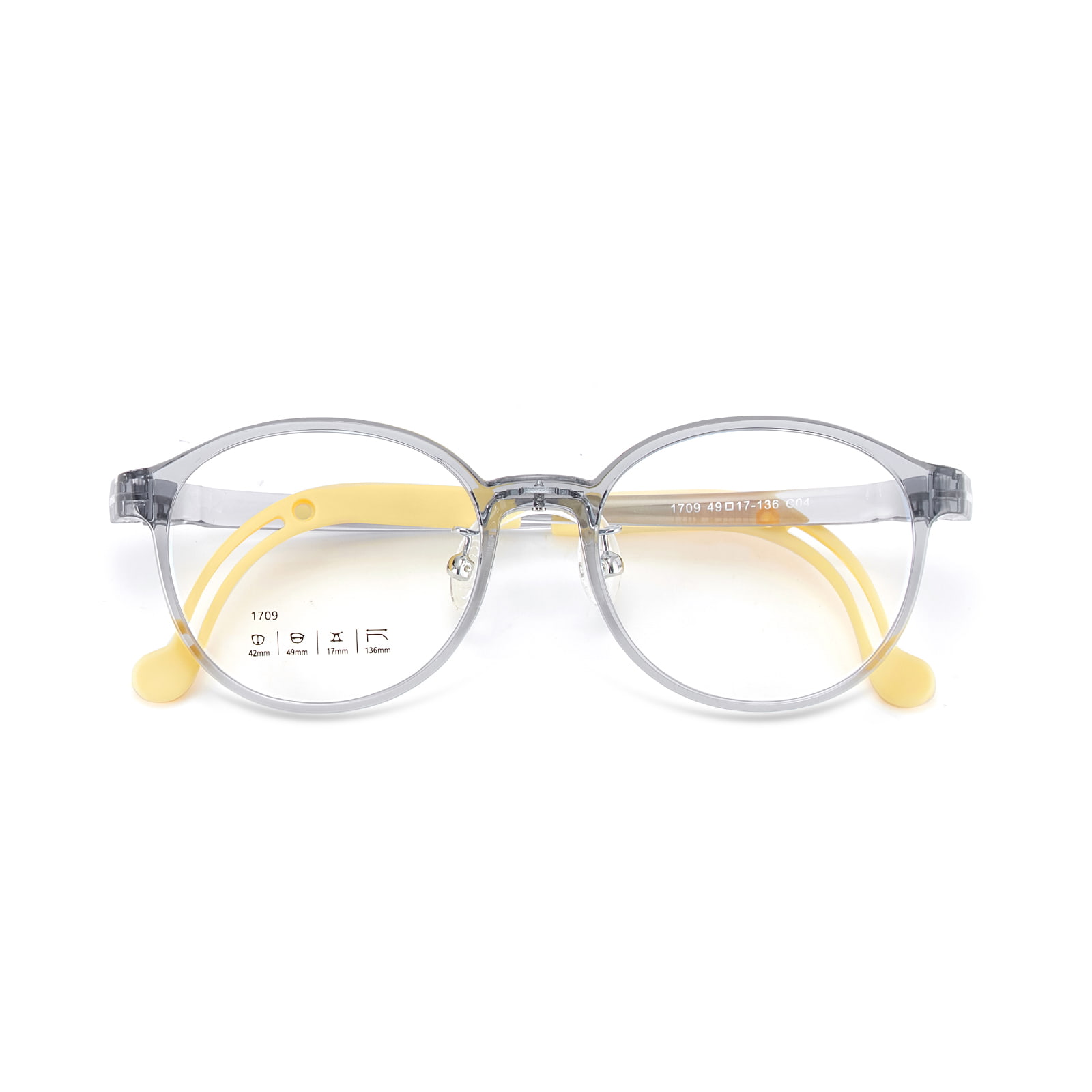
The children's series has five production lines: Alloy, TR90, ULTEM, EMS, and ARKEMA.
It offers various sizes for different age groups, from infants and toddlers to children and teenagers, covering ages 0-20.

Beyond the Glasses, Beyond the Vision
Zhenjiang Guoda Optical Technology Co., Ltd. is China Custom Kids Optical Glasses Frame Manufacturers and Children's Optical Glasses Frame Factory, established in 2012, is located in the hometown of China's eyewear - Danyang City, Zhenjiang City, Jiangsu Province, China. 2020, the company's new expansion of four modern factories, covering an area of 12,000 square metres, with more than 200 professional staff, with advanced production equipment and stringent quality control standards, to provide customers around the world with high-quality eyewear products. We offer Kids Prescription Glasses Frame for sale.
Honor
-
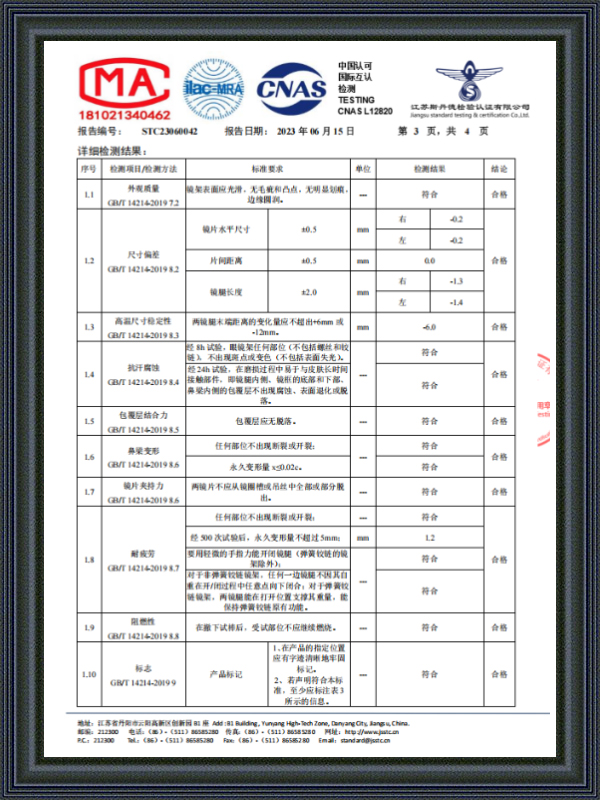 Test Report
 -
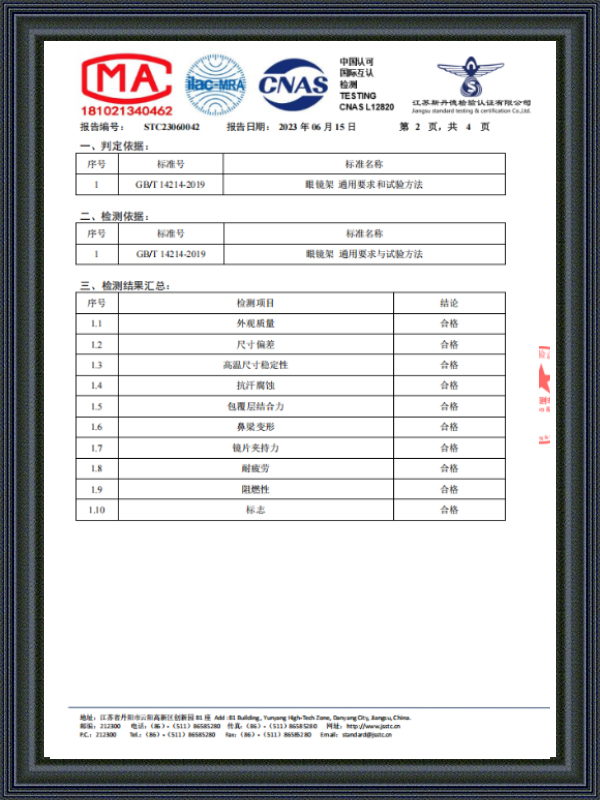 Test Report
 -
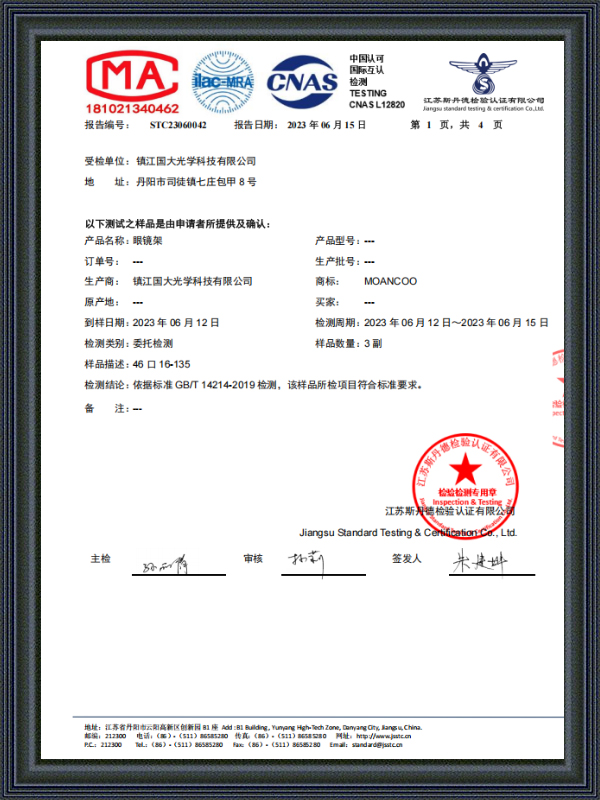 Test Report
 -
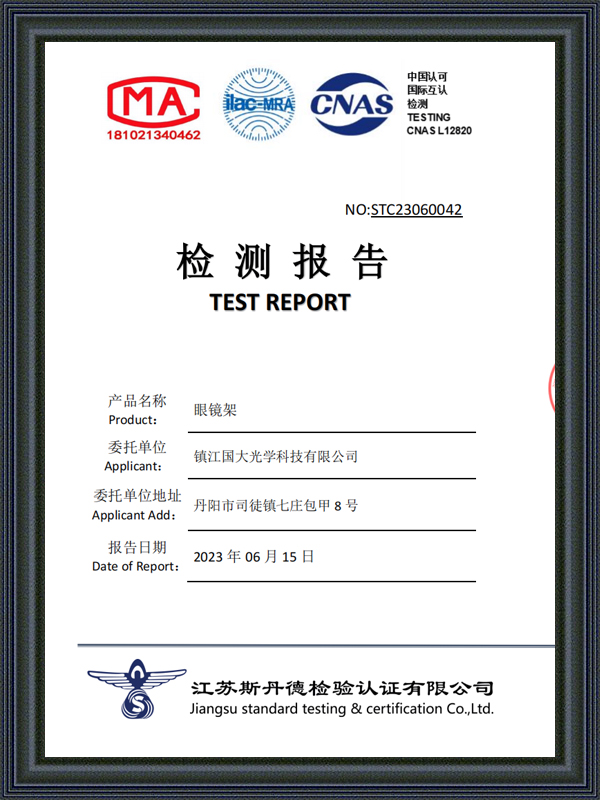 Test Report
 -
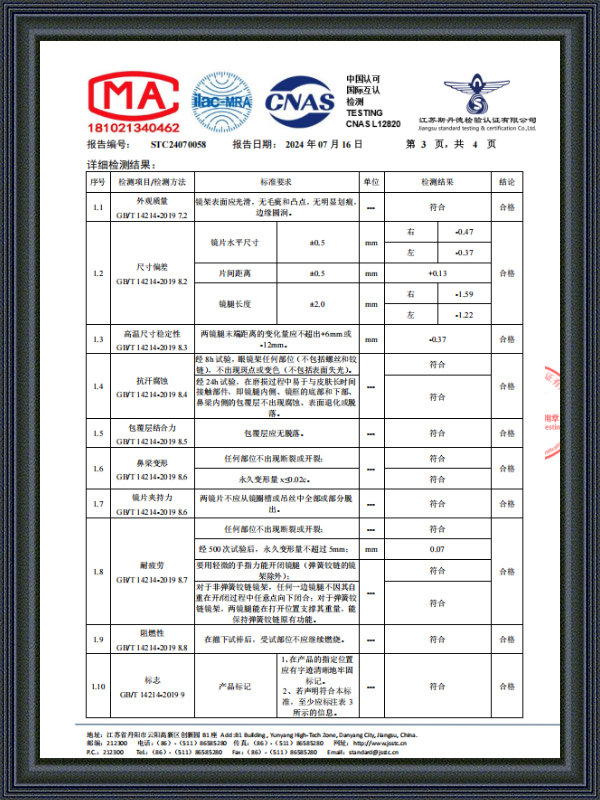 Test Report
 -
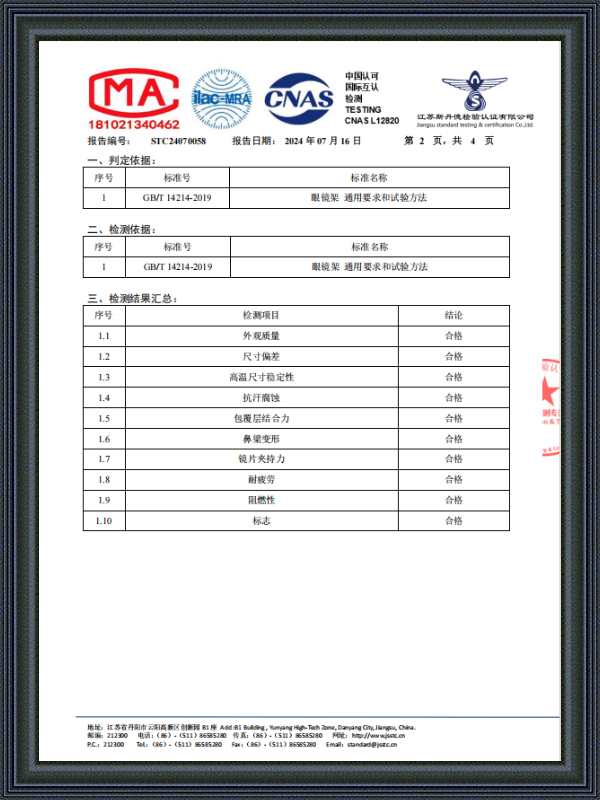 Test Report
News
-
Industry News 2026-07-01
For individuals seeking a balance of long-lasting resilience and sophisticated aesthetics, metal eyeglasses are the superior choice. Unlike acetate or other plastics, metal frames offer a higher strength-to-weight ratio, allowing for sleek, thin profiles that remain incredibly sturdy. They are the go-to option for pro...
View More -
Industry News 2026-06-22
Acetate glasses stand as the premier choice for premium eyewear due to their exceptional durability, lightweight comfort, and limitless color versatility. Unlike cheap petroleum-based plastics, acetate is a plant-based material derived from natural cotton fibers and wood pulp, making it hypoallergenic, highly adjustab...
View More -
Industry News 2026-06-15
Do Blue Light Blocking Glasses Work? Yes, blue light blocking glasses are effective for alleviating digital eye strain and preventing artificial light from disrupting your sleep cycle. While they are not a magical cure for all vision problems, they serve as a practical and proactive shield against the specific hazards...
View More
Contact us now
Children's Optical Glasses Industry Knowledge
Beyond Style: How Does the Right Kids Prescription Glasses Frame Scientifically Support Vision Development?
Introduction: Why a Child's Frame is Not Just a Smaller Adult Frame
Myopia rates in children are rising at an alarming rate globally. For many parents, the initial focus upon learning their child needs vision correction is, understandably, on the power of the lenses. However, optical science is a field of precision, and the vehicle that holds those lenses—the Kids Prescription Glasses Frame—plays a critical role in the success of that correction, one that extends far beyond aesthetics.
Selecting a Children's Optical Glasses Frame is fundamentally different from choosing one for an adult. A child’s anatomy, lifestyle, and developmental needs demand a high degree of specificity in frame design, material, and manufacturing. An improper frame will not only be uncomfortable; it can actively sabotage the visual correction, leading to poor compliance, eyestrain, and potentially even worsening the vision issue. This article explores the science behind a proper Kids Optical Glasses Frame and how it functions as a critical ally in your child's visual health journey.
The Science of the Optical Core: Why "Fit" is Key to Correction
The entire function of eyeglasses is to refocus light precisely onto the retina using a specific lens (convex or concave). For this to happen, the lens must be positioned in front of the child's eye in a very specific way.
The Crucial Alignment of Pupillary Distance (PD) and Optical Center (OC)
Every prescription lens has an "Optical Center" (OC), the single point on the lens that offers the truest vision without prismatic effect. For optimal vision, this OC must be perfectly aligned with the center of the wearer's pupil. This measurement is known as the Pupillary Distance (PD).
- The Consequence of Misalignment: When a Children's Optical Glasses Frame is too wide, too narrow, or slips down the nose, the child's pupil is no longer looking through the Optical Center. This induces a "prismatic effect," forcing the eyes to work harder to fuse an image.
- The Scientific Impact: This constant effort can lead to significant eyestrain, headaches, double vision, and can even exacerbate conditions like strabismus (eye misalignment). The child may "self-correct" by looking over or under the lenses, defeating the purpose of wearing glasses entirely.
Unique Facial Anatomy in Children
A child's facial structure is distinctly different from an adult's, presenting unique challenges for frame design:
- The Low Nose Bridge: Most young children have not yet developed a prominent nose bridge. This means adult-style frames, which rely on a high bridge for support, will constantly slide down. A Kids Optical Glasses Frame must have specialized designs, such as a "saddle" bridge or silicone unifit bridges with a large contact area, to distribute weight evenly and prevent slippage.
- Head Width and Ear Placement: A child's head is wider relative to their features, and their ears (still developing) may be softer and positioned lower. The temples (arms of the frame) need to be the correct length and often require high adjustability or a "cable temple" (wrap-around) design to hold them securely in place without creating pressure points behind the ear.
Material Science: Balancing Safety, Durability, and Compliance
The most accurate prescription in the world is useless if the child refuses to wear the glasses because they are uncomfortable or constantly broken. The material science of a Kids Prescription Glasses Frame is where engineering meets compliance.
Durability and Flexibility: For the Active Child
Children run, fall, play sports, and (often) treat their glasses roughly. The frame material must be able to withstand this impact.
- TR-90 and Silicone: These are the premier materials for a modern Kids Optical Glasses Frame. TR-90 is a thermoplastic polymer known for its incredible flexibility, durability, and light weight. It can be bent and twisted without breaking, making it ideal for active children. Silicone frames, often used for infants and toddlers, are extremely soft, pliable, and virtually indestructible.
- Flexible Hinges: Look for frames with spring hinges or 180-degree flexible hinges. These designs allow the temples to flex outwards without snapping the hinge, a common point of failure when a child puts on or takes off their own glasses (often with one hand).
Safety and Hypoallergenic Needs: Protecting Sensitive Skin
A child's skin is more sensitive than an adult's. Frame materials must be medical-grade to prevent allergic reactions.
- Avoid Nickel Alloys: Many cheap, metal frames contain nickel, a common allergen that can cause contact dermatitis (an itchy rash).
- The Safe Alternatives: Insist on high-quality, hypoallergenic materials like TR-90, medical-grade silicone, cellulose acetate (a plant-based plastic), or titanium (if a metal frame is desired). These materials are inert and will not cause skin irritation, ensuring the child can wear them comfortably all day.
The Importance of Weight
A heavy Children's Optical Glasses Frame creates uncomfortable pressure points on the nose bridge and ears. This constant "presence" is irritating to a child and a primary driver of non-compliance. Lightweight materials (like TR-90 or titanium) are essential for maximizing comfort and ensuring all-day wear.
The Manufacturing Backbone: How Precision Crafting Ensures Child Safety
Selecting the right materials and design is only half the equation. Turning those raw materials into a safe, effective Kids Prescription Glasses Frame requires precision manufacturing and stringent quality control.
A poorly manufactured frame can have sharp edges, weak solder points, or use toxic paints. For a children's product, these are unacceptable risks. The frame must be smooth, durable, and all components must be securely fixed.
This attention to detail is a hallmark of dedicated manufacturing hubs. For example, in China's renowned "hometown of eyeglasses," Danyang City (located in Zhenjiang City, Jiangsu Province), facilities have evolved to meet these specific pediatric demands. Companies in this region, such as Zhenjiang Guoda Optical Technology Co., Ltd., which was established in 2012, exemplify this shift. As the global demand for high-quality children's eyewear grew, such companies responded.
To meet increasingly stringent international standards, Zhenjiang Guoda Optical Technology Co., Ltd. expanded significantly in 2020, adding four modernized factories. This 12,000-square-meter expansion wasn't just about size; it was about integrating advanced production equipment and housing the over 200 professional staff needed to maintain strict quality control. It is this level of stringent quality control and advanced production capability that ensures every Kids Optical Glasses Frame provided to customers worldwide is safe, durable, and precise, ultimately supporting the child's vision health.
Conclusion: The Frame as a Critical Medical Device
The selection of a Children's Optical Glasses Frame should never be an afterthought or a purely stylistic choice. It is a scientific decision that directly impacts the success of a child's vision correction therapy.
The right fit ensures optical alignment, preventing eyestrain and non-compliance. The right materials, like TR-90 or silicone, provide the durability and safety necessary to survive an active childhood. Finally, superior manufacturing ensures that product is safe and comfortable on the child's face. When all these elements—precision fit, advanced material science, and quality manufacturing—come together, the Kids Prescription Glasses Frame is transformed from a simple accessory into a powerful medical device that actively supports a child's ability to see the world clearly and comfortably, setting the foundation for their future visual health.
Products

- Contact us
-
-
 +86-13706101351 +86-15262961108
 -

-
 Changwan West Road, Danyang Economic and Technological Development Zone, Danyang City, Zhenjiang City, Jiangsu Province, China.
- Product Categories
- Adult Optical Glasses
- Children's Optical Glasses
- Sunglasses
- Follow us
-


-
 +86-13706101351
 -

- TOP