English
  عربى
عربى 
Previous Post
Do Blue Light Blocking Glasses Work?
Yes, blue light blocking glasses are effective for alleviating digital eye strain and preventing artificial light from disrupting your sleep cycle. While they are not a magical cure for all vision problems, they serve as a practical and proactive shield against the specific hazards of prolonged screen time. By filtering out the high-energy visible light emitted by digital screens and LED lighting, these glasses help maintain your natural circadian rhythm and reduce the physical discomfort associated with extended device use.
Understanding Blue Light and Its Sources
Blue light is a portion of the visible light spectrum characterized by short wavelengths and high energy. It is everywhere in our natural environment, primarily emitted by the sun, which is what makes the sky look blue. This natural exposure is essential for regulating our sleep-wake cycles, boosting alertness, and elevating mood. However, the modern digital landscape has introduced a massive amount of artificial blue light into our daily routines.
The primary artificial sources include:
- Smartphones and tablets
- Computer monitors and laptops
- Fluorescent and LED indoor lighting
- Flat-screen televisions
While the intensity of blue light from screens is considerably less than that from the sun, the issue lies in the proximity and duration of exposure. People spend hours staring at screens just inches from their faces, leading to a cumulative effect that the human eye is not naturally designed to handle.
The Impact of Blue Light on Eye Health
The eye is not highly effective at blocking blue light. Virtually all visible blue light passes through the cornea and lens, reaching the retina. Over time, excessive and unfiltered exposure can lead to several adverse effects on your ocular health and overall well-being.
Digital Eye Strain
Staring at digital screens forces the eyes to work harder. Blue light scatters more easily than other visible light because of its short wavelengths, which reduces contrast and makes it difficult for the eye to focus. This constant effort to maintain sharp focus leads to digital eye strain. Common symptoms include dry eyes, blurred vision, headaches, and a heavy, fatigued feeling in the eyes after long periods of screen use.
Sleep Disruption and Circadian Rhythm
One of the most scientifically documented impacts of blue light is its effect on the hormone melatonin, which controls your sleep-wake cycle. Exposure to blue light in the evening tricks your brain into thinking it is still daytime, suppressing melatonin production by a significant margin. This disruption of the circadian rhythm makes it harder to fall asleep, reduces the quality of deep sleep, and leaves you feeling groggy the next morning.
Potential Retinal Damage
Laboratory studies suggest that chronic exposure to high-energy blue light could lead to oxidative stress in the retinal cells. While the long-term risk from screen-emitted blue light is still under extensive research, continuous low-level exposure is a recognized concern for maintaining retinal health over a lifetime.
How Blue Light Blocking Glasses Function
Blue light blocking glasses are equipped with specially crafted lenses that are designed to absorb or reflect specific frequencies of blue light. Depending on the lens technology, they can selectively filter out the most harmful wavelengths while allowing beneficial light to pass through. Some lenses have a subtle yellow, orange, or amber tint to counteract the blue spectrum, while clear lenses are also available that filter a smaller, yet still effective, percentage of blue light for daytime use.
The primary mechanisms include:
- Surface Reflection: Anti-reflective coatings bounce blue light away from the eye.
- Material Absorption: The lens substrate absorbs blue light before it can reach the cornea.
- Color Filtration: Tinted lenses physically block the transmission of specific short wavelengths.
Practical Benefits of Wearing Blue Light Glasses
Incorporating blue light blocking glasses into your daily routine offers a range of tangible benefits that directly address the negative impacts of modern screen usage. By reducing the amount of high-energy light entering the eye, these glasses provide immediate and noticeable relief.
| Wearing Schedule | Primary Benefit | Secondary Benefit |
|---|---|---|
| Daytime / Office Work | Reduction of eye fatigue | Improved visual contrast |
| Evening / Pre-sleep | Melatonin production preserved | Enhanced sleep quality |
| Gaming / Extended Sessions | Decreased headache frequency | Delayed onset of dry eyes |
By maintaining proper melatonin levels in the evening, users often find it easier to transition into deep, restorative sleep. Furthermore, reducing the visual noise caused by scattered blue light improves contrast and sharpness, which lessens the strain on the ciliary muscles in the eyes that are constantly working to keep images in focus.
When to Wear Blue Light Blocking Glasses
To maximize the effectiveness of blue light blocking glasses, it is crucial to wear them strategically based on your environment and screen habits. Wearing them constantly, especially outdoors during the day, is unnecessary and might interfere with the positive effects of natural sunlight.
During Extended Work Shifts
If your job requires you to sit in front of a computer for several consecutive hours, putting on clear blue light glasses during your shift can significantly reduce the cumulative fatigue on your eyes. They are particularly useful when working under harsh LED or fluorescent office lighting.
In the Evening Hours
The most critical time to wear blue light glasses is two to three hours before bedtime. Whether you are reading on a tablet, watching television, or scrolling on your phone, wearing amber or yellow-tinted lenses during this window will prevent the artificial light from suppressing your melatonin and confusing your biological clock.
While Gaming or Browsing
Recreational screen time often involves intense focus and prolonged staring, which drastically reduces your blink rate. Wearing these glasses during long gaming sessions or late-night browsing can prevent the onset of dry eyes and keep your visual focus sharp.
Choosing the Right Pair for Your Needs
Selecting the appropriate blue light blocking glasses depends heavily on your primary use case. Not all lenses are created equal, and understanding the differences will help you make a practical choice.
Clear Lenses vs. Tinted Lenses
Clear lenses are ideal for daytime use. They typically filter a moderate amount of blue light without altering your color perception, making them perfect for graphic designers, office workers, and anyone who needs accurate color representation. Tinted lenses, ranging from light yellow to deep amber, filter a much higher percentage of blue light. They are strictly recommended for evening use or for individuals highly sensitive to screen glare, as they will shift the colors you see on your screen.
Fit and Coverage
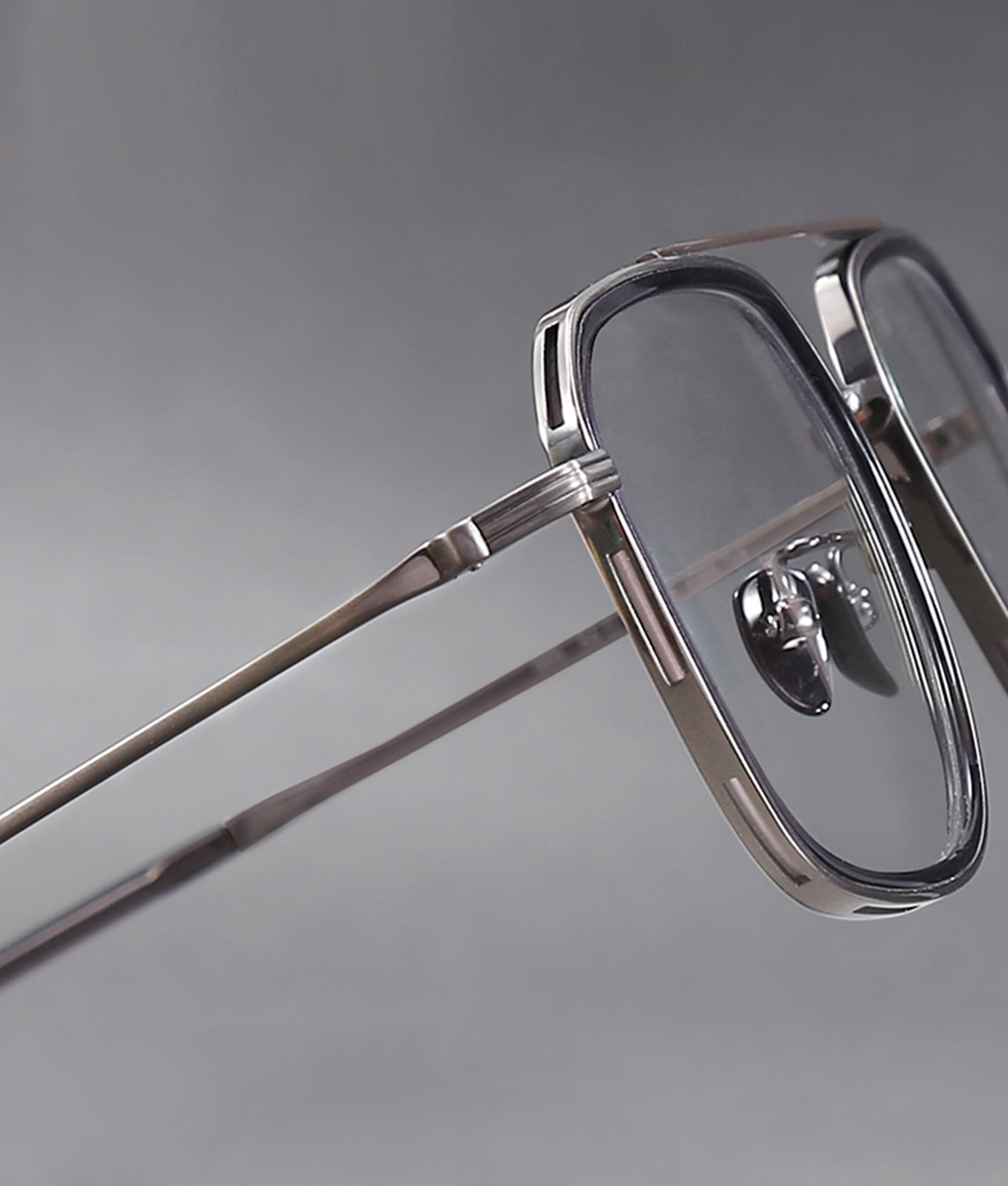
Proper fit ensures that the maximum amount of light is filtered through the lenses rather than entering your eyes from the sides. Look for frames that sit close to your face and provide wide coverage. Oversized frames or wrap-around styles are highly effective at blocking peripheral light from indoor lighting sources.
Complementary Habits for Long-Term Eye Care
While blue light blocking glasses are a powerful tool, they work best when combined with healthy visual habits. Relying solely on eyewear without adjusting your screen habits will not fully resolve digital eye strain. Implementing a few simple practices can drastically improve your overall ocular health.
- Follow the Rule of Twenty: Every twenty minutes, look away from your screen and focus on an object at least twenty feet away for twenty seconds. This allows your eye muscles to relax.
- Blink Consciously: People blink significantly less when staring at screens. Make a conscious effort to blink fully and frequently to keep the ocular surface lubricated.
- Optimize Your Workspace Lighting: Avoid working in a dark room with a bright screen. Ambient backlighting reduces the contrast between the screen and the surrounding environment, easing the strain on your eyes.
- Adjust Screen Distance: Keep your monitor about an arm's length away from your eyes, with the top of the screen at or slightly below eye level.
By integrating these habits with the consistent use of blue light blocking glasses, you can create a comprehensive defense against the negative impacts of modern digital life, ensuring your eyes remain comfortable and your sleep stays uninterrupted.