
 English
  عربى
عربى 
HIDE FILTER
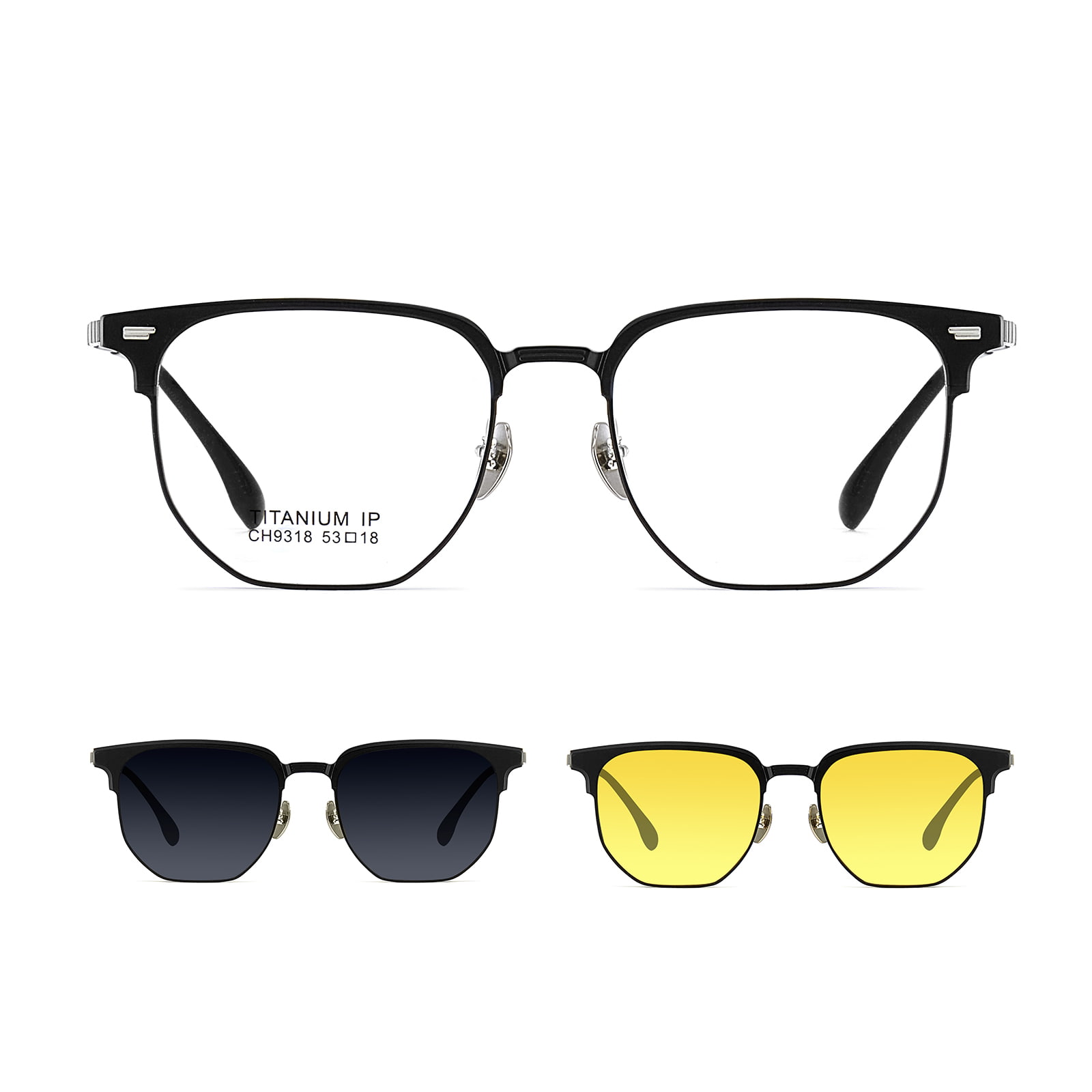
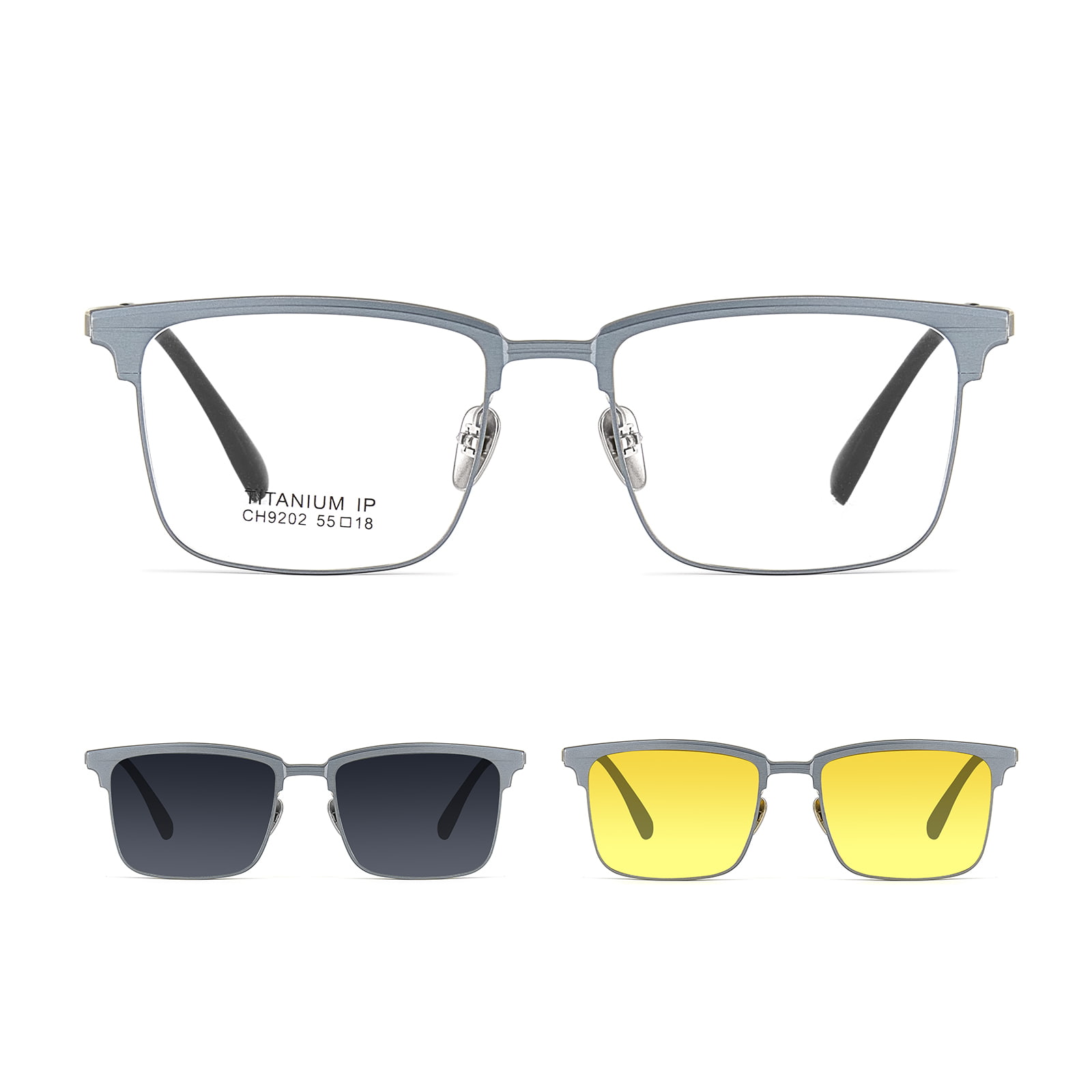
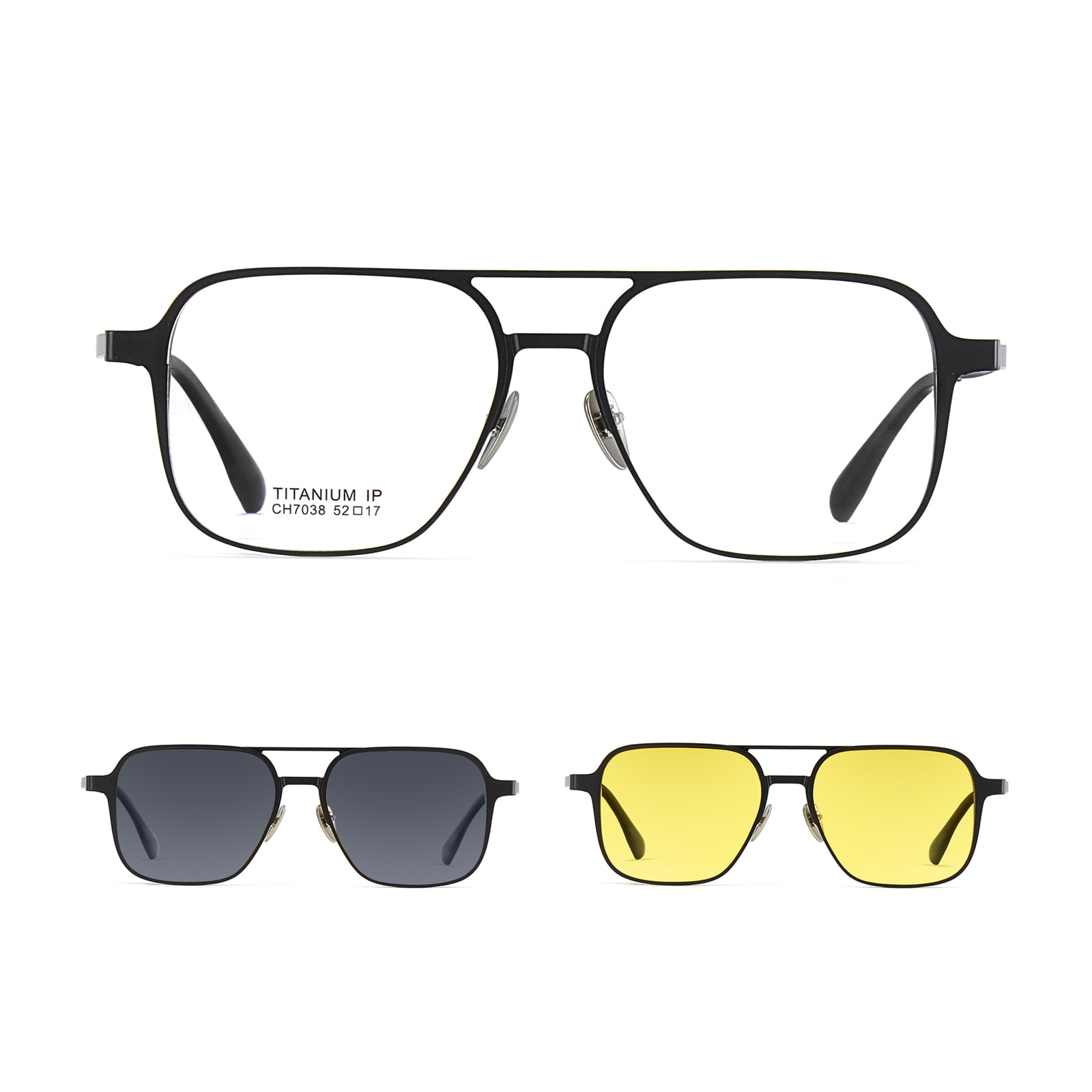
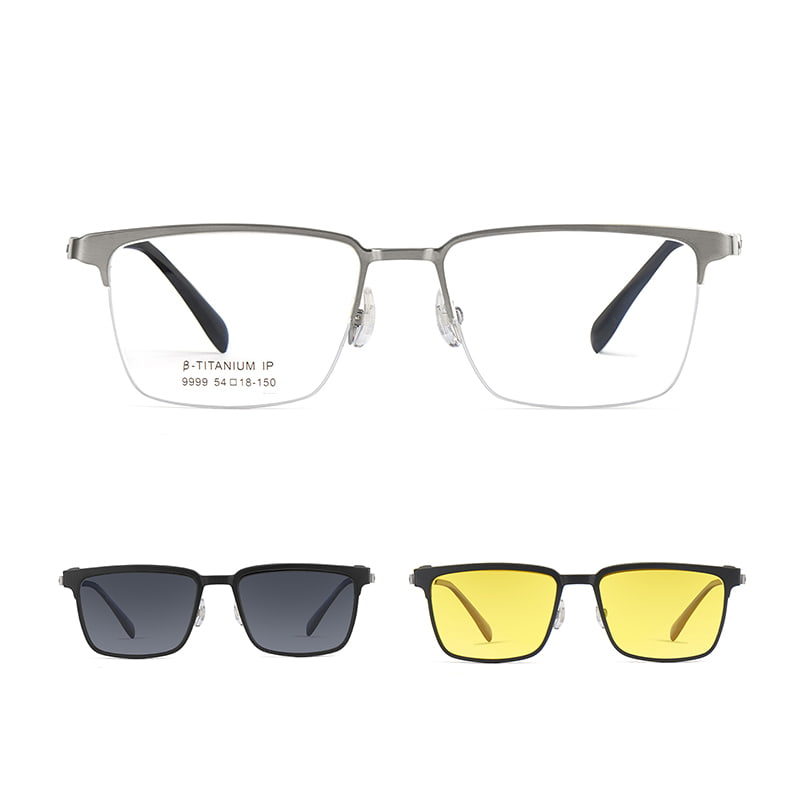

Custom Acetate Glasses Frame Manufacturers
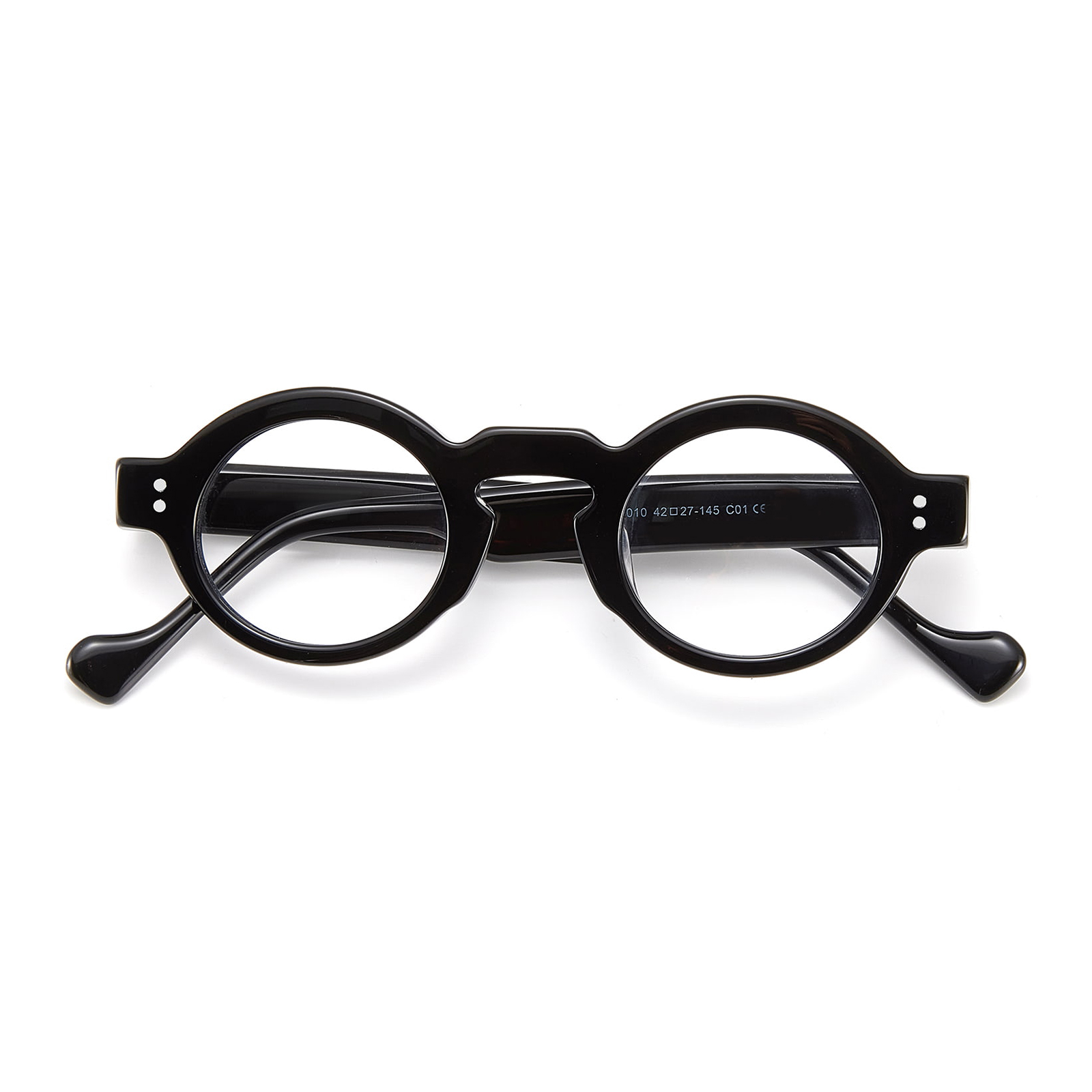
Durability and stability: The material boasts high strength, hardness, and excellent UV resistance, making it resistant to deformation and combustion. It remains color-fast and resistant to aging even with long-term wear, ensuring long-lasting durability.
Safe material and low allergenicity: Made primarily from acetate or propionate, both natural plant-based materials derived from cotton and wood pulp, it contains no metal components, making it gentle on the skin and an ideal choice for individuals with metal allergies.
Soft texture and comfortable wear: Compared to metal or ordinary plastic, the material feels smooth and delicate to the touch. It fits the face snugly, reducing pressure and enhancing comfort.
Ideal for high-prescription lenses: The sturdy structure of acetate frames provides effective support for large and thick lenses, preventing deformation from the weight of the lenses. This makes it an excellent choice for individuals with high myopia or hyperopia.

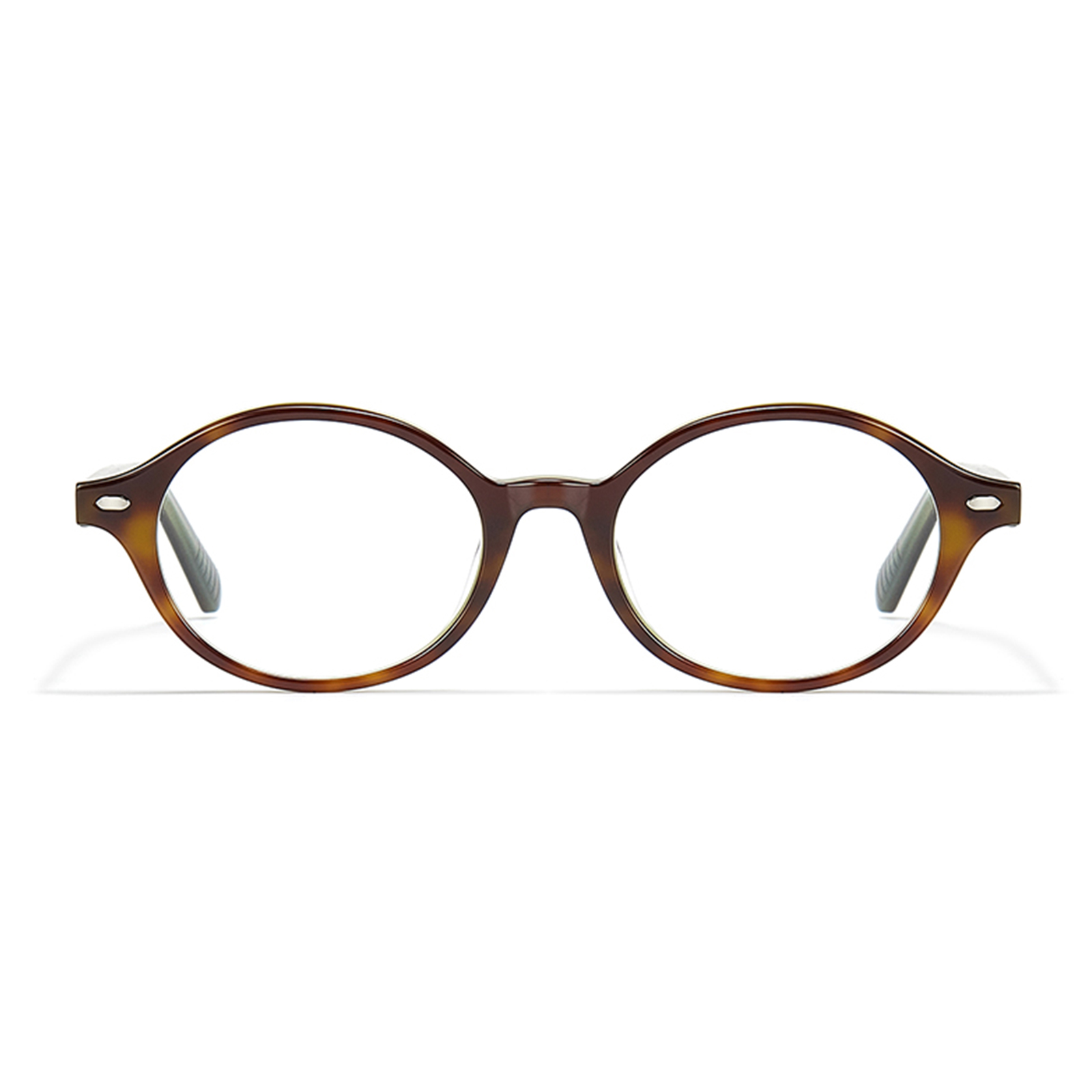
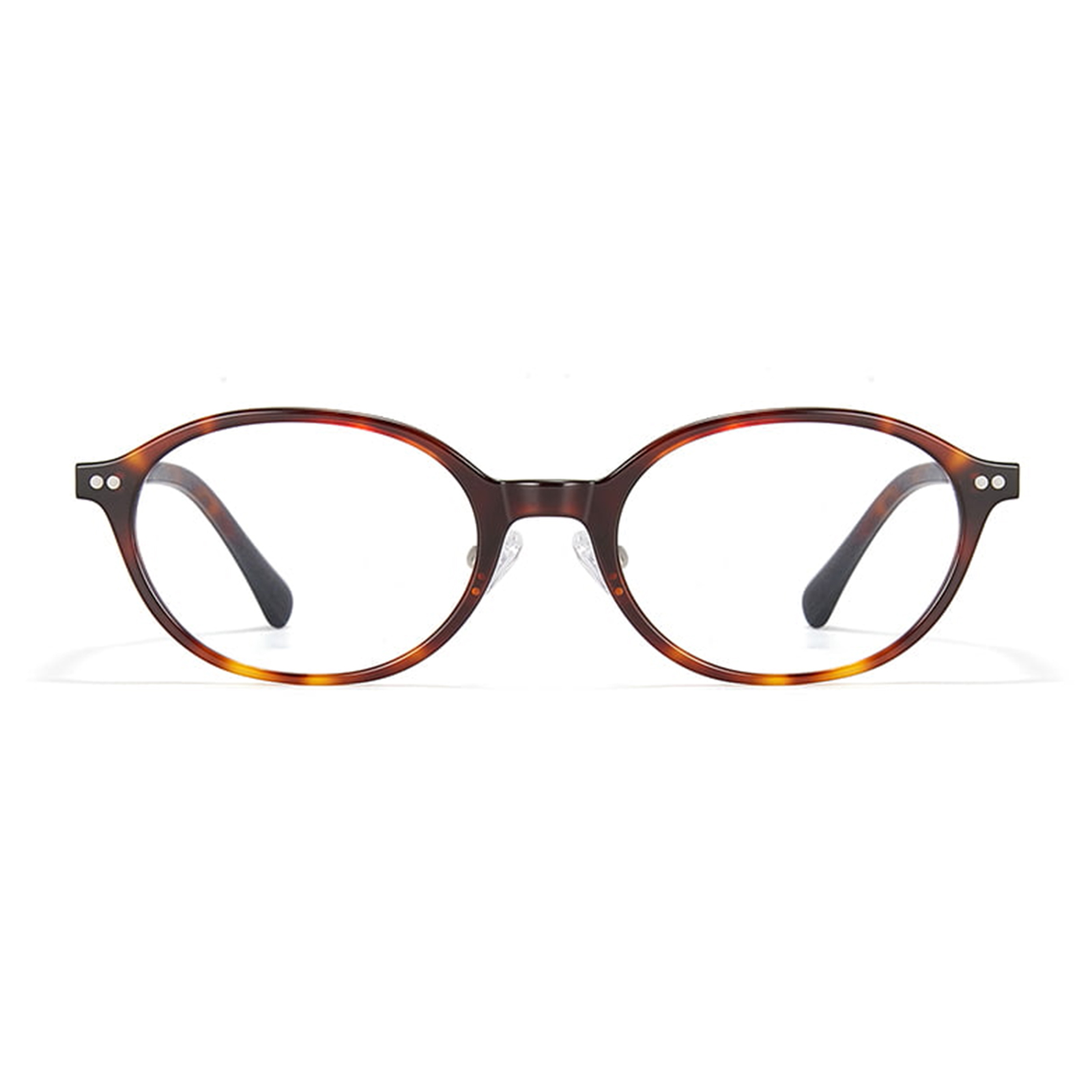
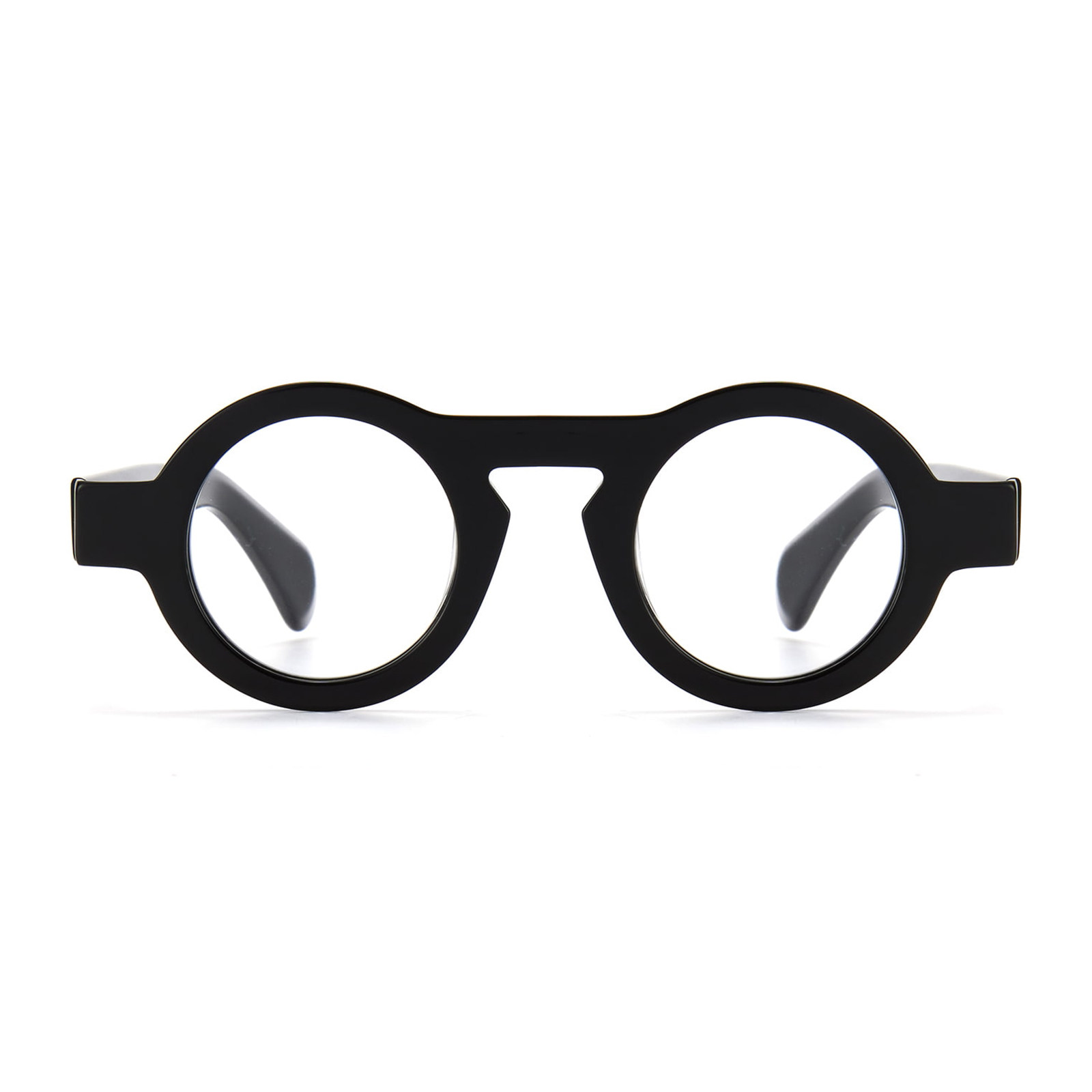
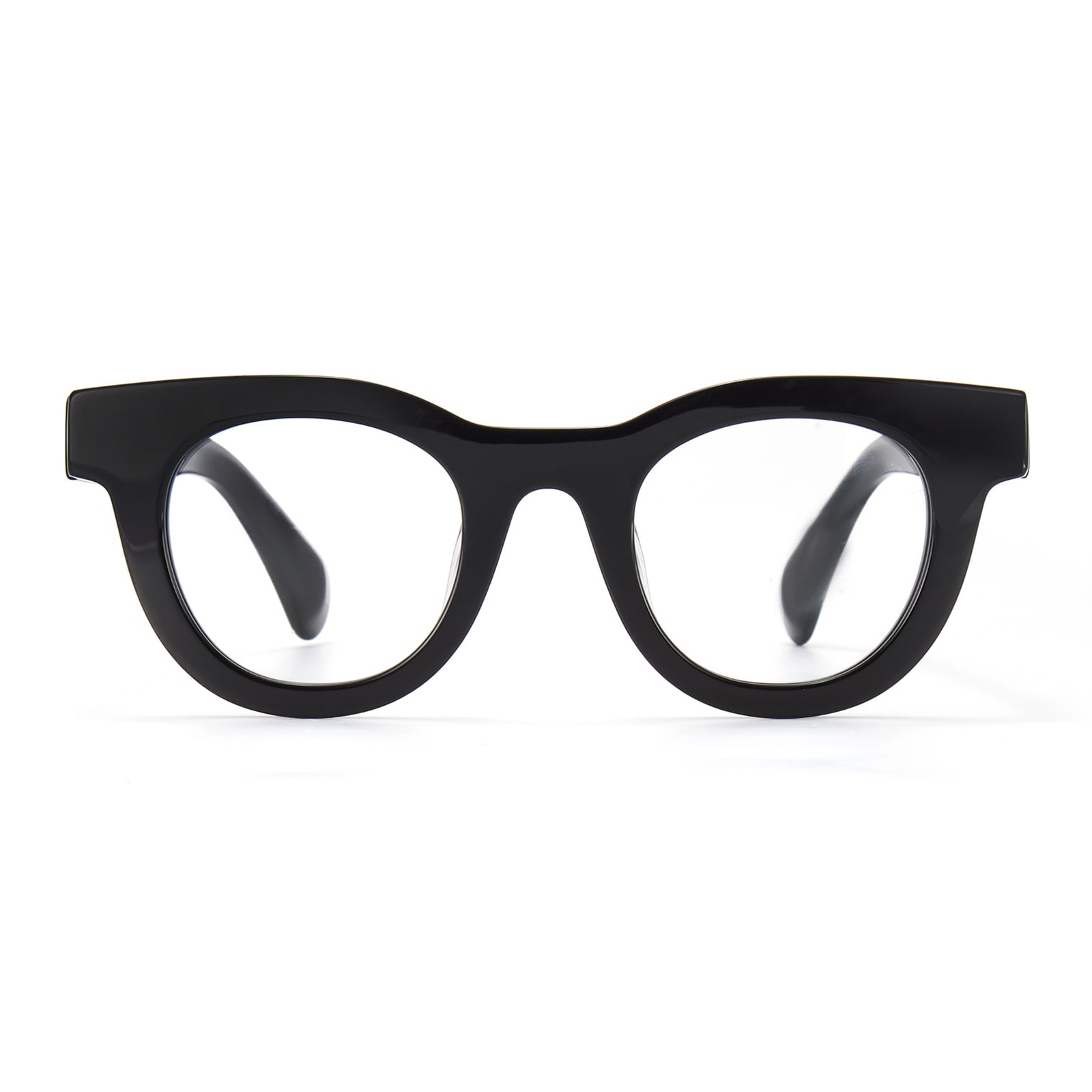
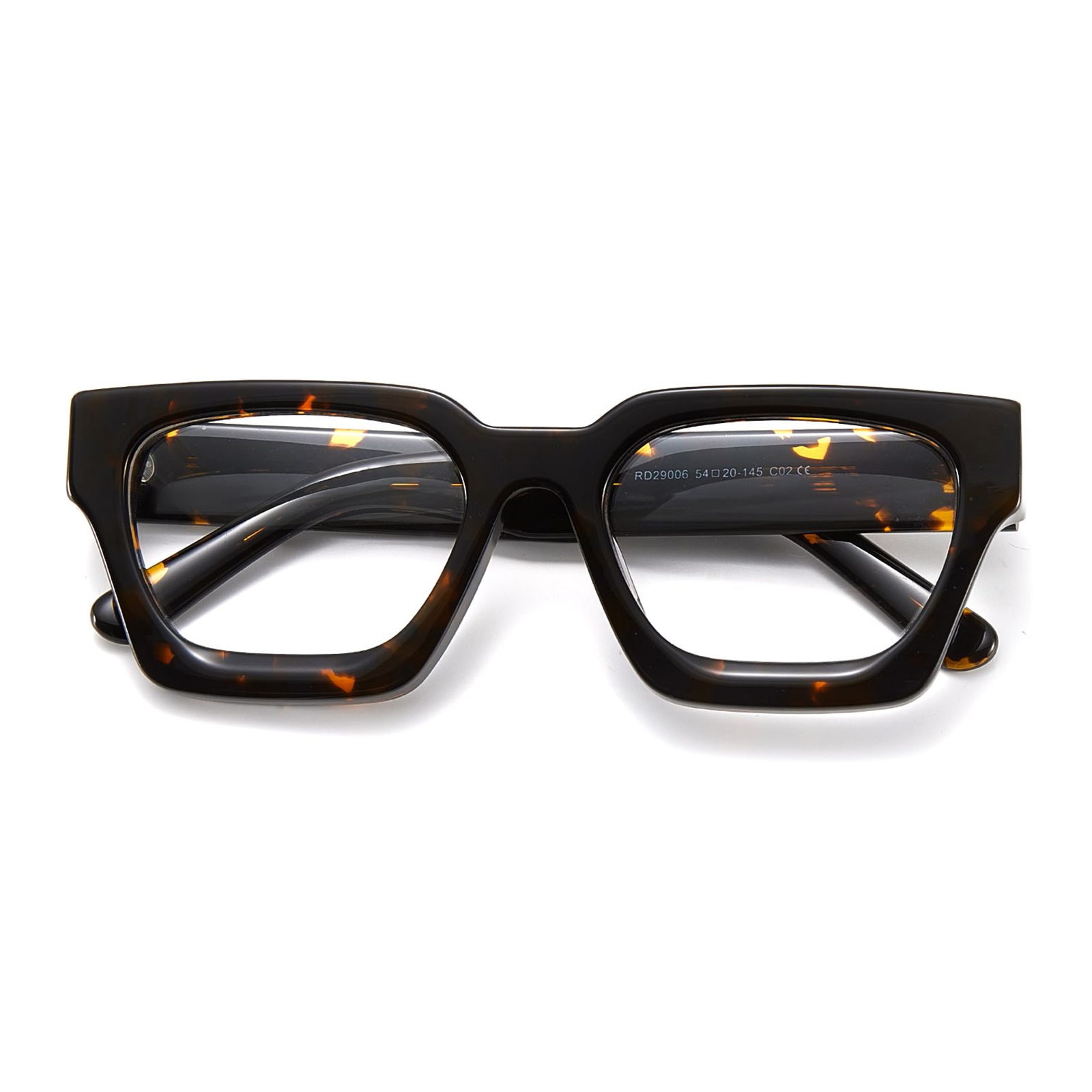
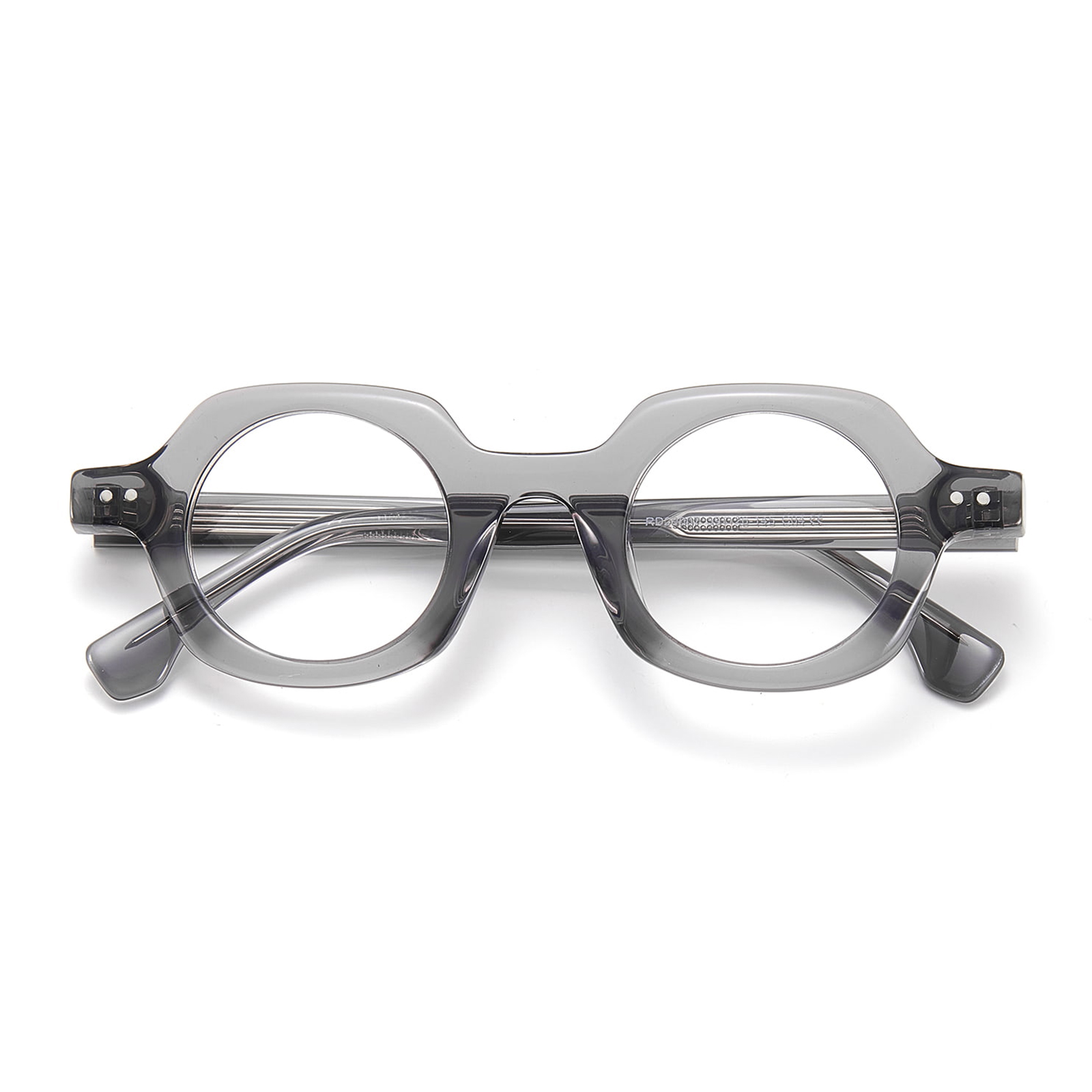
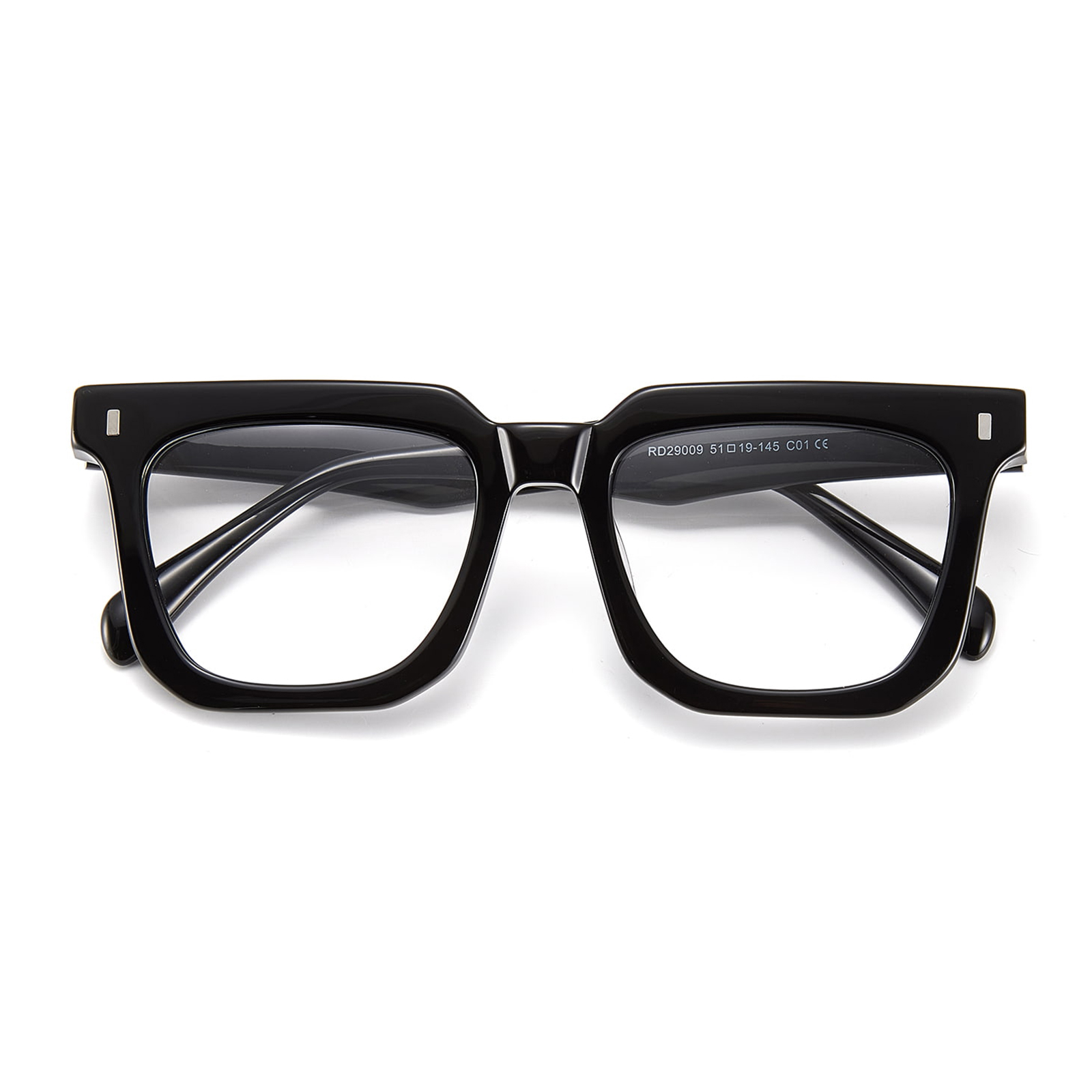
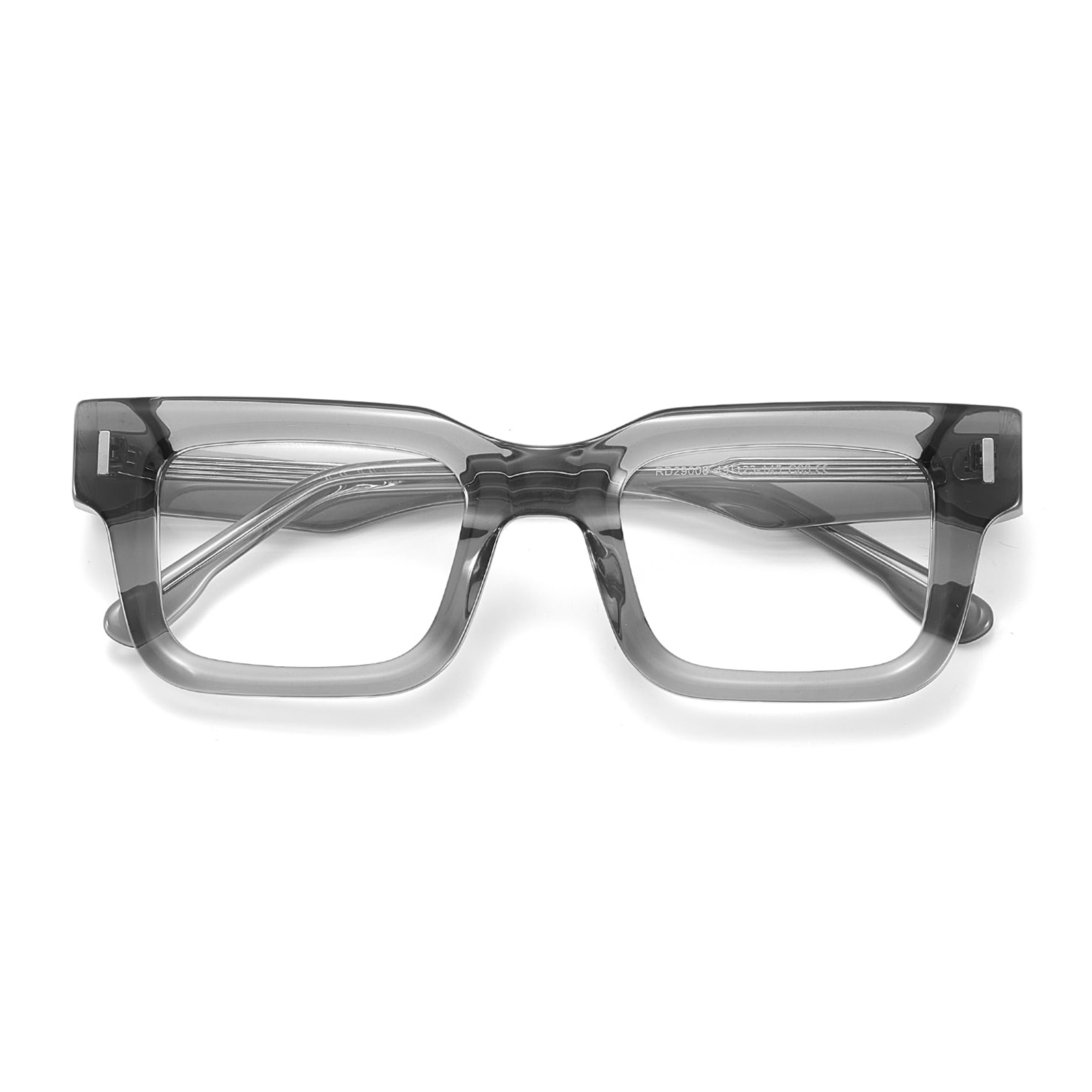

Beyond the Glasses, Beyond the Vision
Zhenjiang Guoda Optical Technology Co., Ltd. is China Custom Acetate Eyeglass Frames Manufacturers and Acetate Glasses Frames Factory, established in 2012, is located in the hometown of China's eyewear - Danyang City, Zhenjiang City, Jiangsu Province, China. 2020, the company's new expansion of four modern factories, covering an area of 12,000 square metres, with more than 200 professional staff, with advanced production equipment and stringent quality control standards, to provide customers around the world with high-quality eyewear products. We offer Acetate Optical Frames for sale.
Honor
-
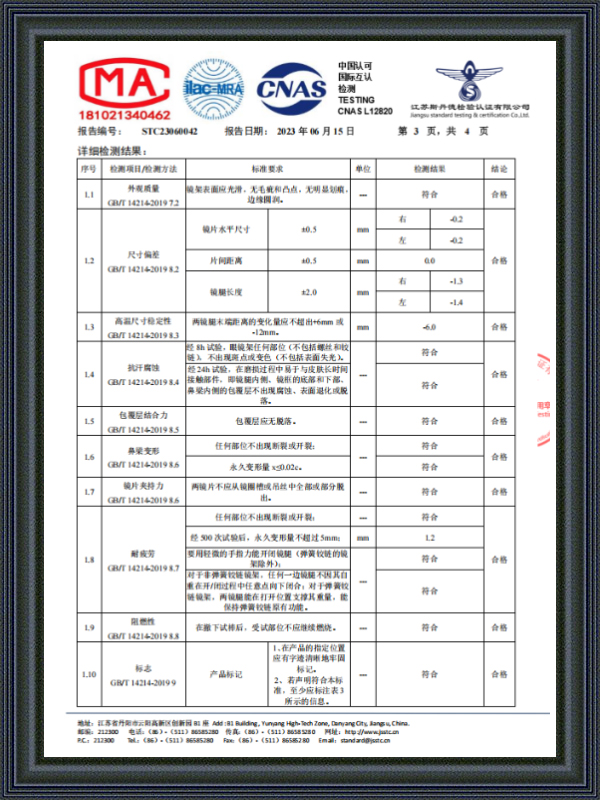 Test Report
 -
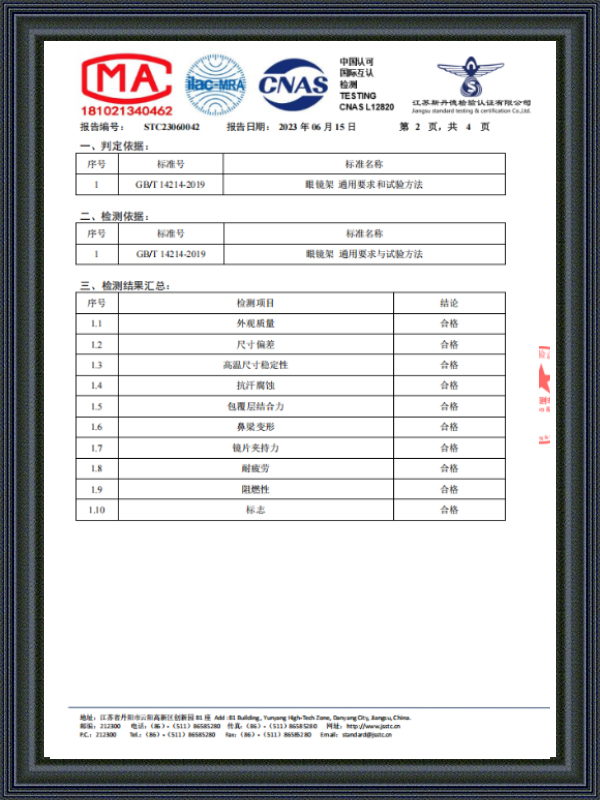 Test Report
 -
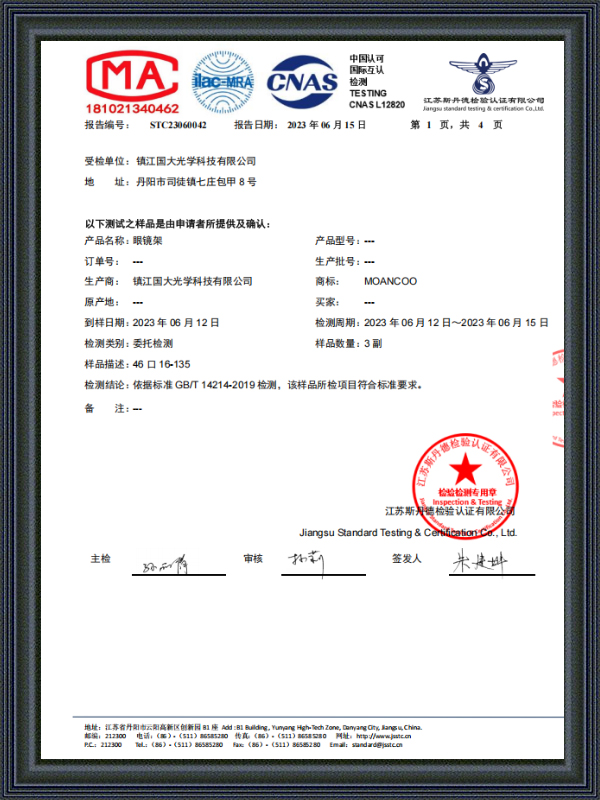 Test Report
 -
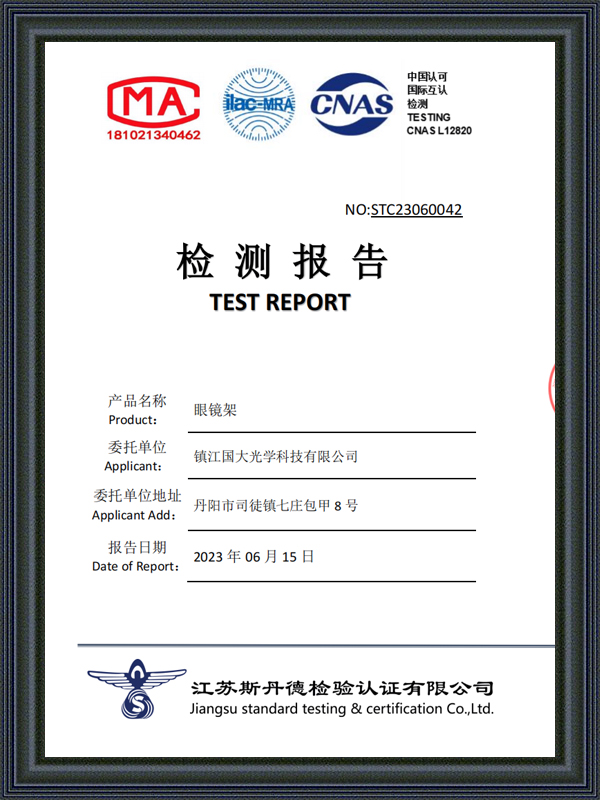 Test Report
 -
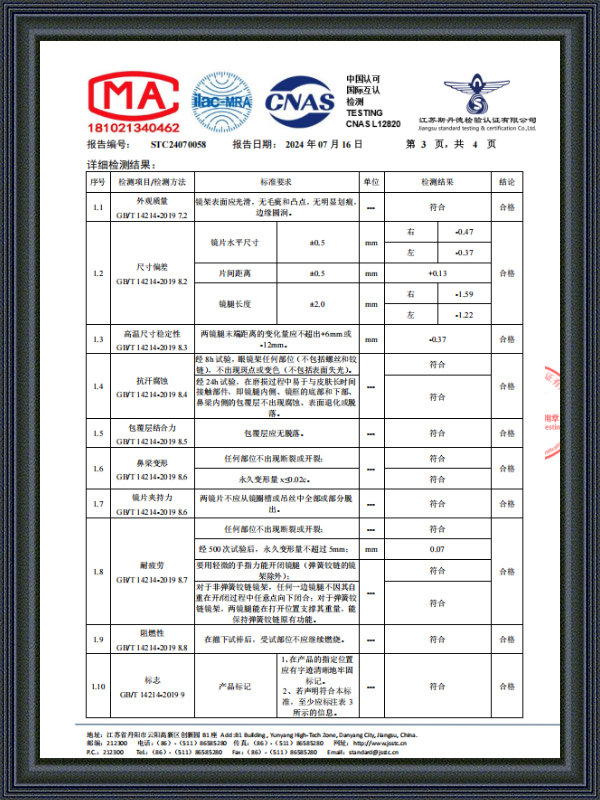 Test Report
 -
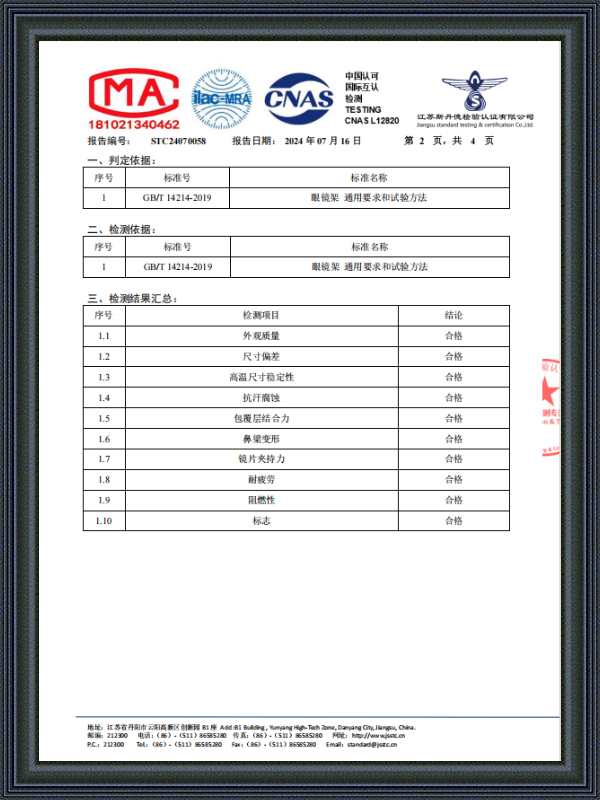 Test Report
News
-
Industry News 2026-07-01
For individuals seeking a balance of long-lasting resilience and sophisticated aesthetics, metal eyeglasses are the superior choice. Unlike acetate or other plastics, metal frames offer a higher strength-to-weight ratio, allowing for sleek, thin profiles that remain incredibly sturdy. They are the go-to option for pro...
View More -
Industry News 2026-06-22
Acetate glasses stand as the premier choice for premium eyewear due to their exceptional durability, lightweight comfort, and limitless color versatility. Unlike cheap petroleum-based plastics, acetate is a plant-based material derived from natural cotton fibers and wood pulp, making it hypoallergenic, highly adjustab...
View More -
Industry News 2026-06-15
Do Blue Light Blocking Glasses Work? Yes, blue light blocking glasses are effective for alleviating digital eye strain and preventing artificial light from disrupting your sleep cycle. While they are not a magical cure for all vision problems, they serve as a practical and proactive shield against the specific hazards...
View More
Contact us now
Acetate Glasses Industry Knowledge
What Makes Acetate Eyeglass Frames a Top Choice for Optical Wear?
1. What Are Acetate Eyeglass Frames, and How Are They Made?
Acetate eyeglass frames, also known as acetate glasses frames or acetate optical frames, are a popular type of eyewear frame made from cellulose acetate, a plant-based plastic derived from wood pulp and cotton fibers. Unlike traditional plastic frames made from petroleum-based materials, cellulose acetate is celebrated for its versatility, durability, and eco-friendly properties. This material has been a staple in the eyewear industry for decades, valued for its ability to be crafted into diverse designs while maintaining comfort and strength.
The production process of acetate eyeglass frames involves several intricate steps. First, cellulose acetate is mixed with pigments, plasticizers, and other additives to create a homogeneous material with the desired color and texture. This mixture is then formed into large sheets, which can be transparent, solid, marbled, or patterned—offering endless design possibilities. Next, skilled craftsmen or precision machinery cut these sheets into rough frame shapes, which are then refined through processes like buffing, polishing, and drilling to create the final structure of the acetate optical frames. The flexibility of acetate allows for detailed adjustments, ensuring a comfortable fit for various face shapes.
2. Why Are Acetate Glasses Frames Preferred Over Other Materials?
Acetate glasses frames stand out in the market for several key advantages that make them a preferred choice over metal, nylon, or other plastic alternatives. Here’s a detailed breakdown of their benefits:
Superior Aesthetic Versatility
One of the most significant advantages of acetate optical frames is their aesthetic flexibility. Unlike metal frames, which are limited by color coatings that can chip or fade, acetate’s color is intrinsic to the material. This means the color runs through the entire thickness of the frame, preventing unsightly wear over time. Additionally, acetate can be crafted into unique patterns—such as tortoiseshell, marble, or gradient effects—that are difficult to replicate with other materials. This versatility allows designers to create acetate eyeglass frames that cater to diverse fashion tastes, from classic to contemporary.
Enhanced Comfort and Fit
Acetate is a lightweight material, making acetate glasses frames comfortable for all-day wear. It also has a slight flexibility that allows for minor adjustments, ensuring a snug fit without pinching or pressure points. Unlike some metals, acetate is hypoallergenic, making it an excellent choice for individuals with sensitive skin or metal allergies. This hypoallergenic property reduces the risk of irritation, even with prolonged use.
Durability and Longevity
Acetate eyeglass frames are known for their durability. The material is resistant to impact, heat, and chemicals, ensuring that the frames can withstand daily wear and tear. Unlike plastic frames that may become brittle over time, acetate maintains its structural integrity, making acetate optical frames a long-lasting investment for consumers.
3. How to Care for Acetate Optical Frames to Extend Their Lifespan?
Proper care is essential to maintain the appearance and functionality of acetate optical frames. Here are some expert tips to help extend their lifespan:
- Clean gently: Use a soft, lint-free cloth dampened with warm water or a mild soap solution to clean acetate eyeglass frames. Avoid harsh chemicals, alcohol, or abrasive cleaners, as they can damage the material’s finish or cause discoloration.
- Avoid extreme temperatures: Acetate can warp or soften when exposed to high heat, such as leaving frames in a hot car or near a hair dryer. Similarly, extreme cold can make the material more brittle. Store acetate glasses frames in a cool, dry place when not in use.
- Handle with care: When putting on or removing acetate frames, use both hands to avoid bending or twisting the temples (arms). This prevents misalignment and maintains the frame’s shape.
- Store properly: Keep acetate optical frames in a protective case when not wearing them to prevent scratches, dust buildup, or accidental damage. Avoid placing heavy objects on top of the case, as this can warp the frames.
- Address adjustments professionally: If the frames need adjustments (e.g., tightness around the ears or nose), consult a professional optician. Acetate can be heated and reshaped by experts, but improper handling at home may cause cracks or breakage.
4. Are Acetate Eyeglass Frames Environmentally Friendly?
In an era of growing environmental awareness, many consumers wonder about the eco-friendliness of their purchases, including eyewear. Acetate eyeglass frames have a distinct advantage in this area compared to petroleum-based plastic frames. Cellulose acetate is derived from renewable resources—wood pulp and cotton—making it a more sustainable choice. Additionally, the production process of acetate generates fewer harmful emissions compared to the manufacturing of synthetic plastics.
Furthermore, acetate is biodegradable under certain conditions, meaning that at the end of their lifespan, acetate glasses frames are less likely to contribute to long-term plastic pollution. However, it’s important to note that biodegradation depends on specific environmental factors, such as exposure to moisture and microorganisms. To maximize their environmental benefits, many eyewear brands are now implementing recycling programs for old acetate optical frames, repurposing the material into new products.
5. Trends in Acetate Optical Frames: What’s Popular in 2024?
The world of acetate optical frames is constantly evolving, with new trends emerging to meet consumer demands for both style and functionality. In 2024, several key trends have dominated the market:
Bold Colors and Patterns
Vibrant, saturated colors—such as deep emerald, burnt orange, and electric blue—are trending in acetate eyeglass frames. These bold hues make a statement and allow wearers to express their personality. Additionally, retro-inspired patterns like tortoiseshell (in both classic and modern color variations) remain popular, offering a timeless yet contemporary look.
Oversized and Geometric Shapes
Oversized acetate glasses frames continue to be a favorite, as they provide ample coverage and a chic, celebrity-inspired aesthetic. Geometric shapes—including square, hexagonal, and cat-eye designs—are also in demand, adding a modern edge to traditional eyewear.
Sustainable and Transparent Designs
With sustainability at the forefront, many brands are offering acetate optical frames made from recycled or plant-based acetate. Transparent or semi-transparent acetate frames, which showcase the material’s natural texture, are also gaining popularity for their minimalist and fresh appearance.
6. The Role of Expertise in Crafting High-Quality Acetate Frames
Crafting premium acetate eyeglass frames requires a combination of advanced technology, skilled craftsmanship, and strict quality control. This is where experienced manufacturers play a crucial role in ensuring that every pair of acetate glasses frames meets the highest standards. For example, Zhenjiang Guoda Optical Technology Co., Ltd. was established in 2012, is located in the hometown of China's eyeglasses - Danyang City, Zhenjiang City, Jiangsu Province, China. In 2020, the company's new expansion of four modernized factories, covering an area of 12,000 square meters, with more than 200 professional staff, with advanced production equipment and stringent quality control standards, to provide customers around the world with high-quality eyewear products to customers all over the world with advanced production equipment and strict quality control standards. Such facilities leverage their expertise to transform raw acetate materials into durable, stylish, and comfortable frames that cater to global market demands.
From selecting high-grade cellulose acetate to implementing precision cutting and polishing techniques, every step in the production process contributes to the final quality of acetate optical frames. Manufacturers that invest in research and development also drive innovation, creating new designs and improving the material’s properties—such as enhancing flexibility or developing new color techniques—ensuring that acetate eyeglass frames remain a top choice for consumers and opticians alike.
Conclusion
Acetate eyeglass frames, acetate glasses frames, and acetate optical frames have earned their place as a preferred eyewear option due to their aesthetic versatility, comfort, durability, and eco-friendly properties. Whether you’re drawn to bold patterns, classic designs, or sustainable materials, acetate frames offer something for everyone. By understanding their composition, benefits, and proper care, consumers can make informed choices and enjoy their acetate eyewear for years to come. As the industry continues to innovate, we can expect even more exciting developments in the world of acetate optical frames, blending style, functionality, and sustainability.
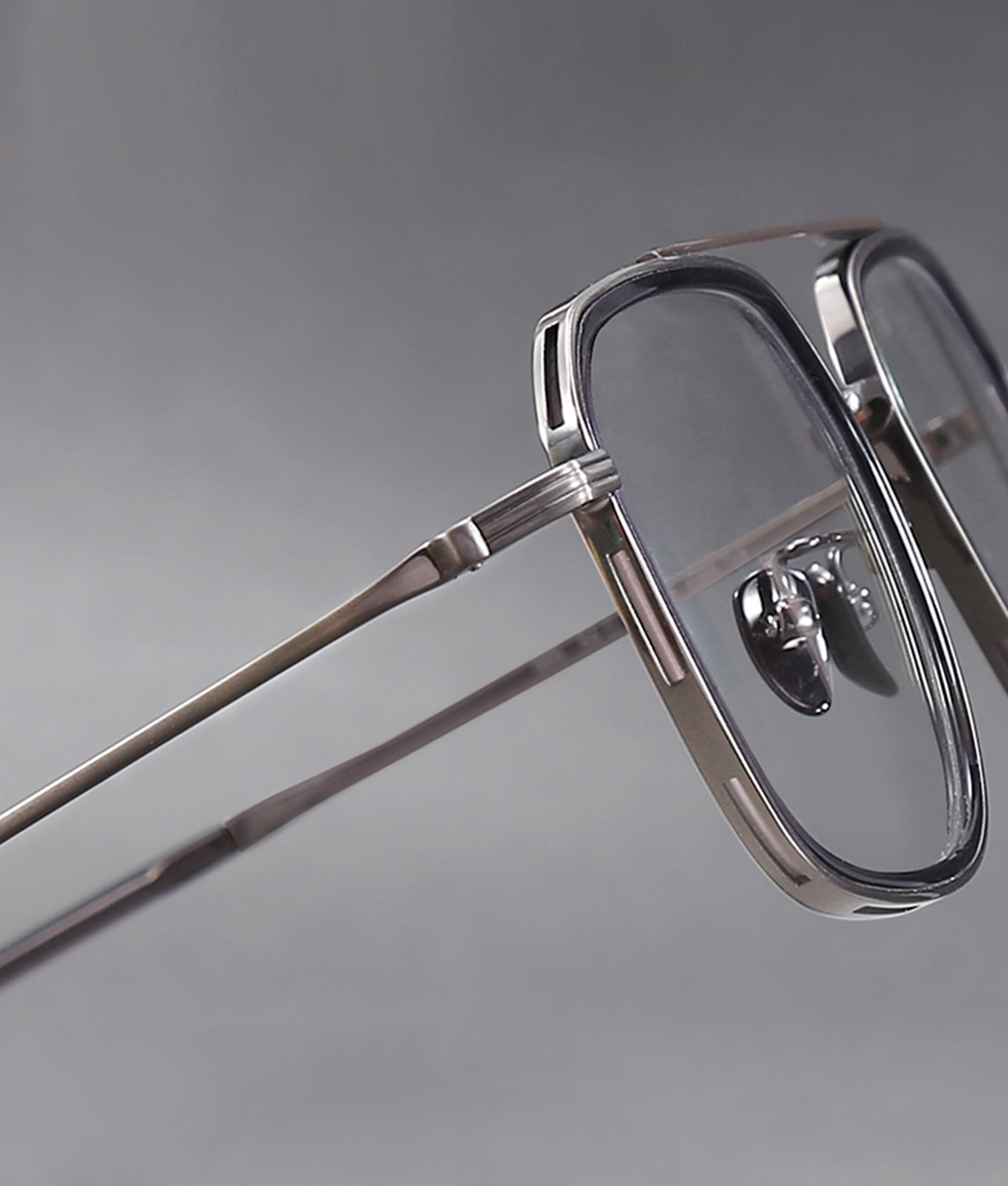
Products

- Contact us
-
-
 +86-13706101351 +86-15262961108
 -

-
 Changwan West Road, Danyang Economic and Technological Development Zone, Danyang City, Zhenjiang City, Jiangsu Province, China.
- Product Categories
- Adult Optical Glasses
- Children's Optical Glasses
- Sunglasses
- Follow us
-


-
 +86-13706101351
 -

- TOP