English
  عربى
عربى 
Previous Post
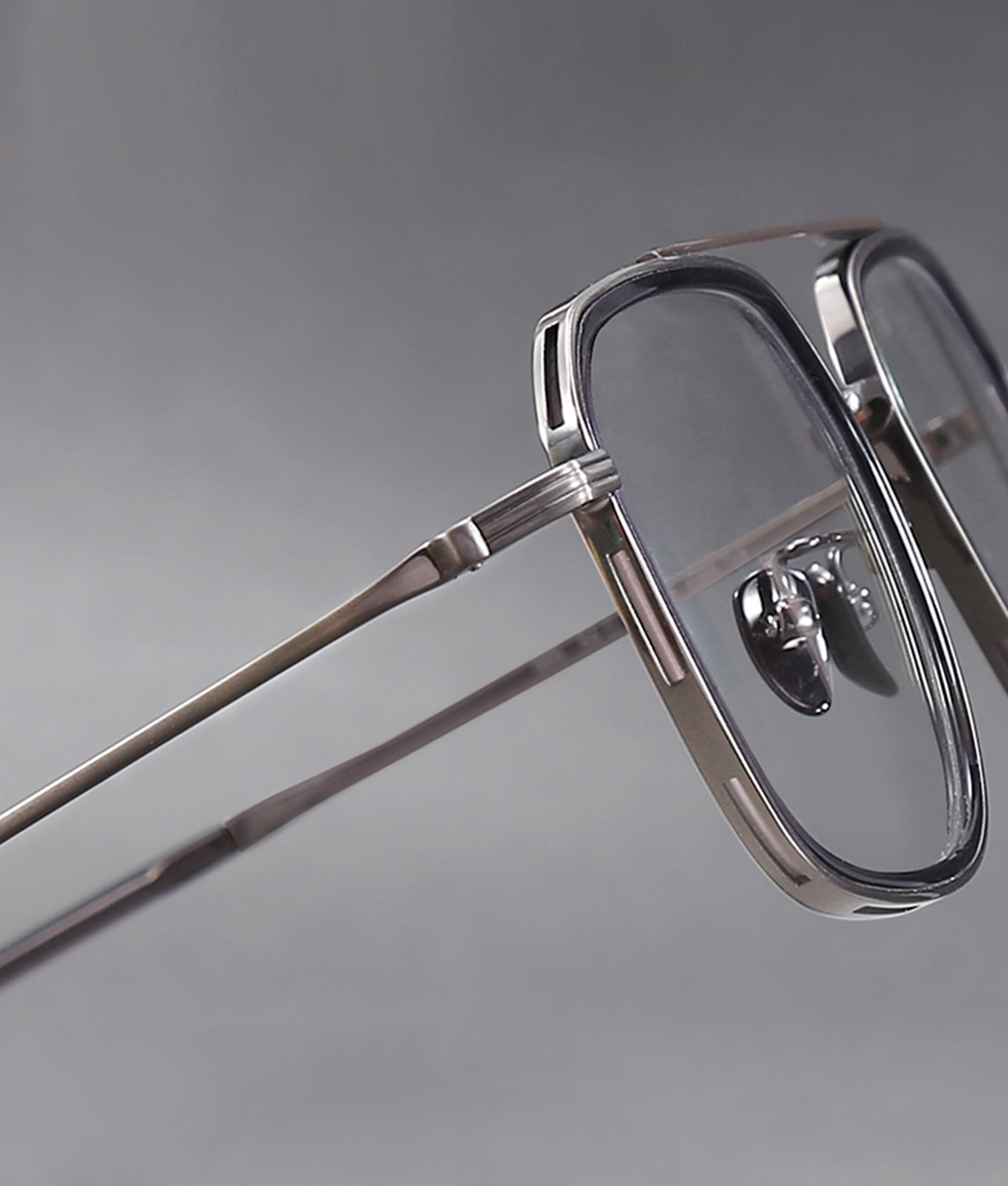
For individuals seeking a balance of long-lasting resilience and sophisticated aesthetics, metal eyeglasses are the superior choice. Unlike acetate or other plastics, metal frames offer a higher strength-to-weight ratio, allowing for sleek, thin profiles that remain incredibly sturdy. They are the go-to option for professionals and fashion enthusiasts alike because they retain their shape over time, resist temperature fluctuations better than plastics, and offer hypoallergenic properties in specific high-grade materials. In short, if you prioritize longevity, comfort, and a timeless look, metal frames are the ideal investment.
Understanding the Material Composition
The performance of metal eyewear largely depends on the alloy used. Not all metals are created equal, and understanding the differences can significantly impact your satisfaction with the product. The industry has evolved from simple basic steel to advanced aerospace-grade materials.
Titanium: The Gold Standard
Titanium is often regarded as the premium material for eyeglasses. It is famous for being exceptionally strong yet incredibly lightweight—roughly 40% to 50% lighter than standard steel. This makes it comfortable for all-day wear, preventing the pressure marks that heavier frames might leave on the nose bridge. Furthermore, titanium is corrosion-resistant and hypoallergenic, making it perfect for sensitive skin. Because it is difficult to work with, titanium frames often command a higher price, but the durability justifies the cost.
Monel: The Versatile Classic
Monel is a nickel-copper alloy that has been a staple in the eyewear industry for decades. Its primary advantage is malleability; it can be adjusted into various shapes without breaking, which allows opticians to customize the fit easily. While it is stronger than pure nickel, it can corrode over time if the plating wears off. Most modern Monel frames are coated with a protective layer to prevent this, ensuring they last for years.
Stainless Steel: Low Maintenance
Stainless steel is an excellent middle-ground option. It is significantly lighter than Monel and offers excellent resistance to corrosion. Unlike titanium, it is generally less expensive, making it a highly practical choice for everyday eyewear. It is also hypoallergenic, ensuring that it does not react with skin oils or moisture.
Memory Metal: Unbreakable Flexibility
Often made from a titanium-nickel alloy, memory metal frames are designed to return to their original shape even after being twisted or bent. This feature makes them incredibly durable for active individuals or children. The flexibility means they are less likely to snap under stress, which is the most common cause of frame breakage.
The Ergonomic Advantage: Comfort and Fit
One of the most compelling reasons to choose metal frames is the superior fit they offer. Metal allows for design intricacies that plastic simply cannot match, particularly regarding adjustability.
Precision Adjustability
Metal frames typically feature adjustable nose pads. This is a crucial feature for people with lower nose bridges or those who require specific optical alignments. Unlike plastic frames that rely on a fixed saddle bridge, metal frames can be fine-tuned:
- Nose Pad Width: The distance between pads can be widened or narrowed to sit perfectly on the nose.
- Temple Adjustments: The sides (temples) of metal frames can be bent to follow the contour of the head behind the ears, preventing the glasses from slipping.
- Wrap Angle: The face form can be adjusted to ensure the lenses sit at the correct distance from the eyes for optimal vision.
Weight Distribution
Because metal is stronger, less material is needed to maintain structural integrity. This results in thinner frames and lighter overall weight. Heavy glasses can cause headaches and fatigue, particularly for high-prescription wearers whose lenses add significant weight. Reducing frame weight helps balance the load on the face, providing a more comfortable wearing experience during long periods of reading or computer work.
Aesthetic Versatility and Design
Metal eyeglasses offer a distinct visual appeal. The thinness of the material allows designers to create minimalist looks that do not overpower the wearer's facial features. This versatility makes metal suitable for various settings, from corporate boardrooms to casual social gatherings.
Finishes and Colors
While plastic relies on coloring the entire block of material, metal frames use physical vapor deposition (PVD) or electroplating to achieve finishes. This results in:
- Gunmetal and Matte Black: For a modern, understated look.
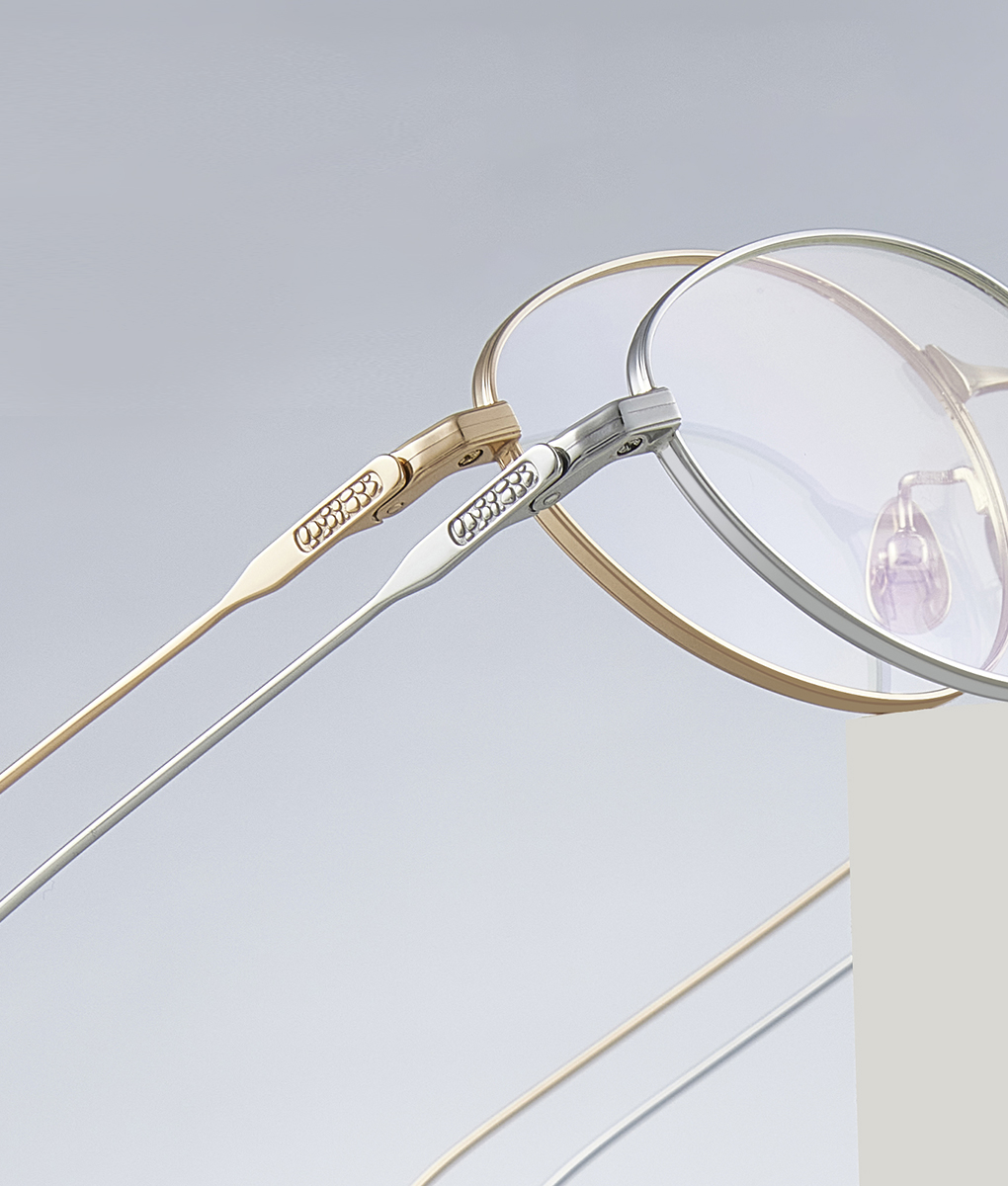
- Gold and Silver: For classic, timeless elegance.
- Rose Gold and Bronze: For a warmer, trendy appearance.
Rimless and Semi-Rimless Options
The tensile strength of metal makes it the only viable material for rimless and semi-rimless (browline) glasses. In these designs, the lenses themselves carry some structural load, and they are drilled or held in place by a thin nylon cord. Metal mounts provide the necessary strength to hold the lenses securely without obstructing the view. This "no-rim" look is often preferred by those who want their eyewear to be as unnoticeable as possible.
Comparative Analysis of Metal Types
To assist in visualizing the differences between the primary materials used in metal eyewear, the following table compares their key characteristics. This data highlights how specific alloys serve different user needs, from flexibility to weight reduction.
| Material Type | Durability | Weight | Hypoallergenic | Adjustability |
|---|---|---|---|---|
| Titanium | High | Ultra-Light | Yes | Moderate |
| Monel | High | Moderate | Varies | High |
| Stainless Steel | Very High | Light | Yes | Low to Moderate |
| Memory Metal | Very High | Light | Varies | Self-Adjusting |
Maintenance and Longevity Care
While metal frames are durable, they require specific care to maintain their luster and structural integrity. Exposure to elements such as saltwater, sweat, and cosmetics can degrade the finish over time.
Cleaning Protocols
- Rinse the glasses with lukewarm water to remove dust particles that could scratch the lenses or frame.
- Apply a small drop of mild dish soap to the fingers and gently rub the frame and lenses.
- Rinse thoroughly to remove any soap residue, which can attract dirt if left behind.
- Dry with a microfiber cloth specifically designed for optics to avoid lint and water spots.
Tightening and Alignment
A common issue with metal frames is the loosening of screws over time, especially in the hinges. It is advisable to have a small optical screwdriver kit on hand. Tightening the screws at the first sign of wobble prevents the threads from stripping. For alignment issues, while minor adjustments can be done at home, significant bends should always be handled by a professional optician to avoid snapping the metal or damaging the lens coatings.
Protecting the Finish
Avoid leaving your glasses in a hot car, as extreme heat can warp the metal and damage lens coatings. Additionally, be mindful of hairsprays and perfumes; these chemicals can erode the protective plating on metal frames, leading to pitting and discoloration. Always put your glasses on after applying grooming products.
Suitability for Prescription Lenses
The choice of frame material significantly interacts with the type of prescription lenses required. Metal frames are particularly advantageous for specific lens types due to their structural properties.
High-Index Lenses
For people with strong nearsightedness or farsightedness, lenses can be thick and heavy. Metal frames are ideal because their thin rims do not add unnecessary bulk, complementing the slimmer profile of high-index lenses. This creates a cosmetically appealing result by hiding the edge thickness of the lens effectively behind the thin metal rim.
Progressive Lenses
Progressive (no-line bifocal) lenses require a precise fit. The frame must sit stable on the face and not slide down, as the progressive corridor is narrow. The adjustable nose pads on metal frames allow for the precise height adjustment needed to align the multifocal segments with the wearer's pupils. This stability is harder to achieve with plastic frames that lack adjustable pads.