English
  عربى
عربى 
Previous Post
The Core Principle of Choosing Prescription Glasses
Finding the perfect prescription glasses ultimately comes down to balancing accurate vision correction with comfort and personal style. By understanding your optical prescription, selecting the right lens materials and coatings, and choosing a frame that complements your facial structure, you can ensure optimal visual clarity and long-term wearing comfort. Prescription glasses are not just a medical device; they are an essential daily accessory that impacts how you interact with the world. Taking the time to understand the components of your eyewear will significantly enhance your quality of life and protect your long-term ocular health.
Understanding Your Optical Prescription
Before diving into frames and coatings, it is crucial to understand what your prescription actually means. An optical prescription is a written authorization by an optometrist or ophthalmologist for the manufacture of corrective lenses. It contains specific abbreviations and numbers that indicate the type and severity of your vision impairment.
Common Types of Vision Correction
Different visual impairments require different approaches to lens manufacturing. Understanding your specific condition will help you communicate better with your optician and select the most suitable lenses.
- Single Vision Lenses: These are designed to correct one field of vision, either for distance or for reading. They are the most common type of prescription glasses.
- Progressive Lenses: These provide a seamless transition between multiple prescription strengths, allowing the wearer to see clearly at varying distances without the visible lines found in bifocals.
- Toric Lenses for Astigmatism: Specifically shaped to correct the irregular curvature of the cornea, providing clear vision for those with astigmatism.
Selecting the Ideal Lens Materials and Coatings
The material of your lenses affects their weight, durability, and visual clarity. Furthermore, advanced coatings can drastically improve the performance and longevity of your prescription glasses. Choosing the right combination of material and coating can reduce eye strain and extend the life of your eyewear.
Advanced Lens Materials
Modern lens materials have evolved significantly, offering lighter and safer options than traditional glass. Polycarbonate lenses are highly impact-resistant, making them ideal for active individuals and children. High-index plastic lenses are designed to be thinner and lighter, which is highly beneficial for individuals with stronger prescriptions.
Protective and Enhancing Coatings
Applying coatings to your lenses can customize them to fit your lifestyle needs perfectly. Below is a comparison of the most beneficial lens coatings available today.
| Coating Type | Primary Benefit | Ideal User |
|---|---|---|
| Anti-Reflective | Reduces glare from screens and headlights | Drivers and office workers |
| Blue Light Filter | Blocks high-energy visible light | Heavy digital device users |
| UV Protection | Shields eyes from harmful sun rays | Everyone exposed to sunlight |
| Scratch-Resistant | Creates a harder surface to prevent damage | Children and active adults |
Finding the Perfect Frame for Your Face
The frame is what holds your lenses securely and defines your look. A poorly fitting frame can cause discomfort, headaches, and even alter the effectiveness of your prescription. The general rule is to choose a frame that contrasts with your face shape. For example, round faces benefit from angular frames, while square faces are softened by rounder shapes.
Material Considerations for Frames
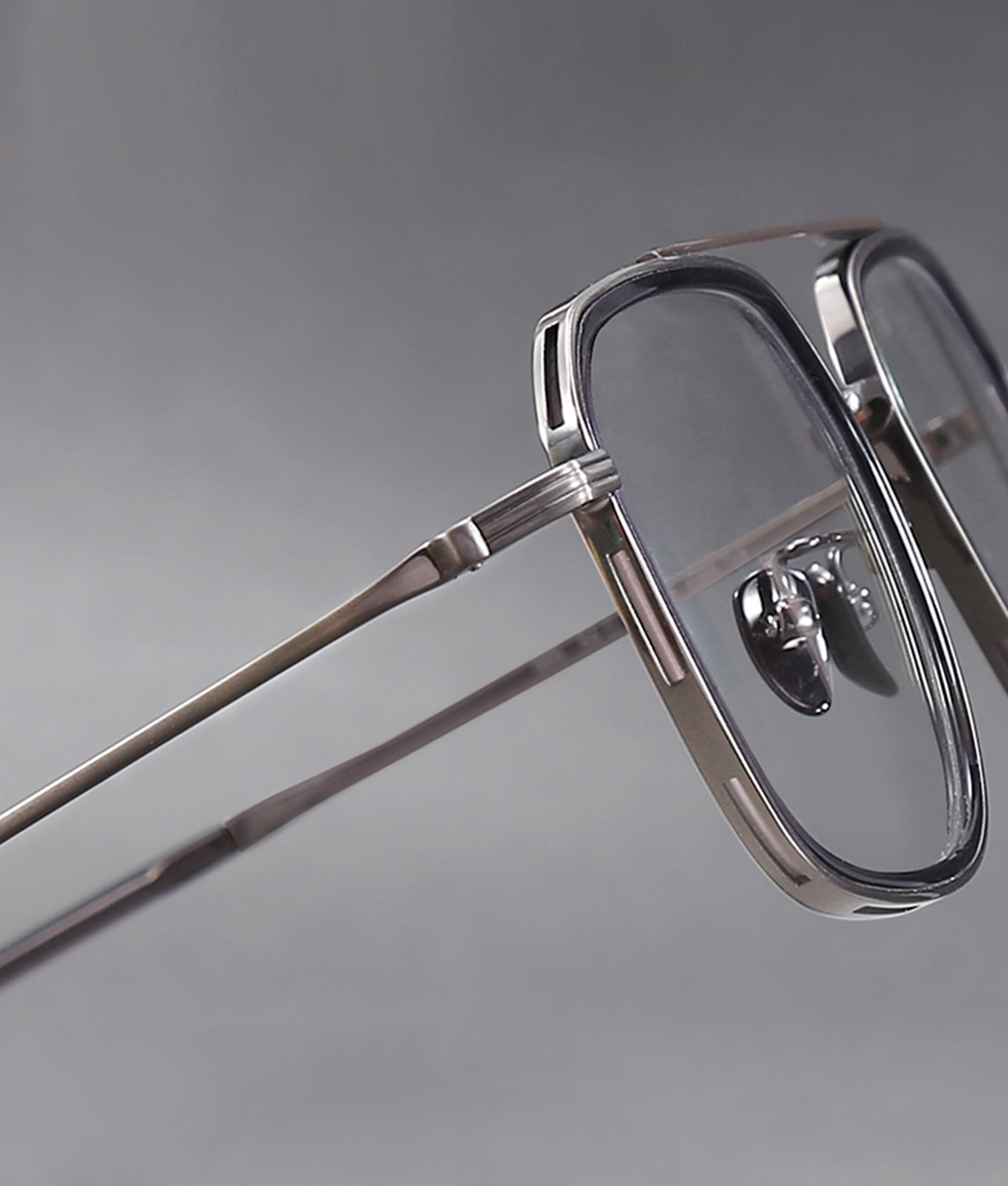
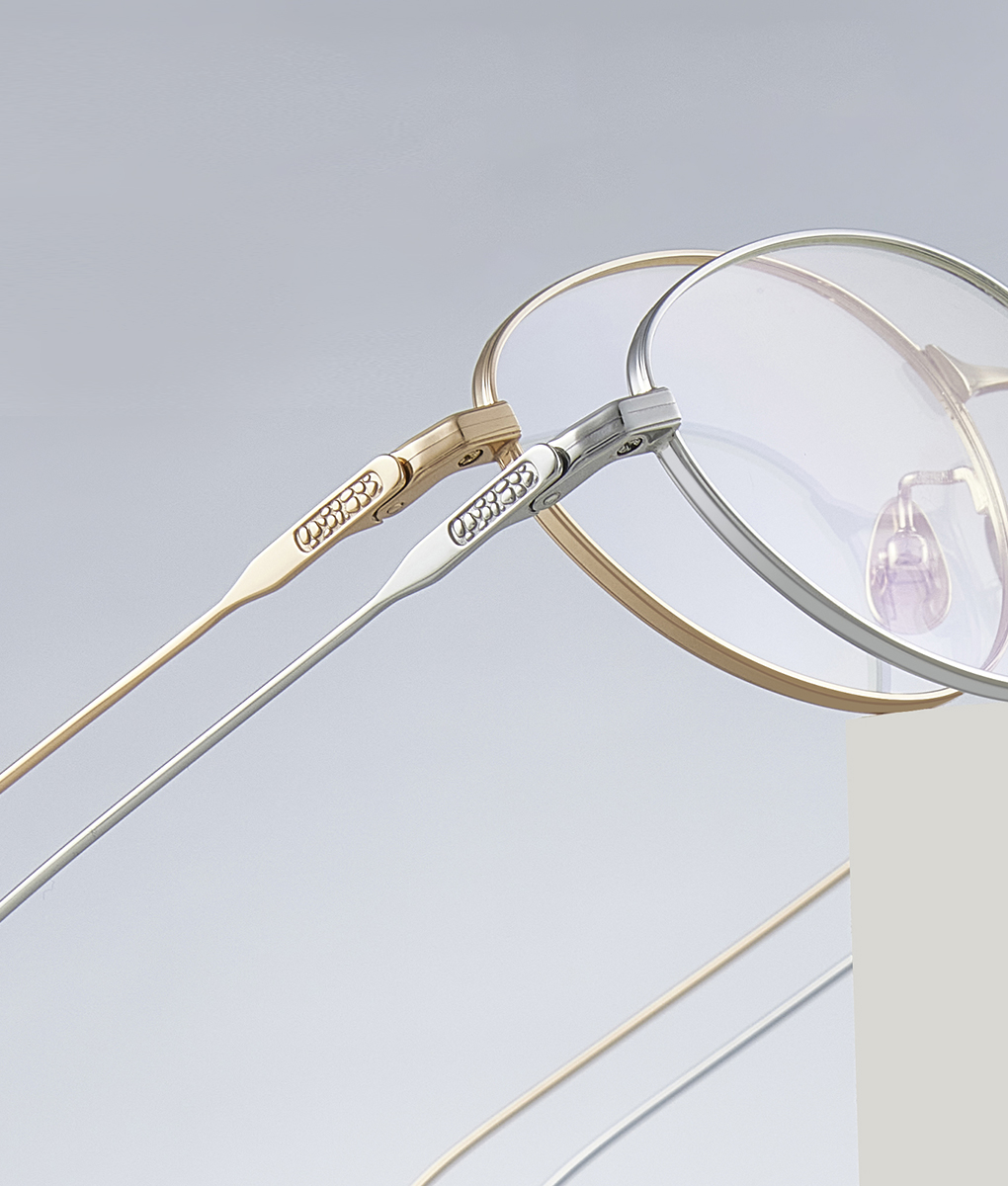
Frames are constructed from a variety of materials, each offering distinct advantages in terms of weight, flexibility, and aesthetics. Metal frames, such as those made from titanium or stainless steel, are highly durable and hypoallergenic. Acetate frames offer a vast array of color options and are lightweight, making them a popular choice for fashion-forward individuals.
Ensuring Proper Fit and Alignment
A proper fit is essential for both comfort and visual accuracy. The frame should rest comfortably on the bridge of your nose without pinching, and the temples should extend straight back to your ears without digging in. Regular adjustments by a professional can maintain this fit over time as the frame naturally expands.
- Check the pupil positioning: Your pupils should sit directly in the center of the lenses for optimal vision.
- Assess the temple length: The arms of the glasses should curve comfortably over the ears without causing pressure.
- Evaluate the bridge fit: The nose pads should distribute the weight of the glasses evenly without leaving deep red marks.
Transitioning to Prescription Sunglasses
For those who spend a significant amount of time outdoors, relying on clip-on sunshades or squinting in bright light is not an effective solution. Prescription sunglasses offer the exact vision correction you need while providing critical protection from UV radiation. They can be tailored with polarized lenses to eliminate harsh glare from reflective surfaces like water and roads, making them safer for driving and outdoor activities.
Photochromic vs. Tinted Lenses
When considering sun protection, you have the choice between permanently tinted lenses and photochromic lenses that adapt to changing light conditions. Photochromic lenses provide the convenience of a single pair of glasses for both indoor and outdoor use, though they may not darken fully inside a vehicle due to the windshield blocking UV rays. Tinted lenses offer consistent shading and can be customized in various colors for specific visual enhancements.
Maintenance and Care for Longevity
Investing in high-quality prescription glasses requires a commitment to proper maintenance. By adopting good daily habits, you can keep your lenses clear and your frames in optimal condition for years.
Daily Cleaning Routine
Cleaning your lenses improperly is one of the most common ways people damage their prescription glasses. Using a shirt or a paper towel can trap dirt and scratch the lens coating. The correct method involves rinsing the glasses under lukewarm water to remove debris, applying a small amount of lotion-free dish soap, and drying them with a clean microfiber cloth.
Proper Storage Techniques
When you are not wearing your glasses, they should always be stored in a hard-shell protective case. This prevents accidental crushing and keeps dust away from the lenses. Never place your glasses face down on a surface, as this will inevitably result in scratches on the lens coating. Additionally, avoid leaving them in extreme temperatures, such as the dashboard of a car, as intense heat can warp the frame and damage the lenses.