
 English
  عربى
عربى 
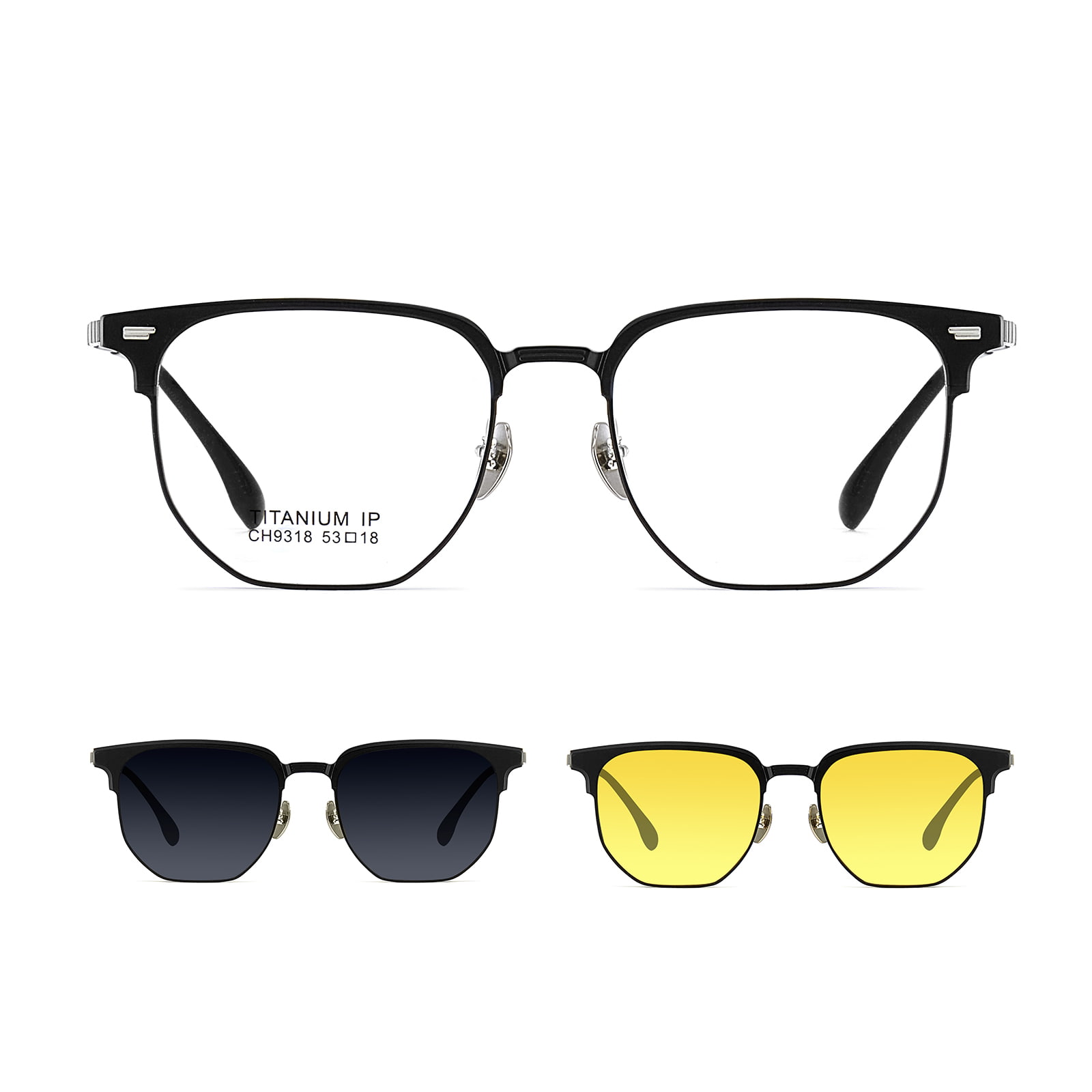
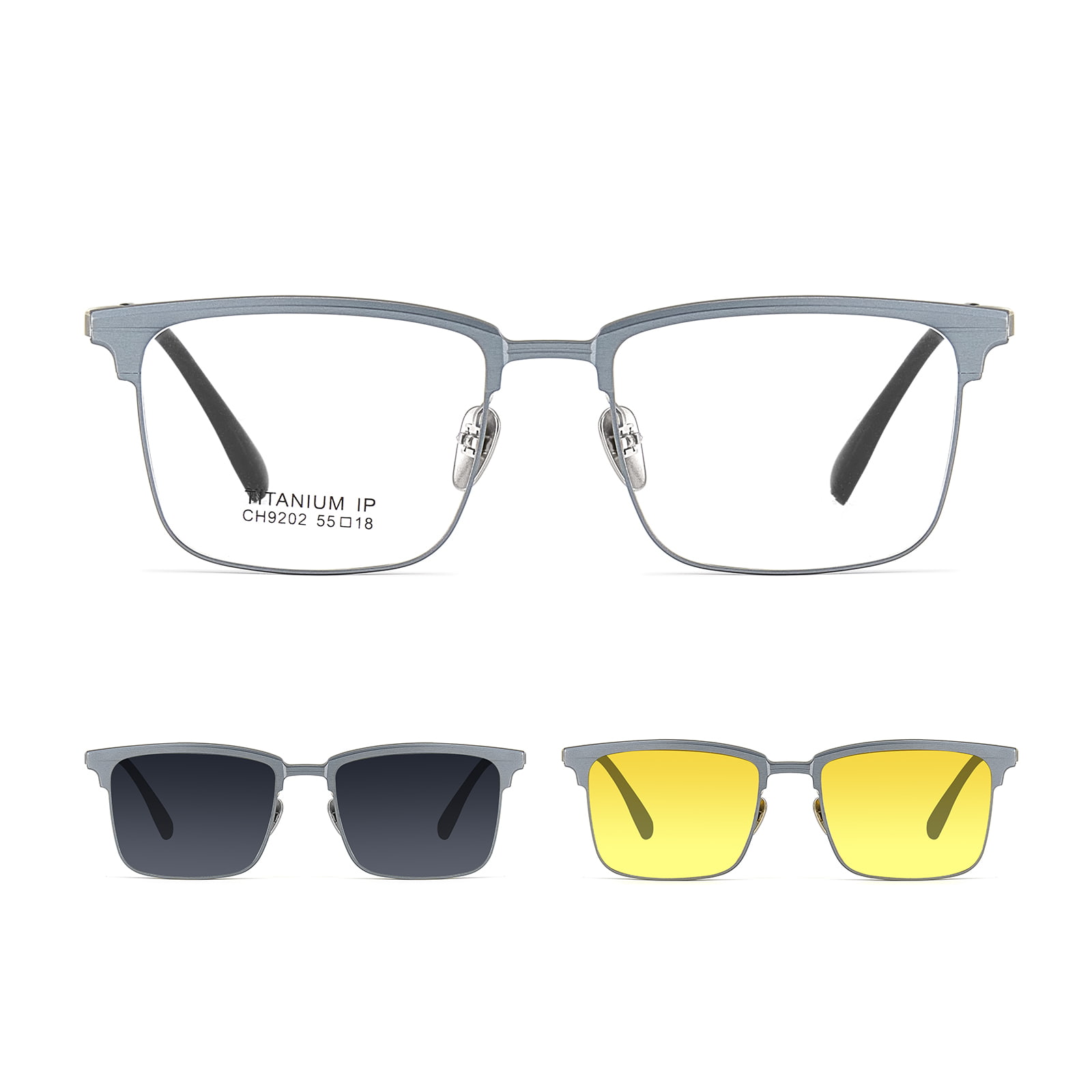
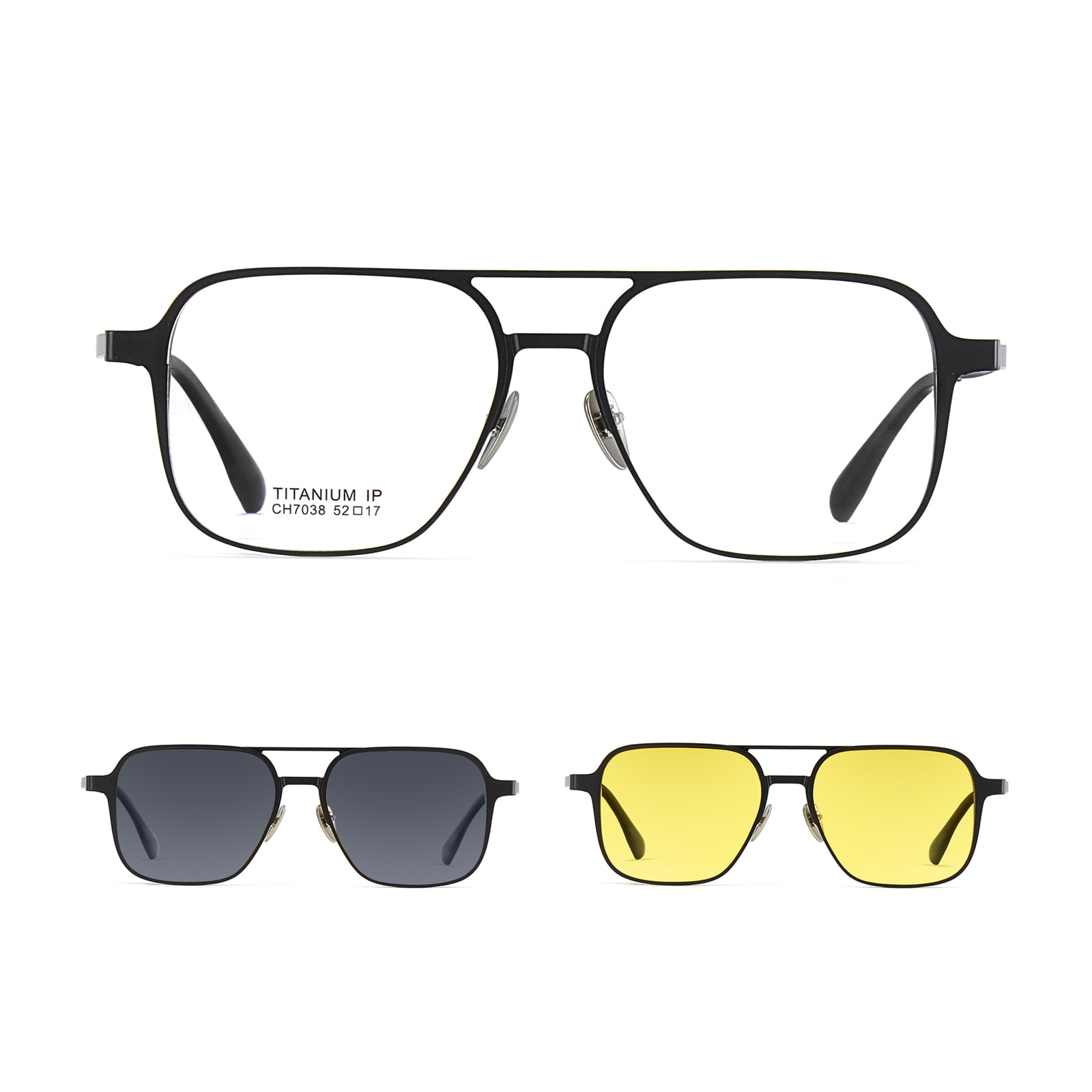
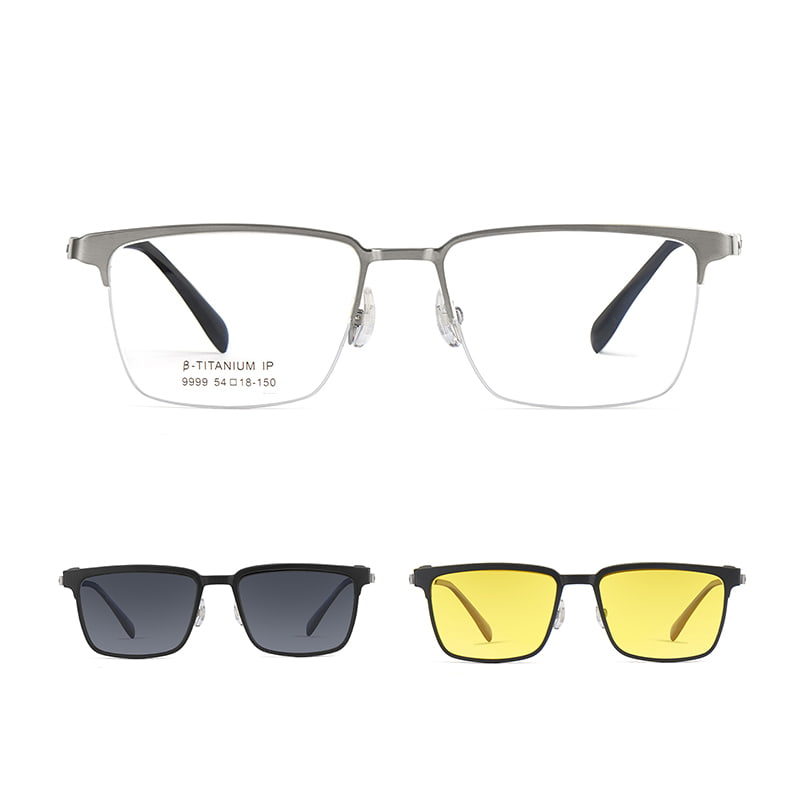

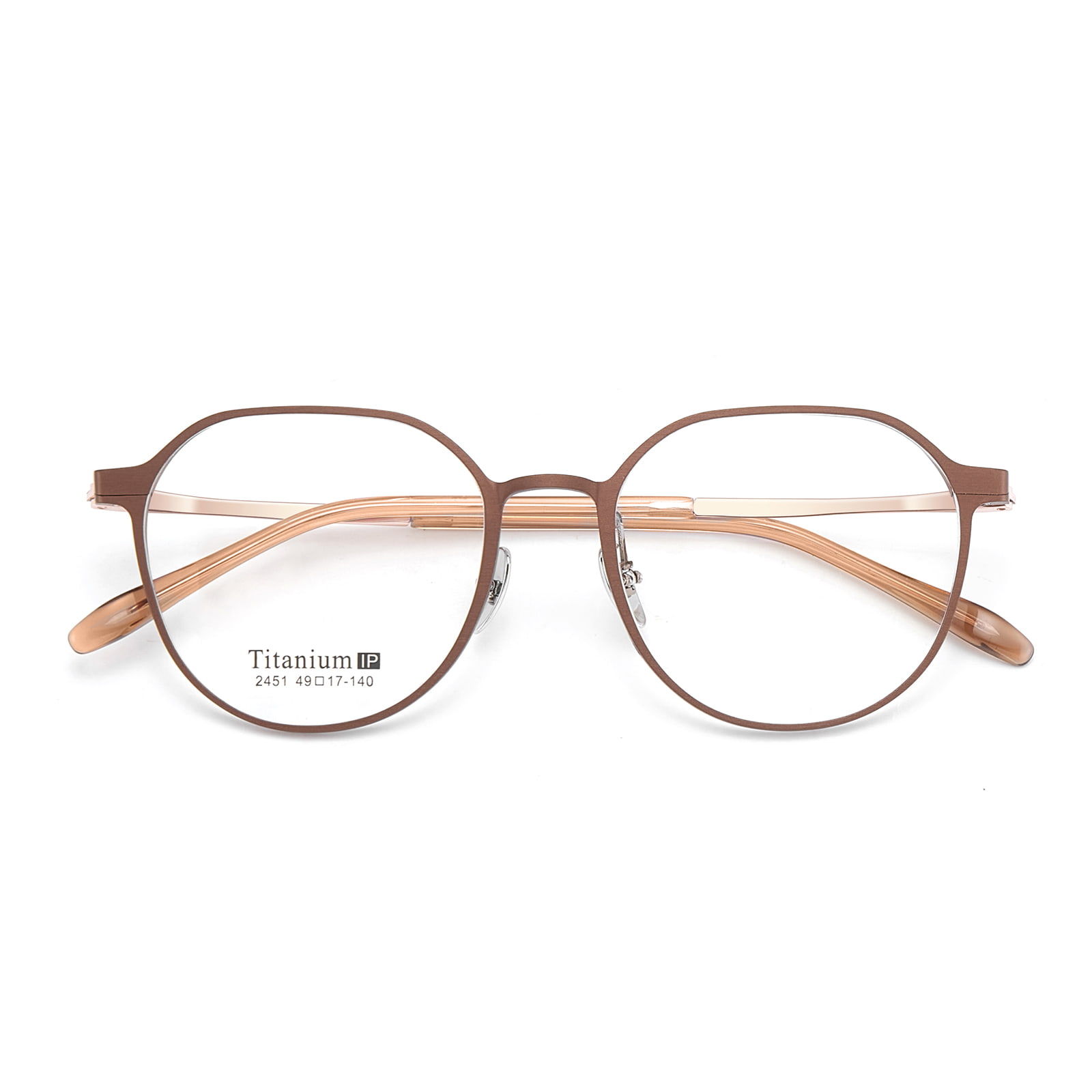
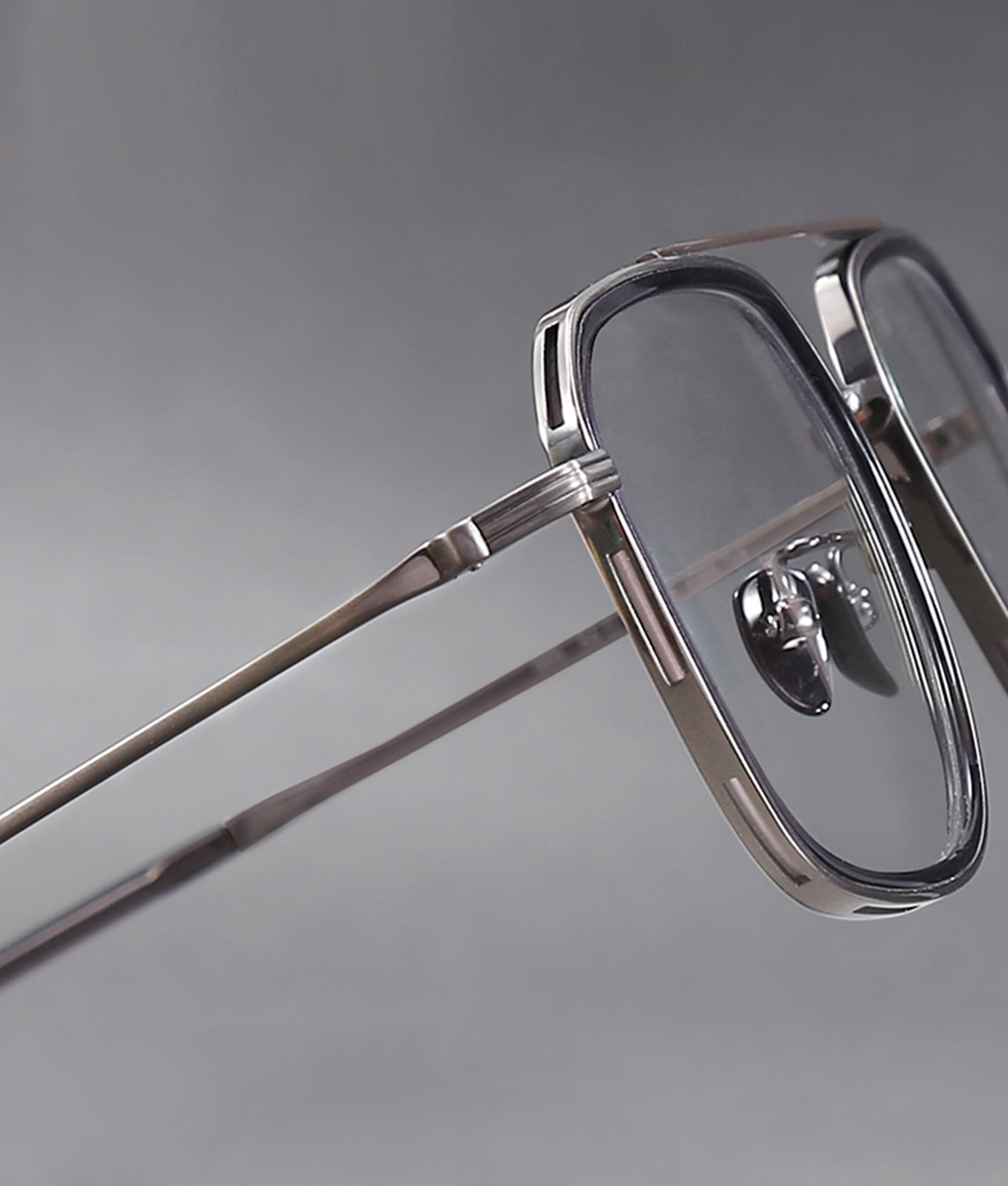
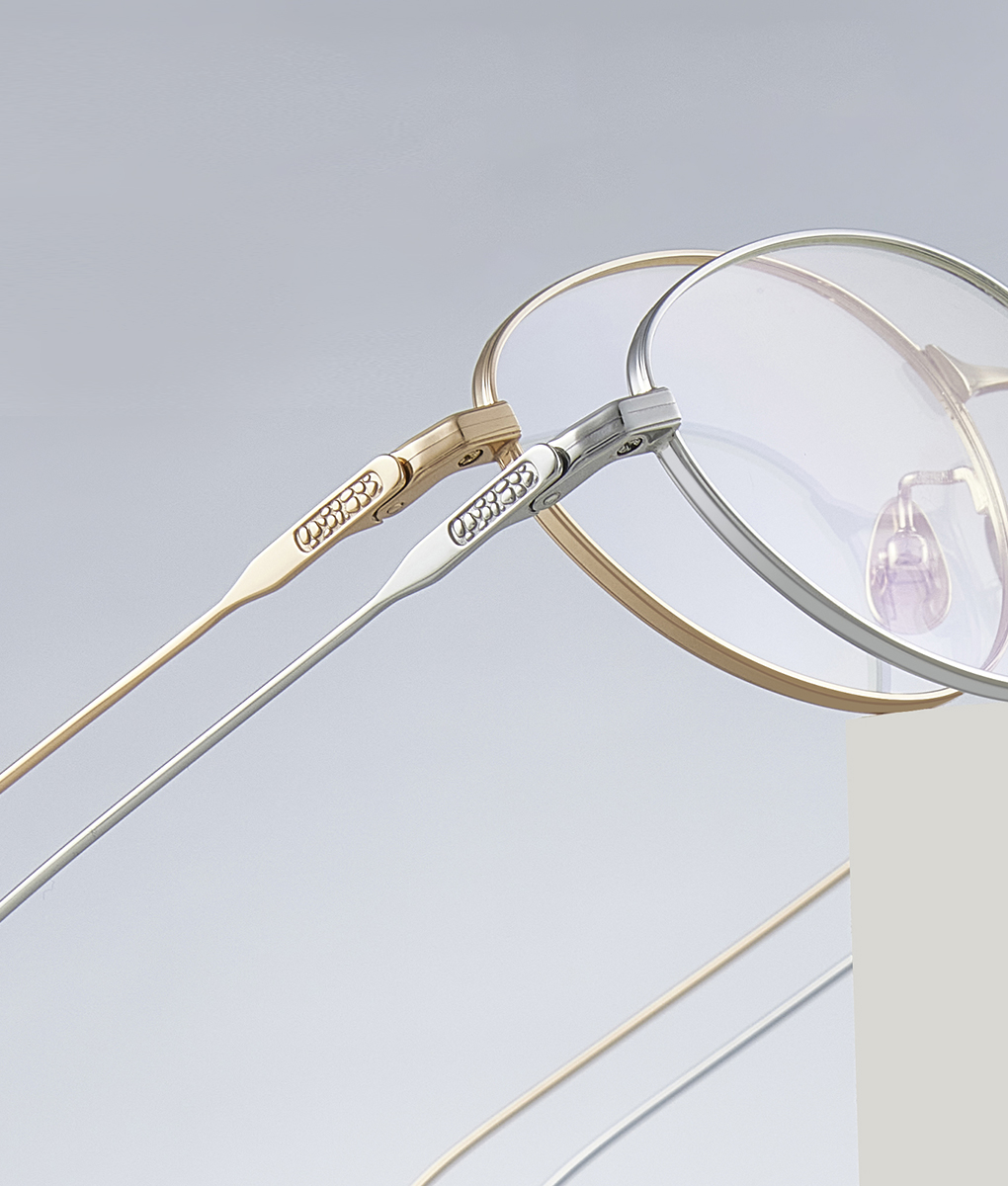
Light as paper, strong as steel: A cost-effective alternative to pure titanium frames, offering high resistance to high temperatures, corrosion, and oxidation. It provides great value and is safe for individuals with sensitive skin.
Selected as an aerospace material: Lightweight and comfortable for long-term wear, it doesn’t exert pressure on the nose or ears, making it particularly ideal for daily commuting or sports activities.
High strength with excellent bending resistance: The frame is highly durable and resistant to breakage, ensuring a long service life.
Built-in spring hinge design: Featuring a spring hinge, it reduces pressure on the cheeks, making it comfortable even for individuals with larger faces.
Safe material, corrosion-resistant: The aluminum-magnesium alloy is treated with an oxidation process that enhances its resistance to corrosion from sweat, saltwater, and other corrosive substances, making it perfect for outdoor activities or seaside vacations.
HIDE FILTER
Custom Aluminum Magnesium Glasses Frame Manufacturers
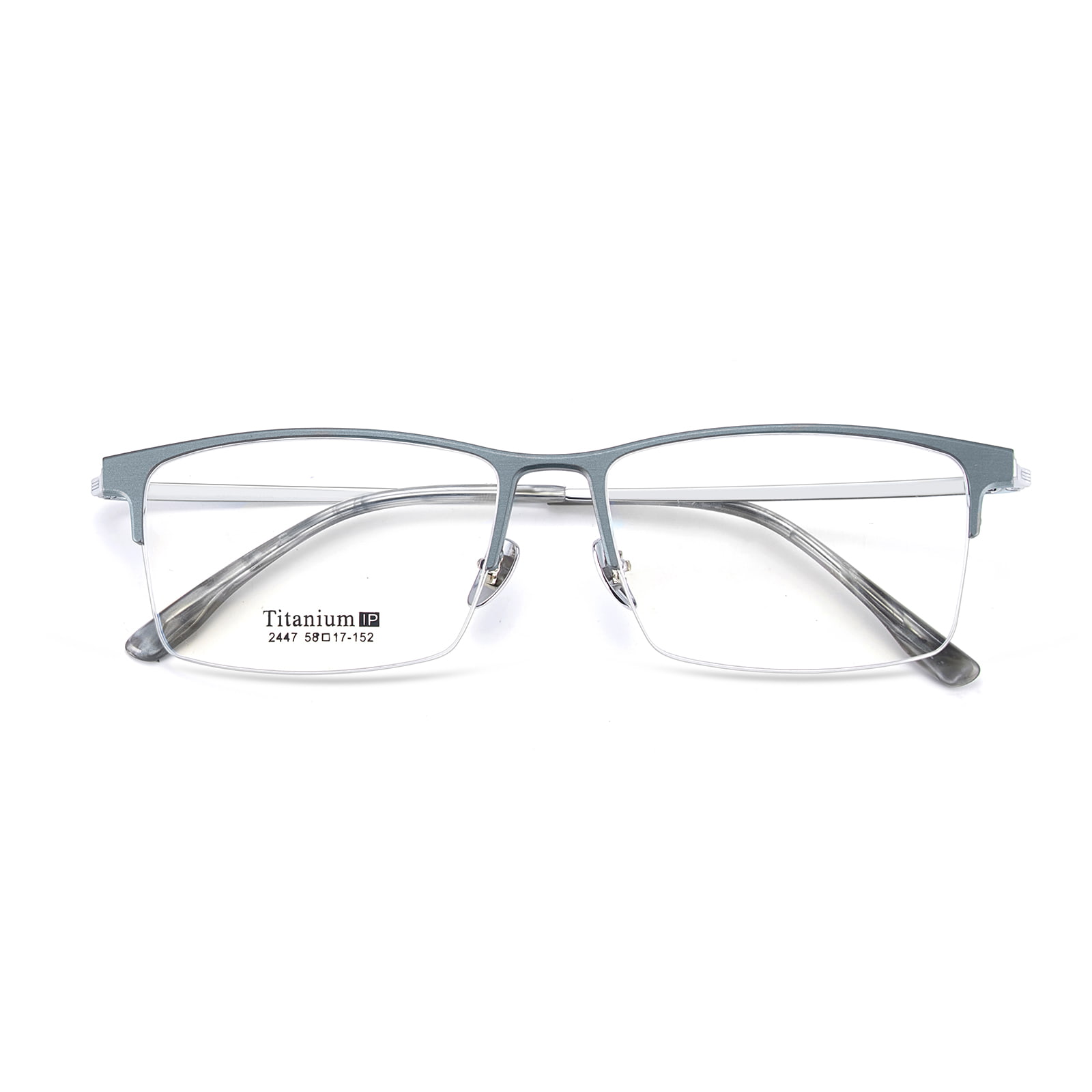
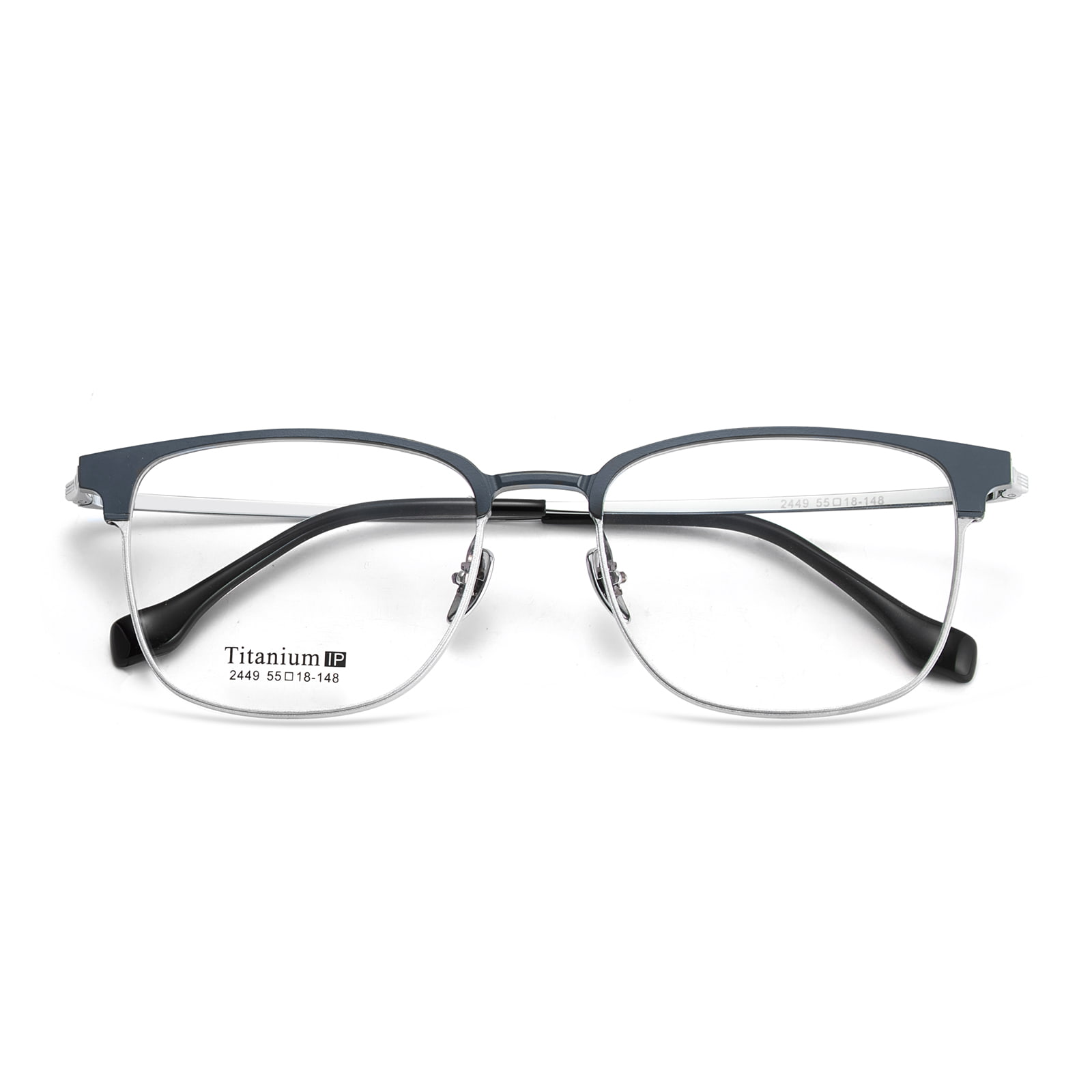
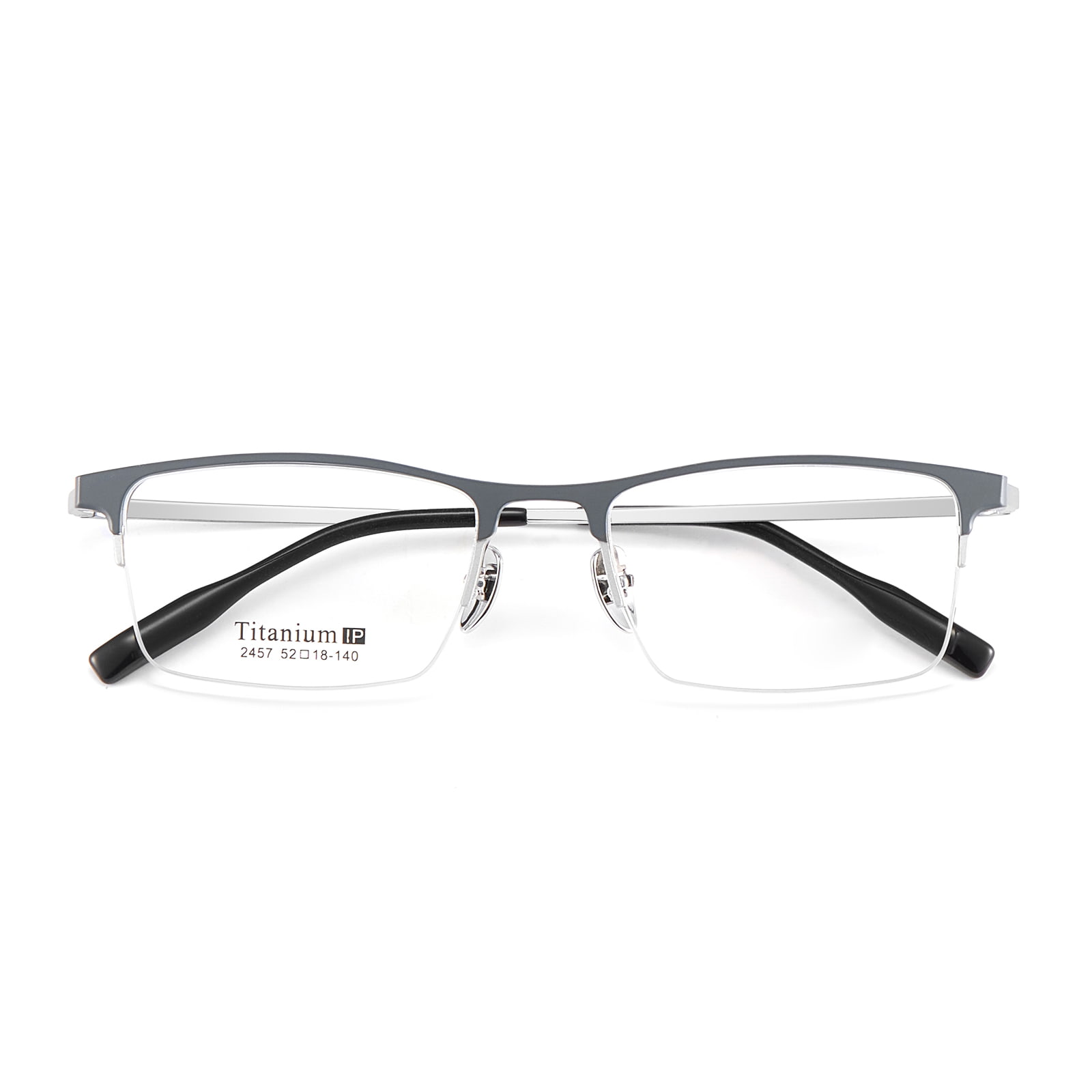
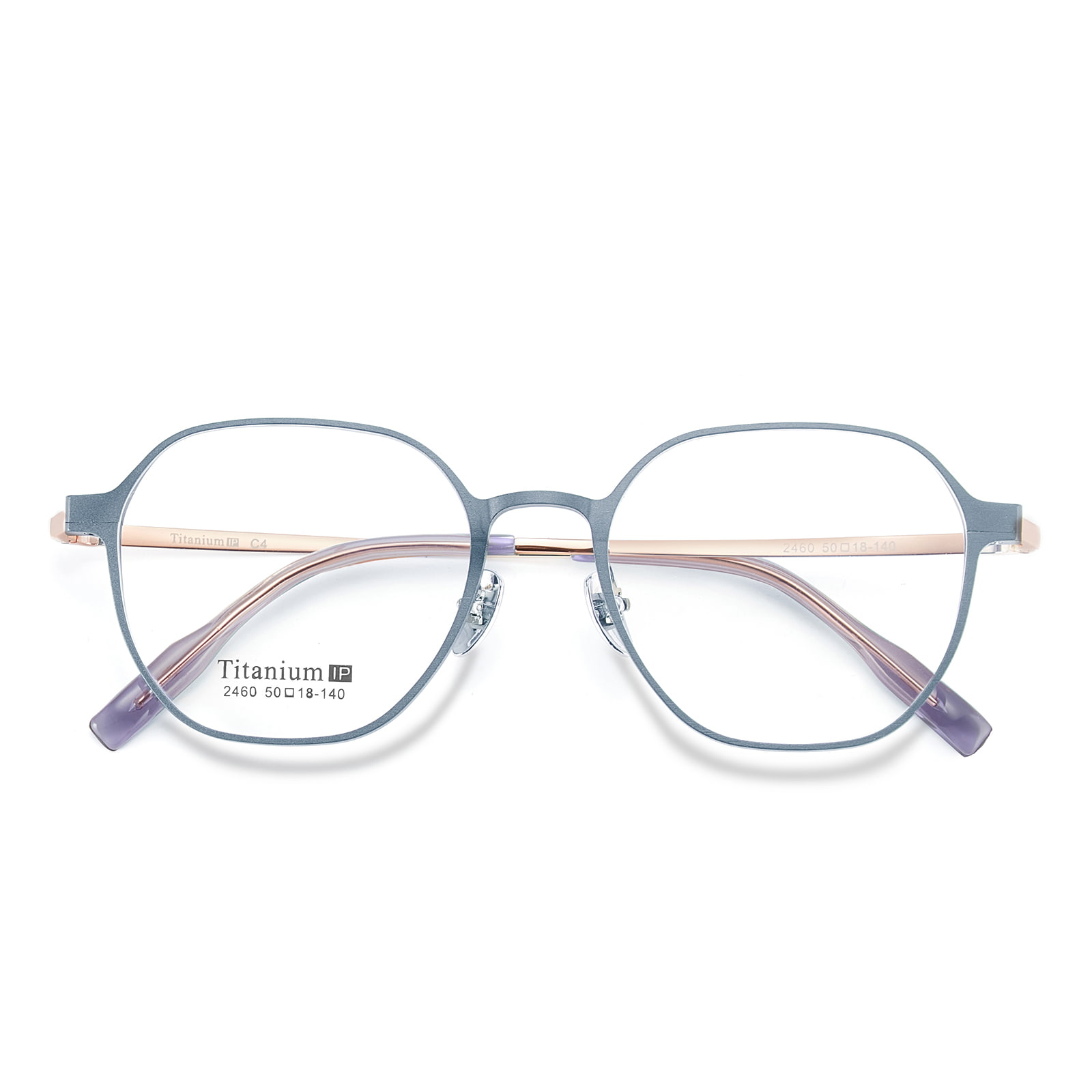

Beyond the Glasses, Beyond the Vision
Zhenjiang Guoda Optical Technology Co., Ltd. is China Custom Aluminum Magnesium Eyeglass Frames Manufacturers and Aluminum Magnesium Glasses Frame Factory, established in 2012, is located in the hometown of China's eyewear - Danyang City, Zhenjiang City, Jiangsu Province, China. 2020, the company's new expansion of four modern factories, covering an area of 12,000 square metres, with more than 200 professional staff, with advanced production equipment and stringent quality control standards, to provide customers around the world with high-quality eyewear products. We offer Aluminum Magnesium Optical Frames for sale.
Honor
-
 Test Report
 -
 Test Report
 -
 Test Report
 -
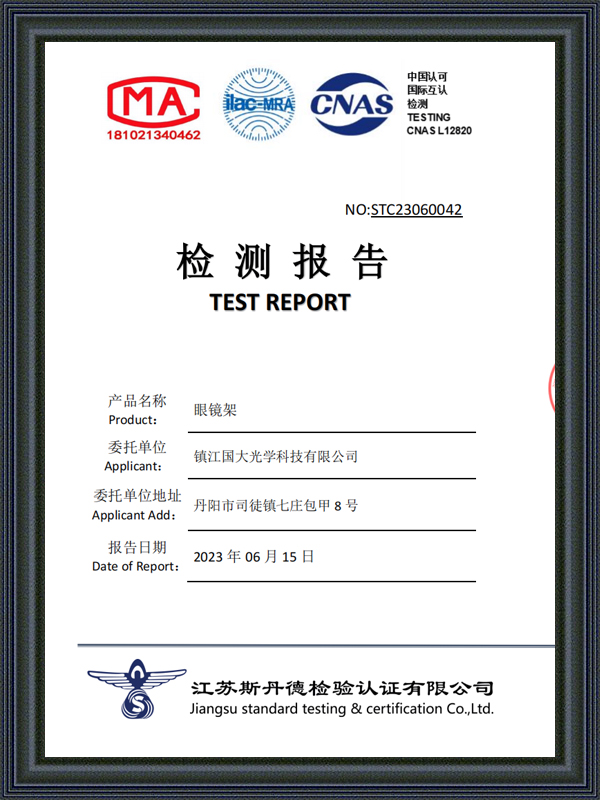 Test Report
 -
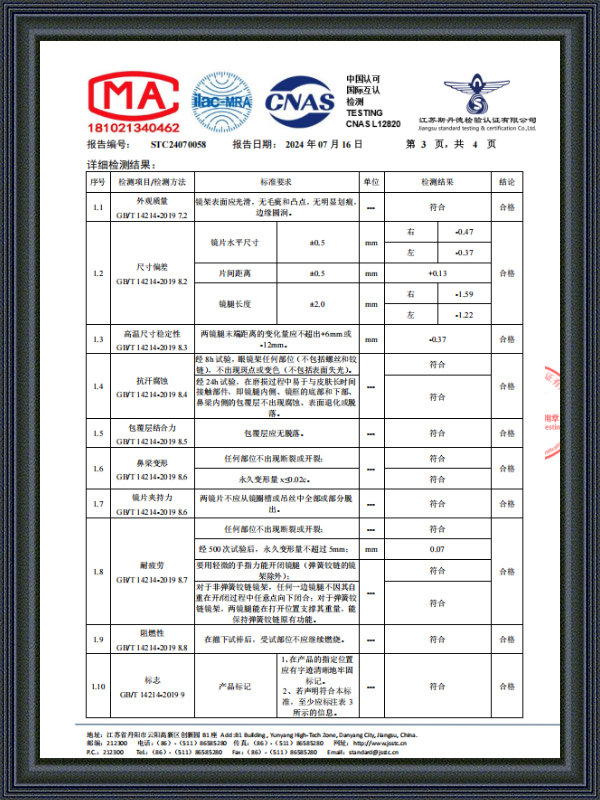 Test Report
 -
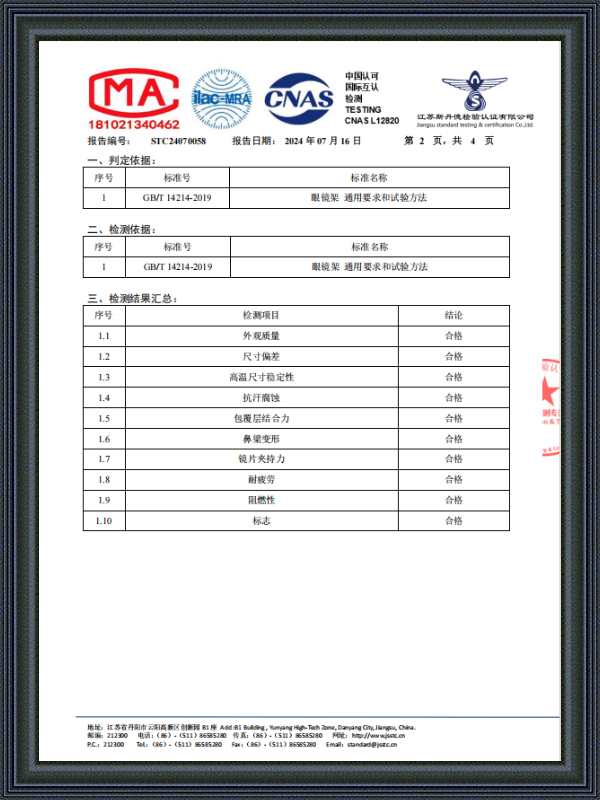 Test Report
News
-
Industry News 2026-07-01
For individuals seeking a balance of long-lasting resilience and sophisticated aesthetics, metal eyeglasses are the superior choice. Unlike acetate or other plastics, metal frames offer a higher strength-to-weight ratio, allowing for sleek, thin profiles that remain incredibly sturdy. They are the go-to option for pro...
View More -
Industry News 2026-06-22
Acetate glasses stand as the premier choice for premium eyewear due to their exceptional durability, lightweight comfort, and limitless color versatility. Unlike cheap petroleum-based plastics, acetate is a plant-based material derived from natural cotton fibers and wood pulp, making it hypoallergenic, highly adjustab...
View More -
Industry News 2026-06-15
Do Blue Light Blocking Glasses Work? Yes, blue light blocking glasses are effective for alleviating digital eye strain and preventing artificial light from disrupting your sleep cycle. While they are not a magical cure for all vision problems, they serve as a practical and proactive shield against the specific hazards...
View More
Contact us now
Aluminum Magnesium Glasses Industry Knowledge
Exploring the Material Science Behind Aluminum Magnesium Optical Frames: Why Are They So Lightweight and Durable?
Introduction: Beyond Tradition, Redefining "Lightweight"
In the world of optical frames, the consumer's eternal quest revolves around two core elements: comfort and durability. For centuries, manufacturing materials have evolved from tortoiseshell and wood to modern acetate and various metals. However, many wearers still face a common dilemma: pursuing a sturdy frame often means sacrificing lightness, while chasing lightness can compromise durability.
In recent years, a material derived from aerospace and high-end manufacturing—aluminum-magnesium alloy—has quietly been changing this landscape. Aluminum Magnesium Optical Frames are rapidly becoming a focal point in the industry, thanks to their incredible material properties. But what exactly are they? And why does this material strike an almost perfect balance between lightweight comfort and robust durability? This article delves deep into the material science behind aluminum-magnesium frames.
What is Aluminum-Magnesium Alloy? A Material Science Marvel
To understand the advantages of Aluminum Magnesium Eyeglass Frames, we must first understand their composition.
Alloy Composition and Synergy
Aluminum-magnesium alloy, as the name suggests, is primarily formed by fusing two metallic elements: Aluminum (Al) and Magnesium (Mg). In industrial applications (such as the 5000 or 6000 series alloys common in eyewear), aluminum serves as the base, providing extremely low density, while magnesium acts as the key strengthening element.
The combination of these two metals creates a synergistic effect where 1+1 > 2:
- Aluminum (Al): Known for its light weight and good corrosion resistance (due to the dense oxide layer that naturally forms on its surface).
- Magnesium (Mg): One of the lightest structural metals known, but pure magnesium is too chemically reactive. When added to aluminum as an alloying element, it significantly increases the material's strength and hardness without a substantial weight penalty.
Therefore, an Aluminum Magnesium Glasses Frame inherits the lightness of aluminum and the strength of magnesium. Its density is far lower than steel and even lower than titanium, which is often hailed as the "space-age metal."
Core Advantages of Aluminum Magnesium Eyeglass Frames Analyzed
When this alloy is used to manufacture optical frames, its advantages are tangible and significant.
Ultimate Lightweight Comfort: A Near-Weightless Experience
The density of aluminum-magnesium alloy typically ranges from 2.6 to 2.7 g/cm³. This is an overwhelming advantage compared to stainless steel (approx. 7.9 g/cm³) or pure titanium (approx. 4.5 g/cm³). For individuals who wear glasses for extended periods, a lighter frame means significantly less pressure on the bridge of the nose and behind the ears, offering an almost "weightless" comfort.
Exceptional Strength and Rigidity: Resistant to Deformation
Despite being extremely light, aluminum-magnesium alloy possesses a very high "specific strength" (the ratio of strength to density). Aluminum Magnesium Optical Frames exhibit excellent rigidity.
What does this mean?
- Lens Stability: The frame does not easily bend or twist, securely holding optical lenses in their precise position. This is crucial for high-prescription or progressive lenses, ensuring a clear and stable field of vision.
- Impact Resistance: Compared to acetate, which can become brittle, or regular metals that bend easily under stress, aluminum-magnesium alloy is better at retaining its original shape after an accidental impact.
Superior Corrosion Resistance: A Challenger to Sweat and the Elements
Human perspiration is mildly acidic and is the primary source of corrosion for eyeglass frames, especially on the temples and nose pads. Aluminum-magnesium alloy is inherently resistant to this corrosion.
Furthermore, modern Aluminum Magnesium Glasses Frame products are often treated with "Anodizing." This electrochemical process creates a protective layer on the alloy's surface that is thicker, harder, and more dense than the natural oxide film. This layer not only makes the frame virtually impervious to sweat, moisture, or cosmetics but also allows it to be dyed in a variety of rich, fade-resistant metallic colors.
Malleability and Design Freedom
Unlike titanium alloys, which are notoriously difficult to machine, aluminum-magnesium alloy has good malleability and machinability. It can be cut, drilled, and sculpted using precision CNC (Computer Numerical Control) machines, allowing for intricate designs and delicate details that are difficult to achieve with traditional materials. This empowers designers to create slimmer, more modern frame profiles.
Aluminum Magnesium Glasses Frame vs. Mainstream Materials: A Performance Showdown
To visually understand the position of aluminum-magnesium alloy, let's compare it to several of the most common frame materials on the market:
| Material Property | Aluminum-Magnesium | Titanium / Beta-Titanium | Acetate | Stainless Steel |
| Weight | Extremely Light | Very Light | Medium to Heavy | Heavy |
| Strength / Rigidity | High | Very High (Esp. Beta-Ti flexibility) | Medium (Affected by temperature) | High |
| Very High (Esp. Anodized) | Extremely High (Near immune) | Medium (Can be damaged by chemicals) | High | |
| Hypoallergenic | High | Extremely High (Biocompatible) | High (but additives may sensitize) | Medium |
| Design/Color Options | Very High (Easy CNC & Anodizing) | Limited (Hard to machine/color) | Extremely High (Patterns embedded) | Medium (Mostly plating) |
As the comparison shows, Aluminum Magnesium Eyeglass Frames strike an excellent balance of weight, strength, and design freedom. While slightly inferior to pure titanium in biocompatibility, their overall performance and plasticity make them a highly competitive choice.
Unveiled: The Journey to a High-Quality Aluminum Magnesium Optical Frame
Theoretical advantages must be translated into high-quality finished products through superb manufacturing processes. Manufacturing Aluminum Magnesium Optical Frames is a far more complex process than it appears.
The Challenge of Precision Manufacturing
Because aluminum-magnesium alloy is relatively soft (compared to steel), high-speed CNC machining demands extreme precision from the cutting tools, cooling techniques, and material fixtures to prevent deformation or burring.
From Alloy to Frame: Critical Steps
- Material Selection: Choosing the correct grade of aluminum-magnesium alloy profiles.
- CNC Sculpting: Using multi-axis CNC machines to precisely cut the complex shapes of the frame front and temples.
- Polishing and Buffing: Multiple stages of manual and mechanical polishing to remove tool marks and achieve a smooth surface.
- Anodizing: The critical step. The frames are placed in an electrolytic bath and an electric current is passed through, forming the hard oxide layer and applying color.
- Fine Assembly: Installation of hinges, nose pads, and temple tips.
The Importance of Quality Control
This complex and precise manufacturing flow means that quality control is the lifeline determining the final product's quality. From checking the chemical composition of raw materials, to controlling the micron-level tolerances of CNC machining, to inspecting the thickness and uniformity of the anodized layer, no step can be overlooked.
The pursuit of high-quality eyewear products, especially those using advanced materials like aluminum-magnesium alloys, has pushed manufacturing hubs to evolve. For example, in China's renowned hometown of eyeglasses, Danyang City, facilities have seen significant modernization. Consider a company like Zhenjiang Guoda Optical Technology Co., Ltd. Established in 2012, its growth reflects this trend. By 2020, the company's new expansion of four modernized factories, covering an area of 12,000 square meters, was not just about size; it was about housing the advanced production equipment and fostering the professional staff (over 200) needed to maintain the stringent quality control standards required to provide high-quality eyewear products to customers all over the world. This type of infrastructure is essential to consistently produce the high-grade Aluminum Magnesium Optical Frames the market now demands.
The Consumer's Choice: Should I Opt for an Aluminum-Magnesium Frame?
Having understood the material science and manufacturing, we return to the consumer's most pressing question.
Who Benefits Most?
- Long-term Wearers: Office workers, students, or researchers who are highly sensitive to weight.
- Active Individuals: The strength and lightness of the alloy make it suitable for light sports or active daily use.
- Tech Enthusiasts: Those who appreciate the metallic texture, precision craftsmanship, and modern aesthetic.
- Those Prone to Sweating: The anodized layer provides robust protection against perspiration corrosion.
Potential Considerations
While the advantages are numerous, aluminum-magnesium alloy is not without its trade-offs. Compared to hyper-flexible Beta-Titanium, aluminum-magnesium alloy is more rigid. If subjected to a severe impact far beyond its limit, it is more likely to deform or break rather than spring back into shape.
Conclusion: Aluminum-Magnesium Alloy — A Future Trend in Optical Frames
The popularity of Aluminum Magnesium Eyeglass Frames is not a coincidence; it is a direct reflection of material science advancements in everyday consumer goods. It successfully addresses the long-standing pain point in the optical industry: the difficult compromise between "lightness" and "strength."
With a pedigree derived from aerospace technology, precision CNC processing, and the exceptional durability afforded by anodizing, Aluminum Magnesium Optical Frames offer consumers an unprecedented level of comfortable wear and lasting durability. As manufacturing processes continue to mature and costs are optimized, this lightweight yet strong material is undoubtedly set to capture an even more significant share of the future optical market.
Products

- Contact us
-
-
 +86-13706101351 +86-15262961108
 -

-
 Changwan West Road, Danyang Economic and Technological Development Zone, Danyang City, Zhenjiang City, Jiangsu Province, China.
- Product Categories
- Adult Optical Glasses
- Children's Optical Glasses
- Sunglasses
- Follow us
-


-
 +86-13706101351
 -

- TOP