
 English
  عربى
عربى 
HIDE FILTER
Home / Product

Custom Prescription Glasses Frames Manufacturers
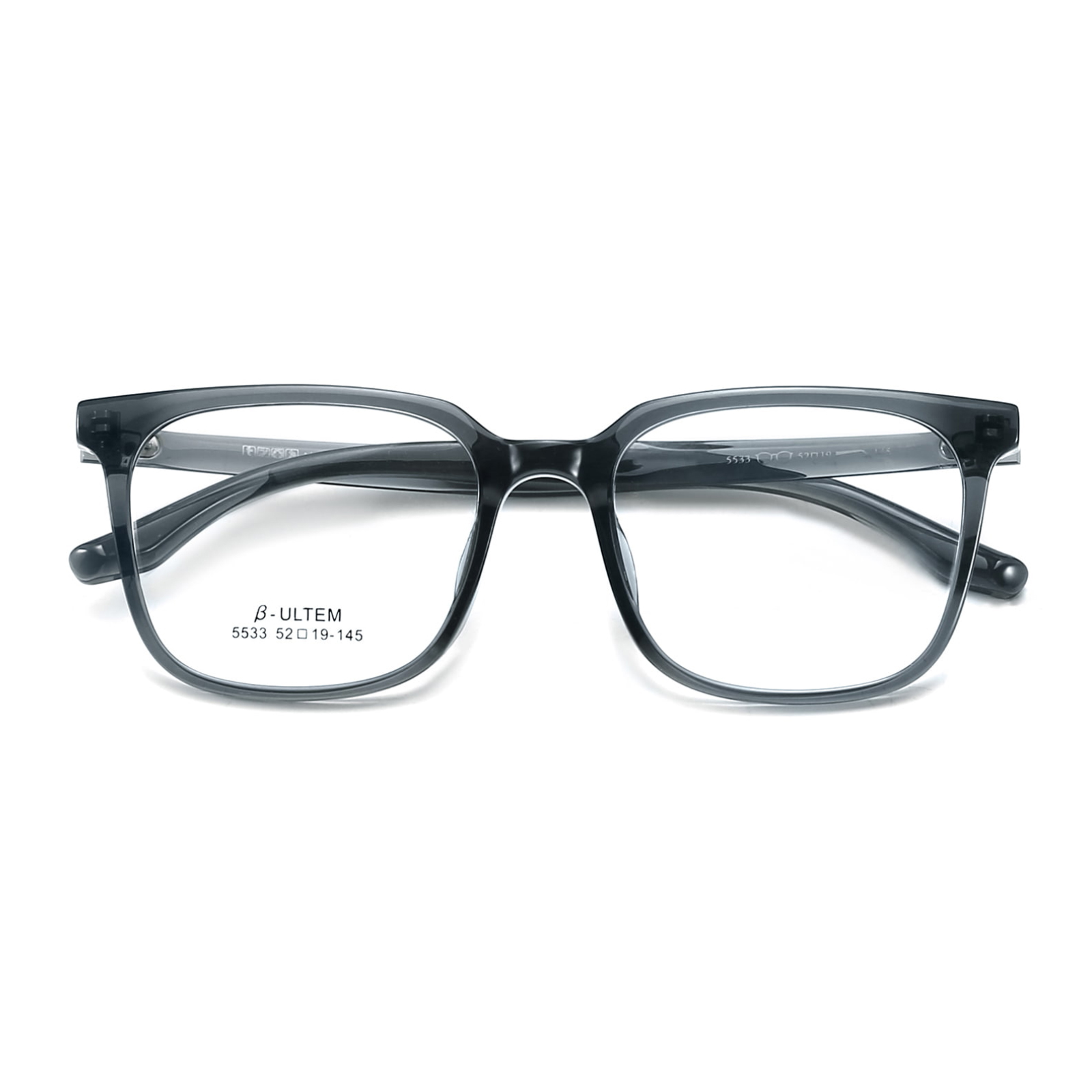
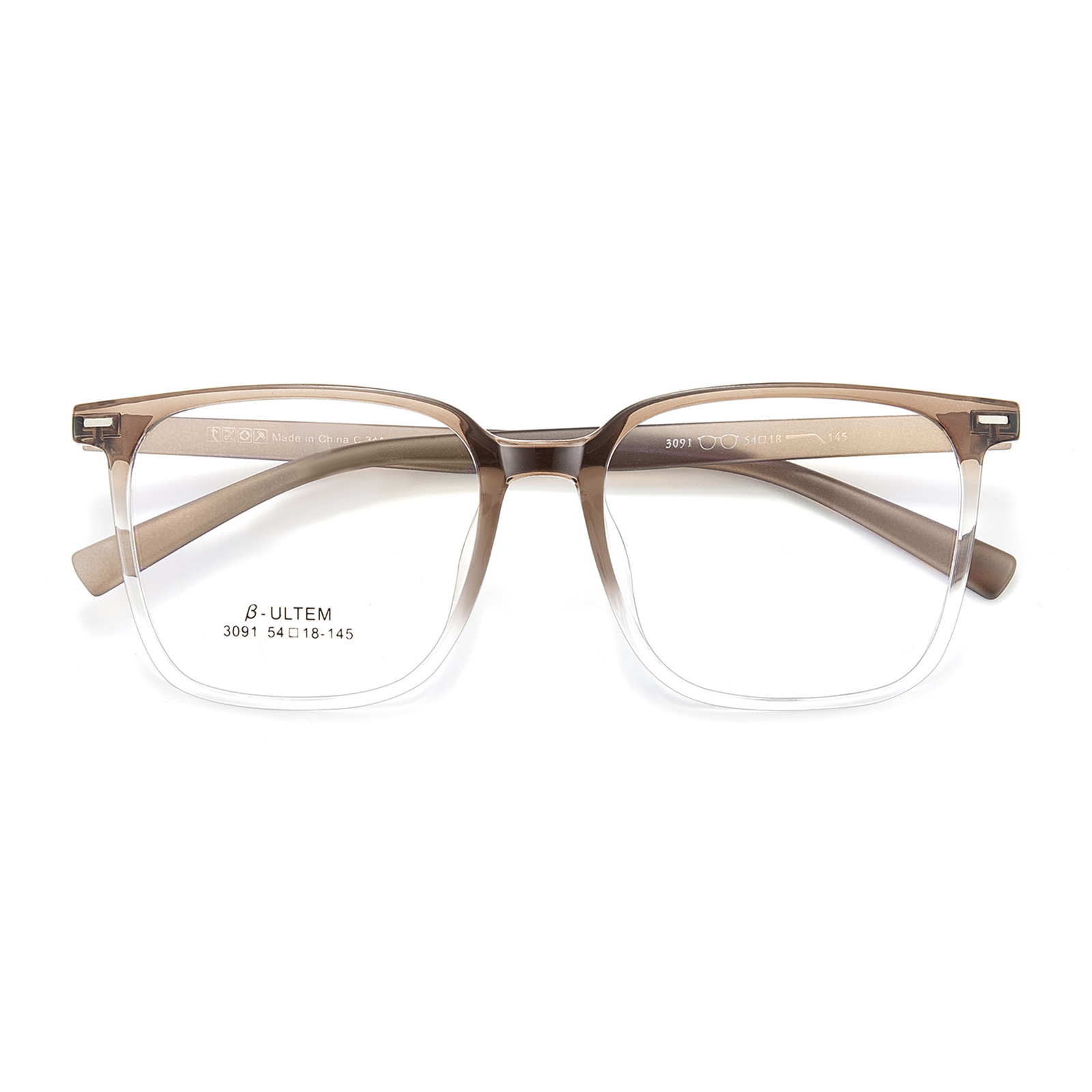
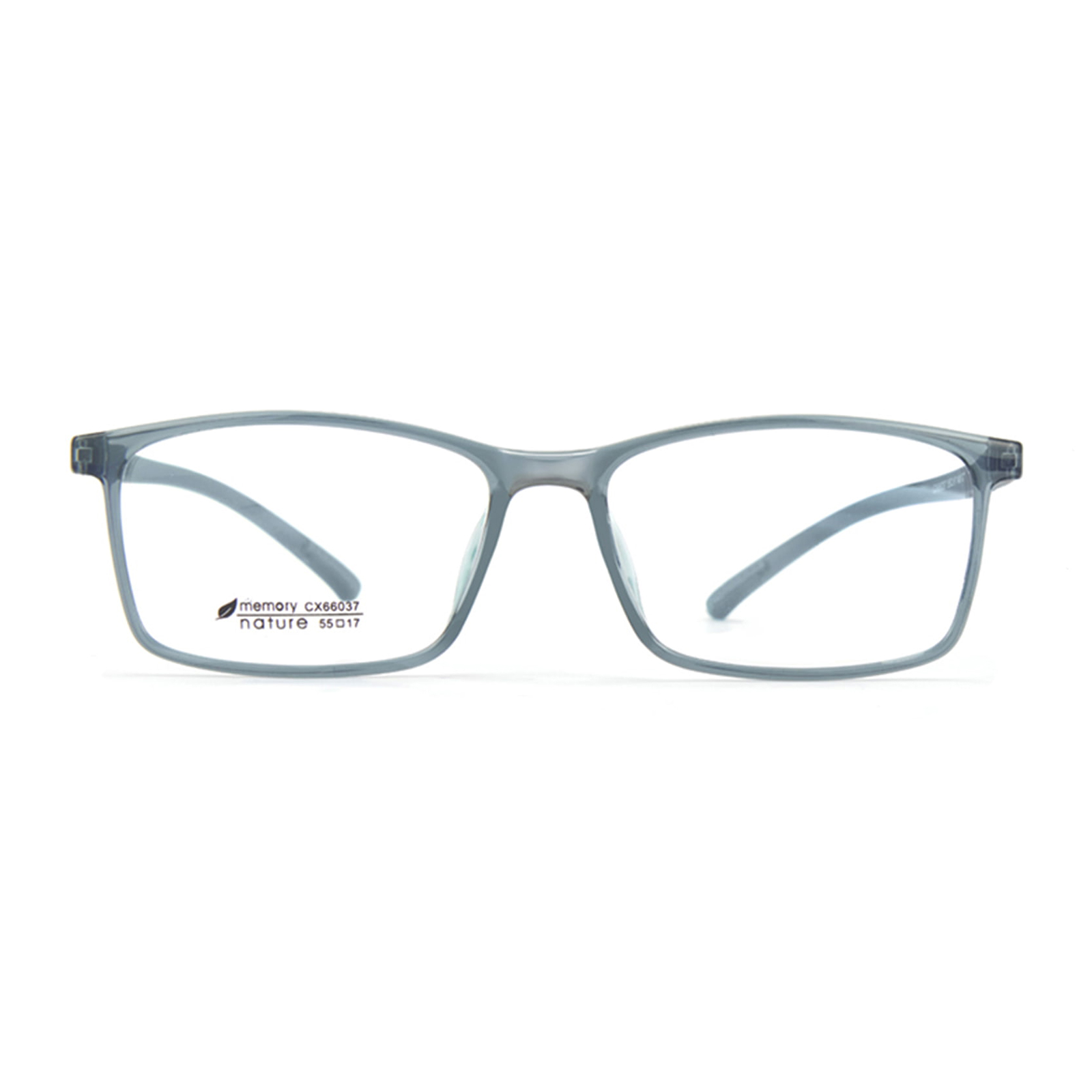
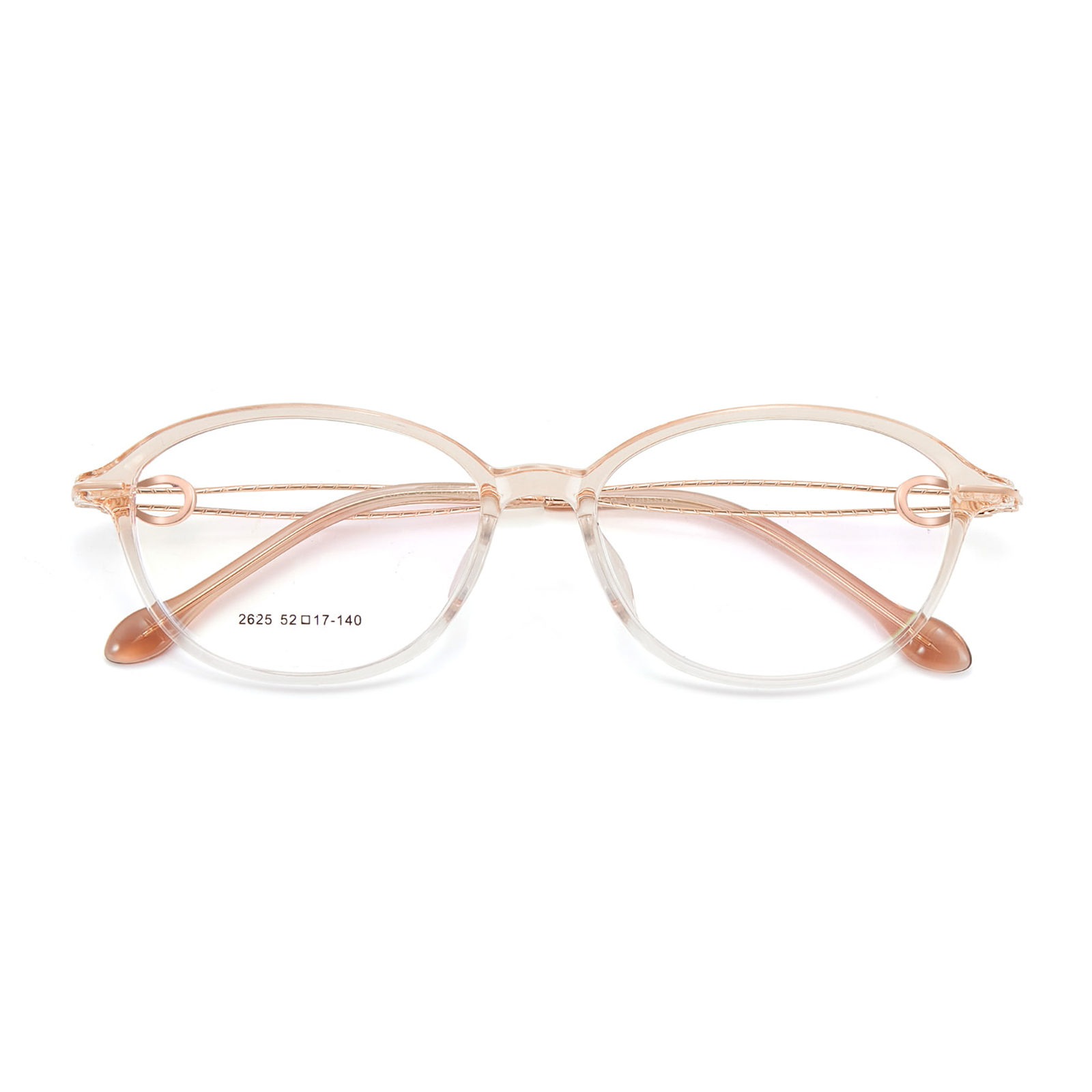
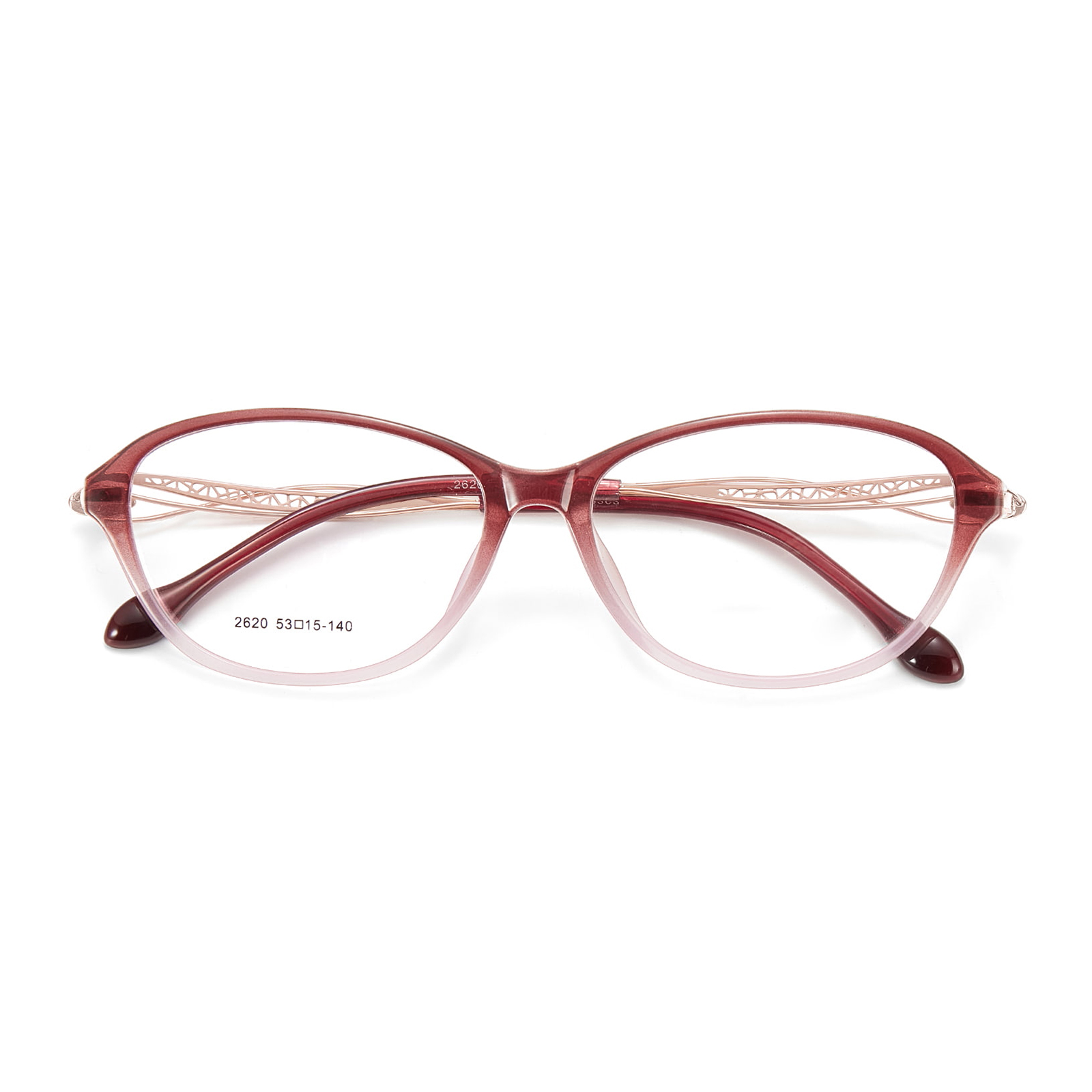
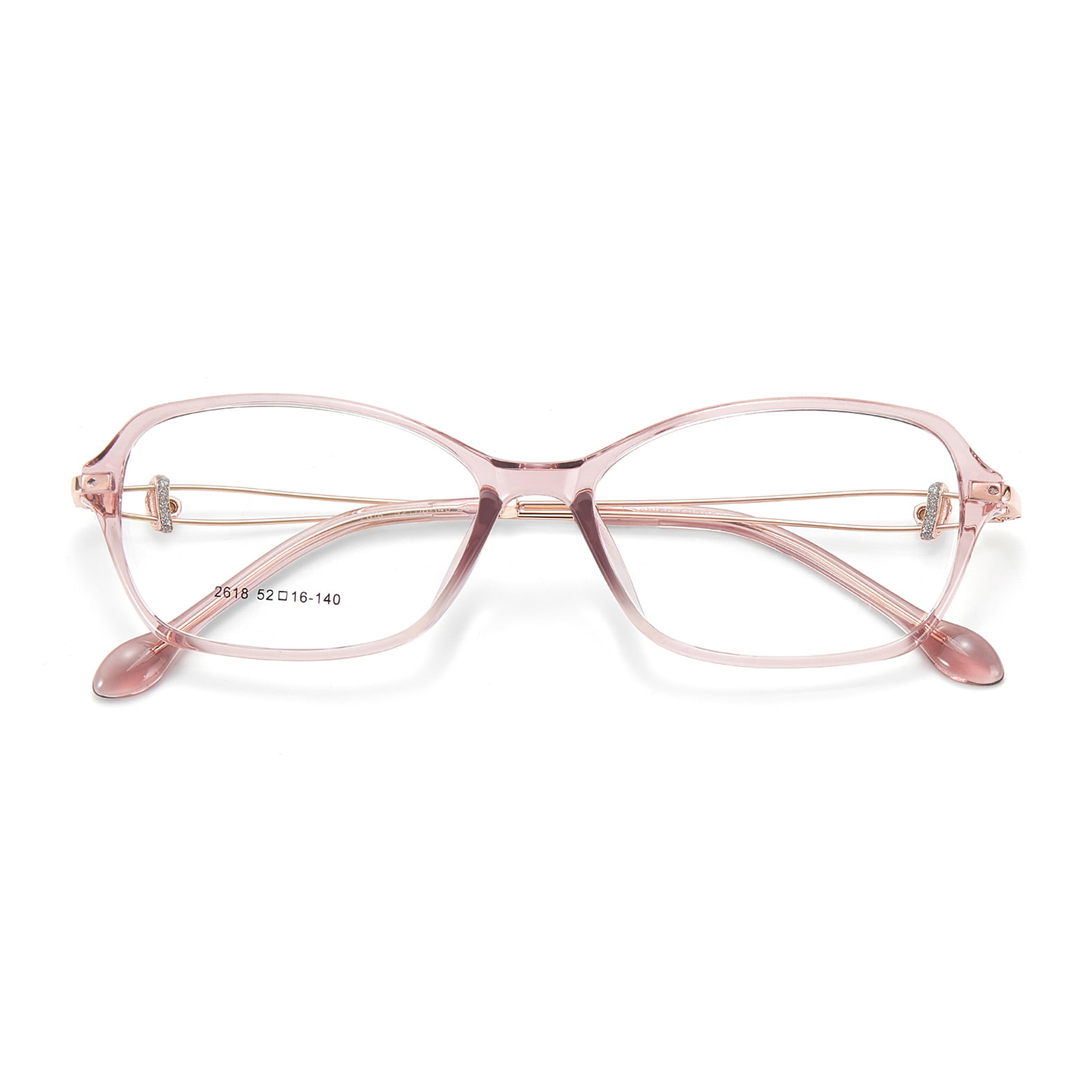
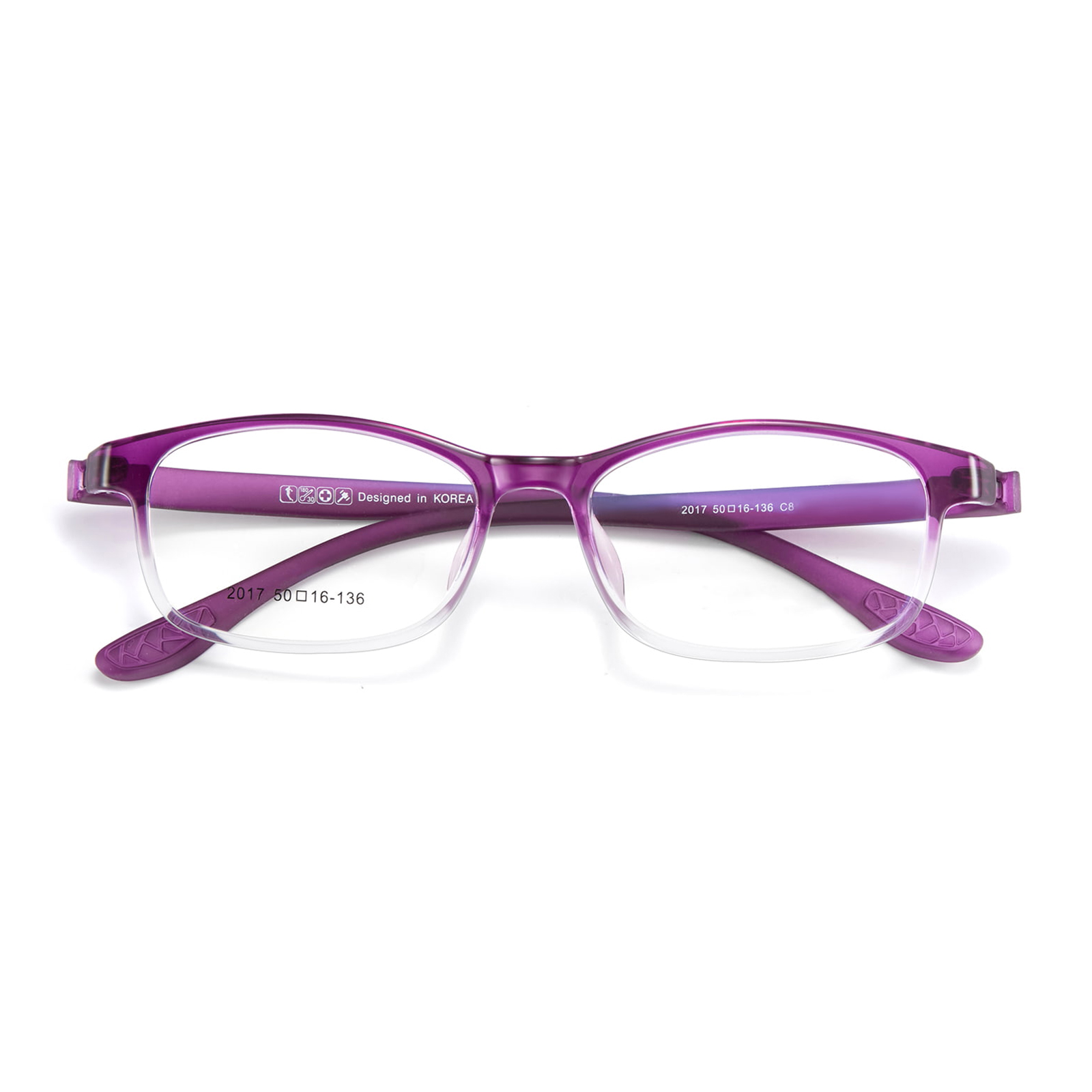
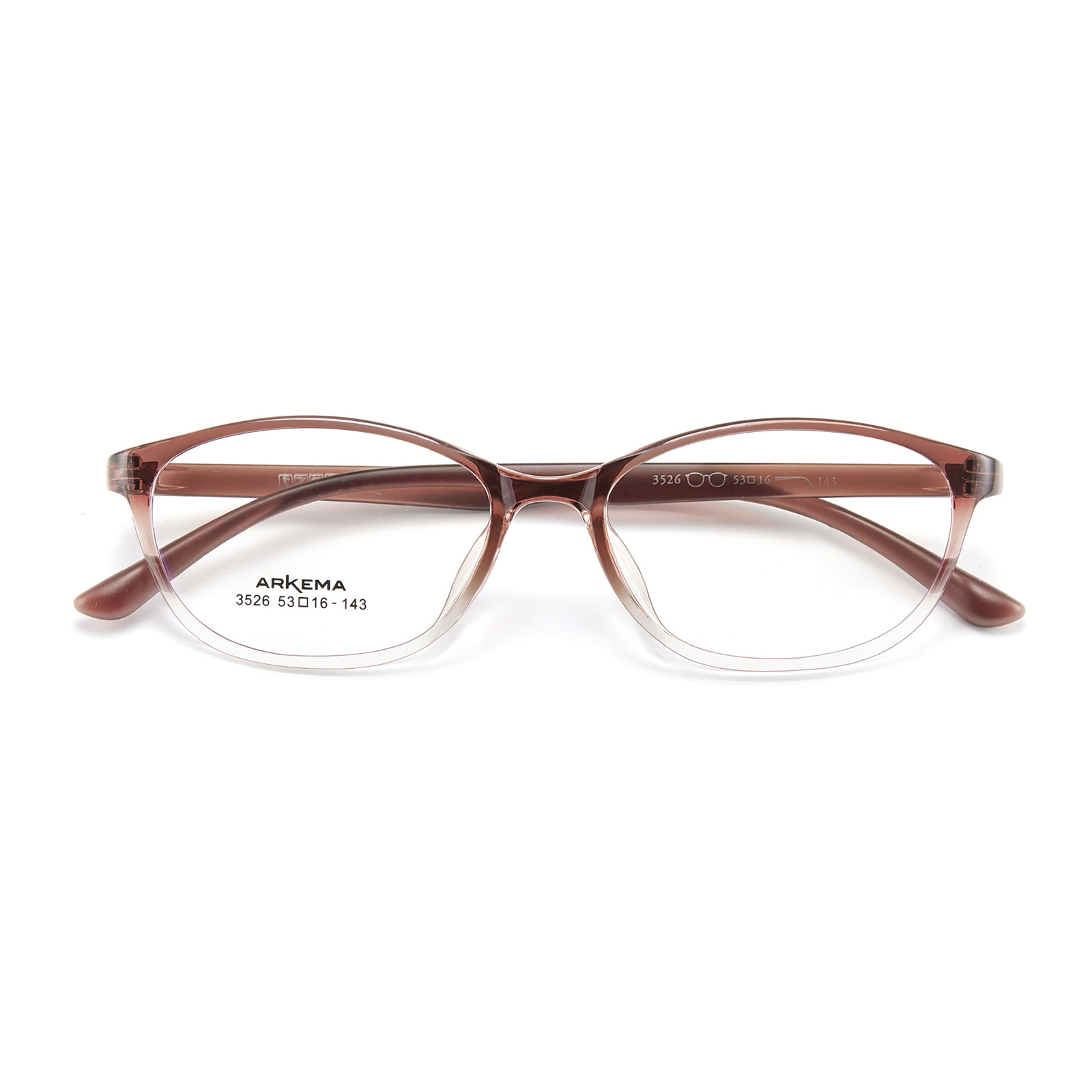
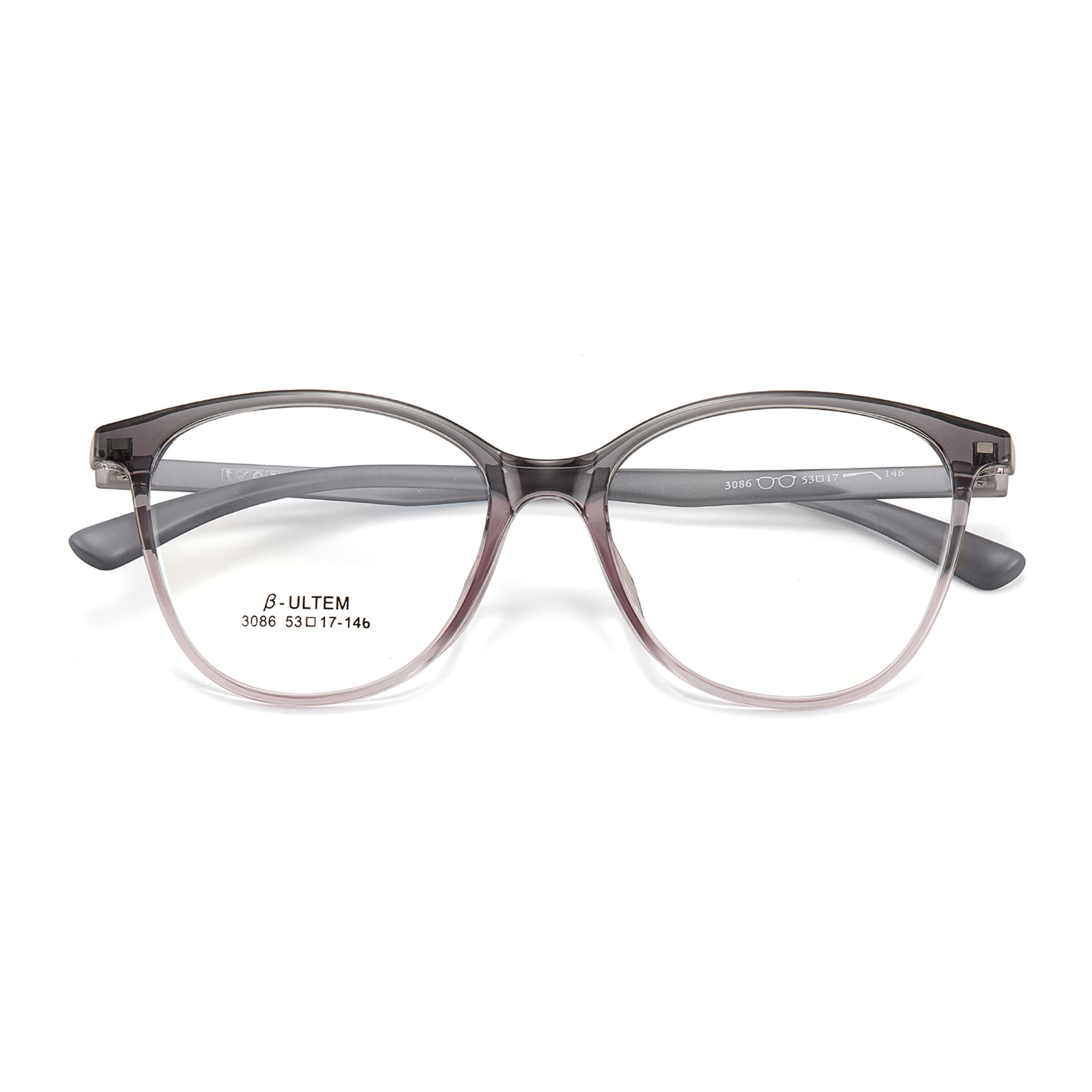
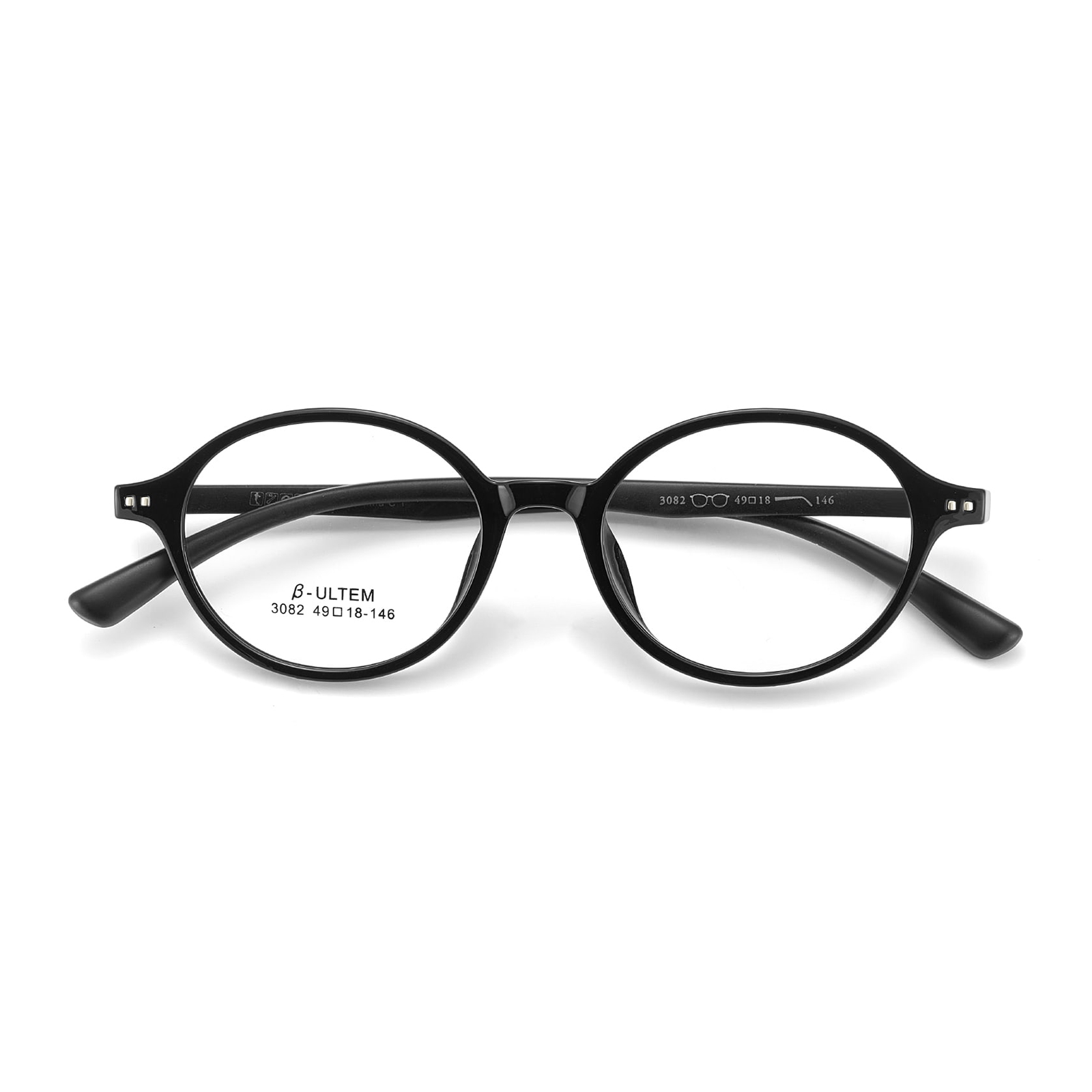
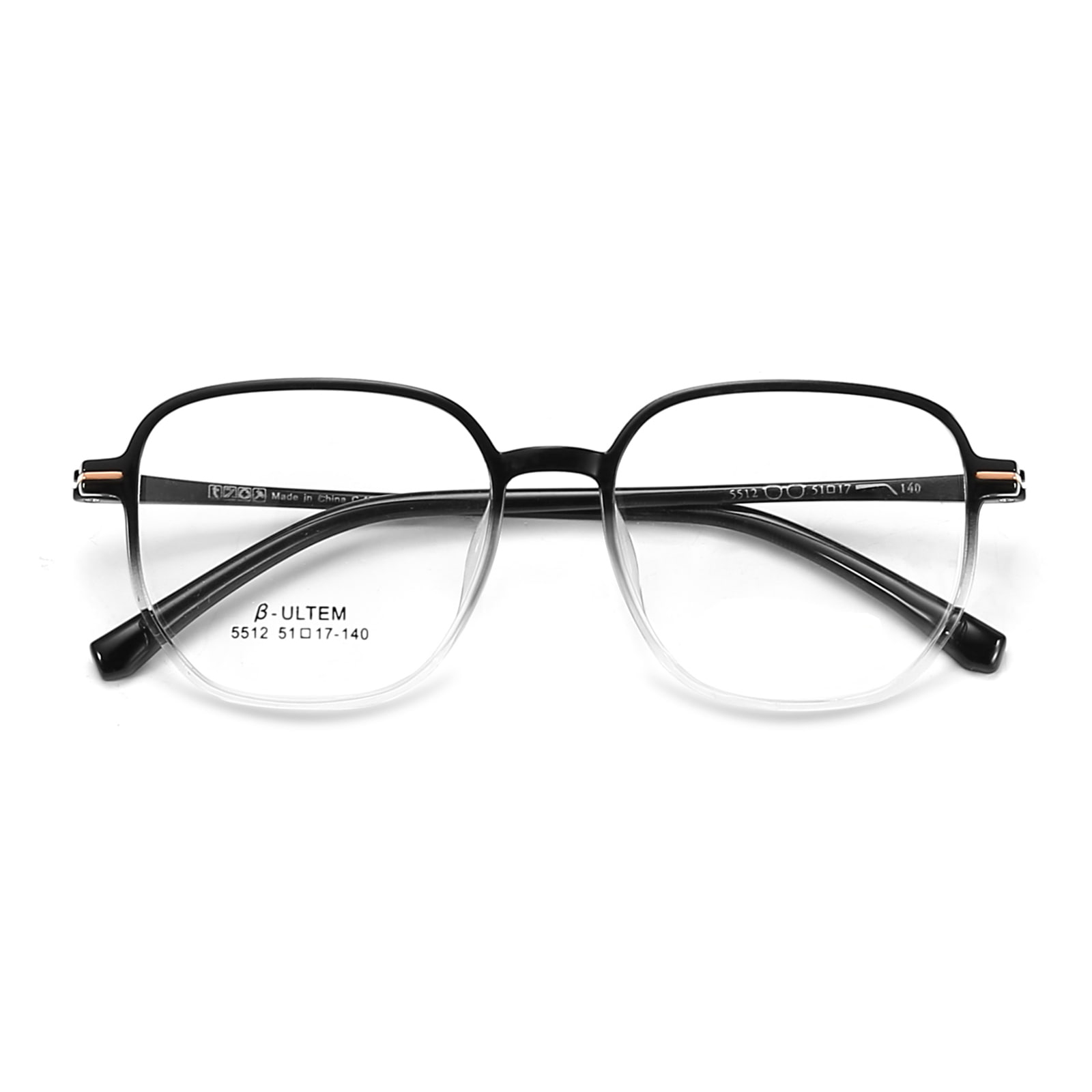
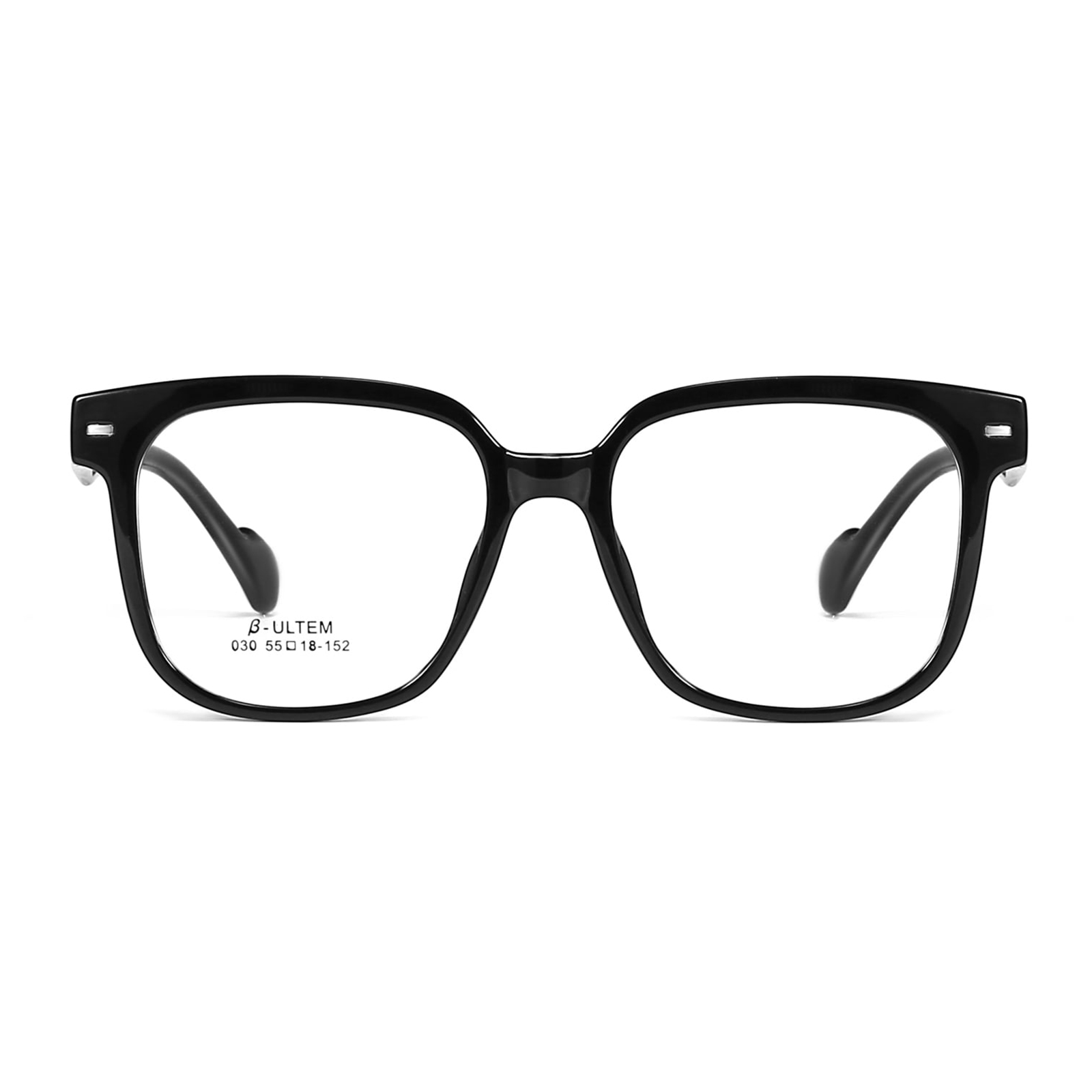

Beyond the Glasses, Beyond the Vision
Zhenjiang Guoda Optical Technology Co., Ltd. is China Custom Prescription Eyewear Frames Manufacturers and Prescription Glasses Frames Factory, established in 2012, is located in the hometown of China's eyewear - Danyang City, Zhenjiang City, Jiangsu Province, China. 2020, the company's new expansion of four modern factories, covering an area of 12,000 square metres, with more than 200 professional staff, with advanced production equipment and stringent quality control standards, to provide customers around the world with high-quality eyewear products. We offer Spectacle Frames for Men/Women/Kids for sale.
Honor
-
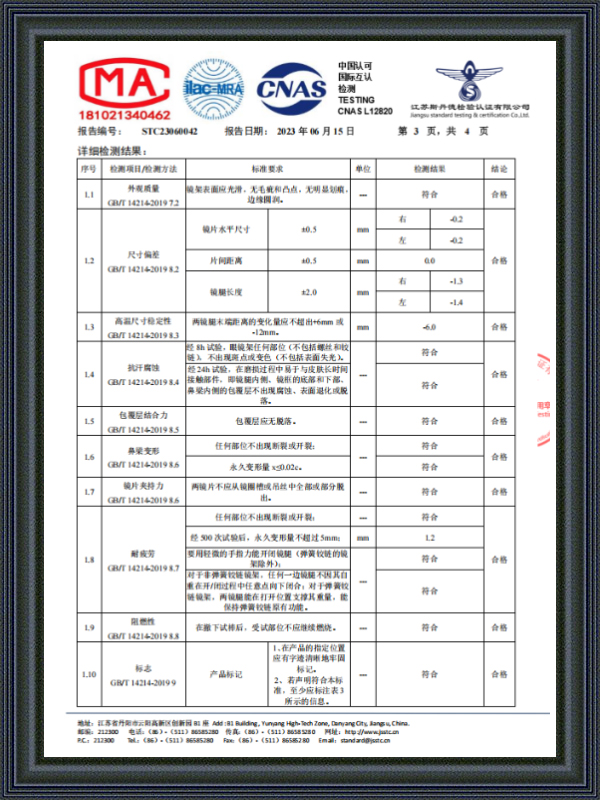 Test Report
 -
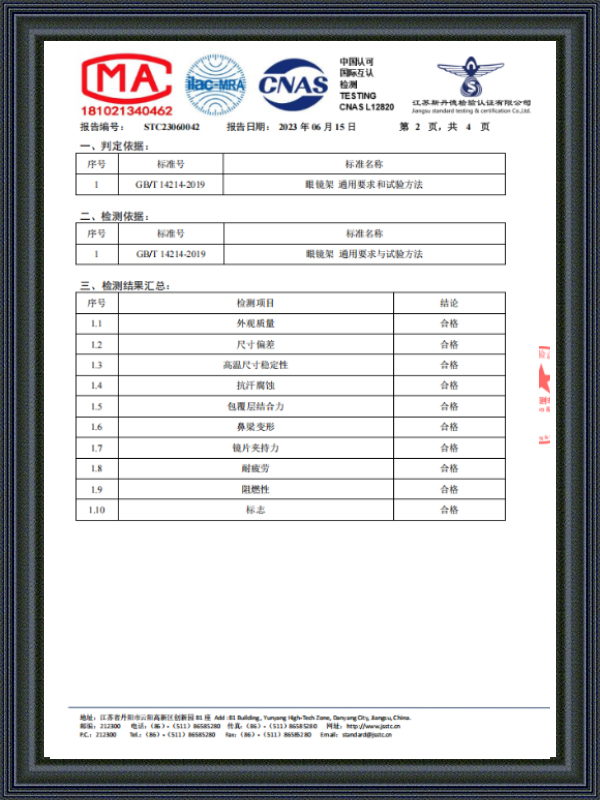 Test Report
 -
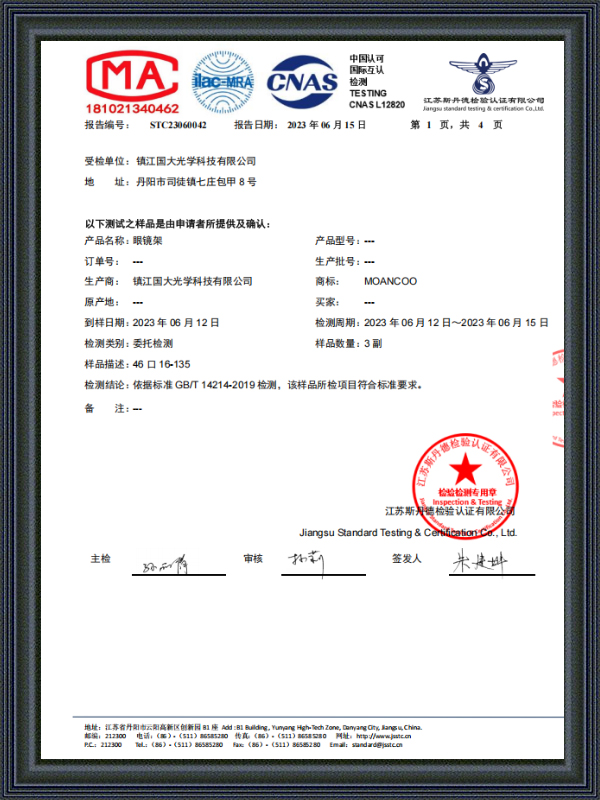 Test Report
 -
 Test Report
 -
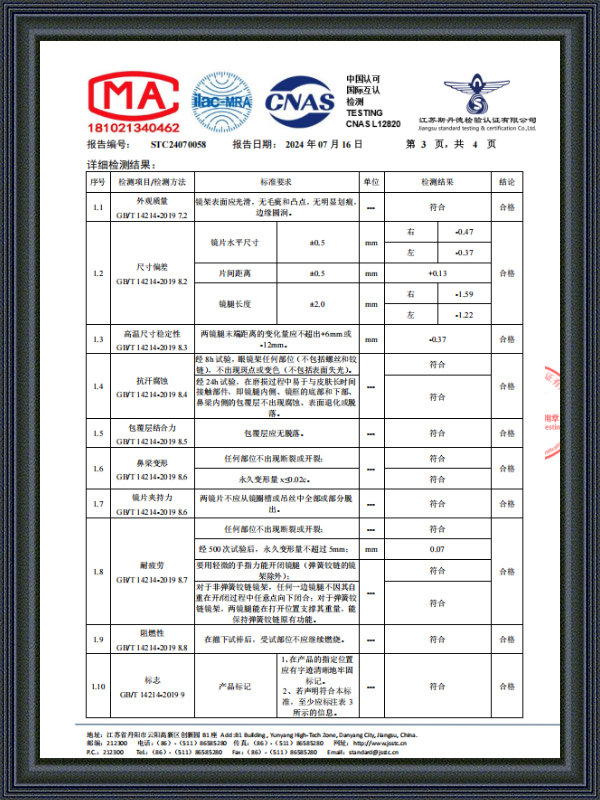 Test Report
 -
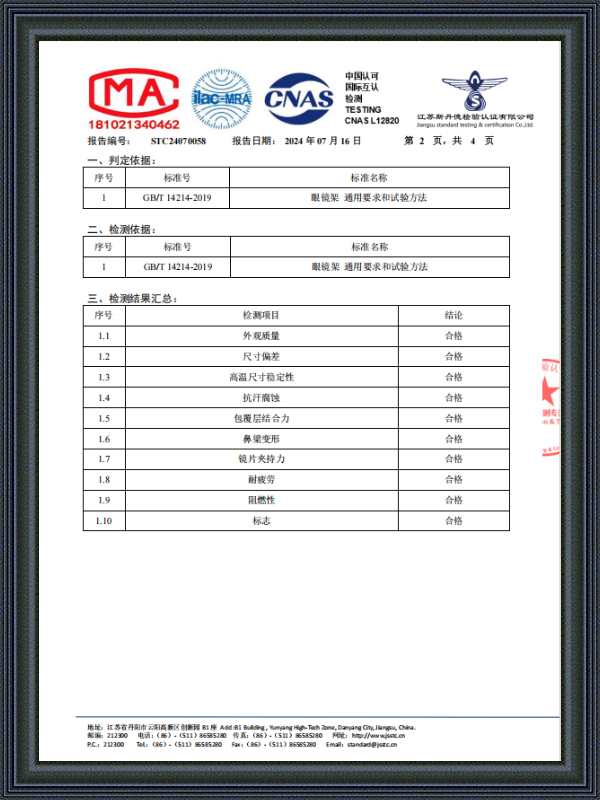 Test Report
News
-
Industry News 2026-07-01
For individuals seeking a balance of long-lasting resilience and sophisticated aesthetics, metal eyeglasses are the superior choice. Unlike acetate or other plastics, metal frames offer a higher strength-to-weight ratio, allowing for sleek, thin profiles that remain incredibly sturdy. They are the go-to option for pro...
View More -
Industry News 2026-06-22
Acetate glasses stand as the premier choice for premium eyewear due to their exceptional durability, lightweight comfort, and limitless color versatility. Unlike cheap petroleum-based plastics, acetate is a plant-based material derived from natural cotton fibers and wood pulp, making it hypoallergenic, highly adjustab...
View More -
Industry News 2026-06-15
Do Blue Light Blocking Glasses Work? Yes, blue light blocking glasses are effective for alleviating digital eye strain and preventing artificial light from disrupting your sleep cycle. While they are not a magical cure for all vision problems, they serve as a practical and proactive shield against the specific hazards...
View More
Contact us now
Product Industry Knowledge
What are the most durable materials for prescription eyewear frames?
When selecting new prescription eyewear frames, style and fit are often the first considerations. However, the material of the frame is arguably the most critical factor determining its longevity, comfort, and overall value. The choice of material impacts not only how the frames withstand daily wear and tear but also how they feel on your face throughout the day. For anyone seeking a reliable pair of prescription glasses frames, understanding the properties of different frame materials is essential.
The foundation of frame durability
Durability in prescription eyewear frames is a multi-faceted concept. It encompasses a material’s resistance to bending and breaking, its ability to retain its shape over time, and its resilience against corrosion, moisture, and daily friction. A truly durable frame is one that maintains its structural integrity and appearance through years of use. The pursuit of such durability begins long before a frame reaches the consumer; it is rooted in a manufacturer’s commitment to a complete industrial chain with stringent quality control at every step, from raw material selection to final product packaging. Advanced production lines dedicated to specific materials like alloy, TR90, and pure titanium are fundamental to ensuring that the inherent properties of each material are fully realized and optimized in the final product.
An in-depth look at high-performance frame materials
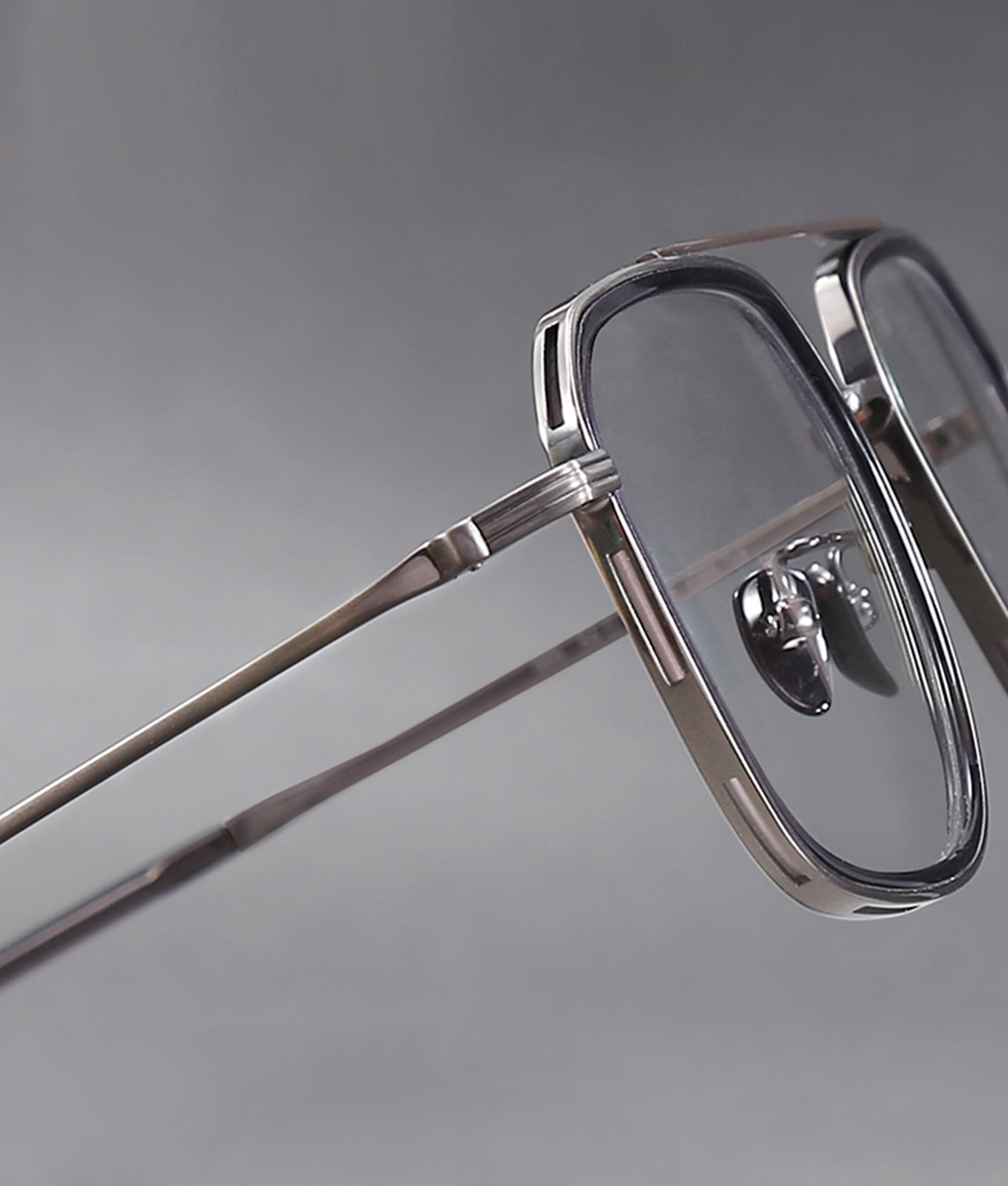
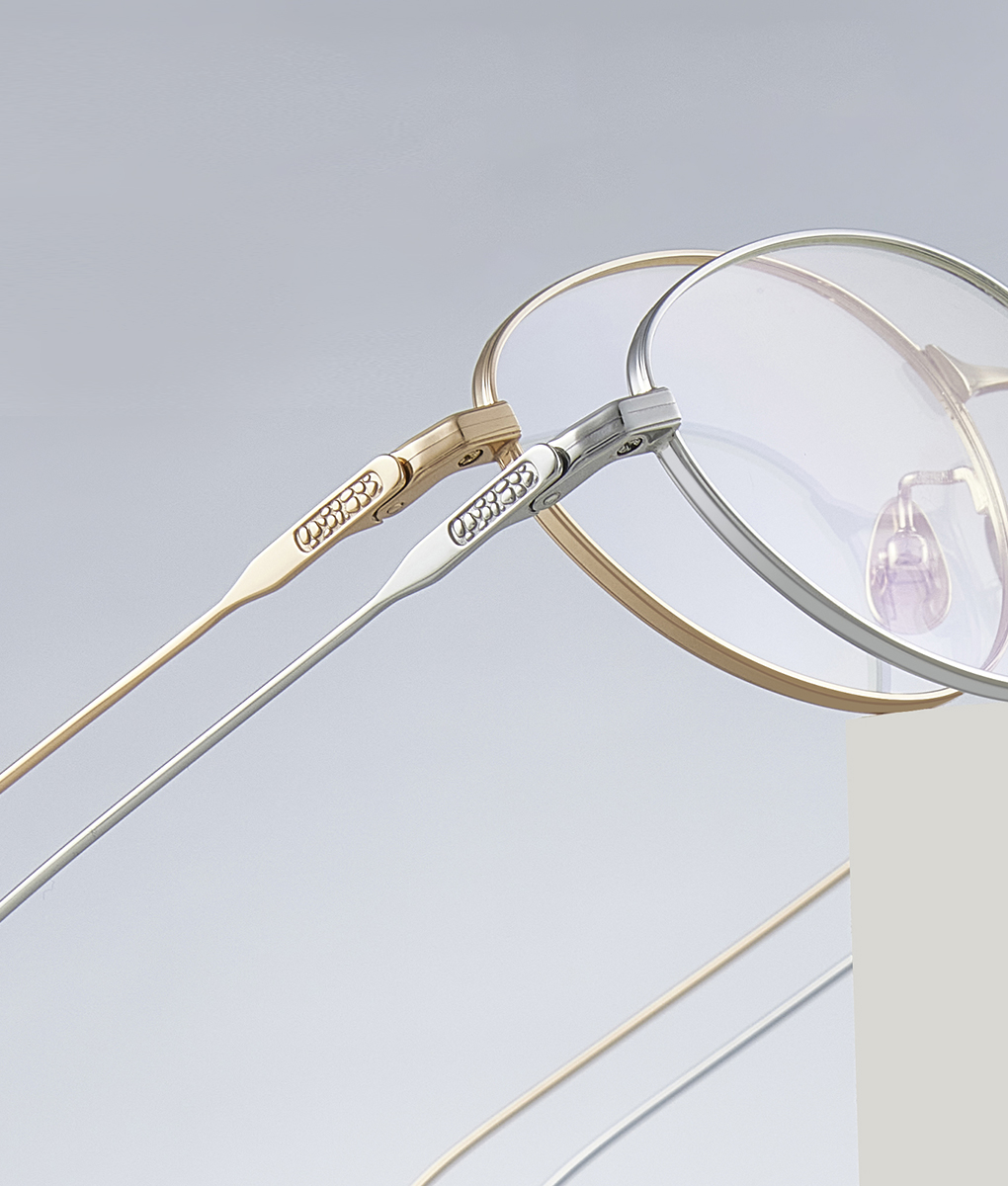
The market offers a variety of materials for prescription glasses frames, each with distinct advantages. The most durable options typically include titanium and its alloys, advanced plastics like TR90 and optyl, and high-quality metals such as aluminium-magnesium alloys. The manufacturing process plays an equally important role, where precision engineering enhances the innate strength of these raw materials.
Titanium: The pinnacle of strength and corrosion resistance
Titanium is widely regarded as one of the premier materials for high-end prescription eyewear frames due to its exceptional properties.
- Pure Titanium: Frames made from pure titanium are remarkably strong yet incredibly lightweight, offering superior comfort for all-day wear. They are highly resistant to corrosion, meaning they will not rust or tarnish when exposed to sweat or moisture. This makes them an excellent choice for individuals with active lifestyles or sensitive skin. The integrity of pure titanium frames is often secured through exclusive seamless welding processes, which enhance durability by eliminating weak points at the joints.
- Beta Titanium: This is an alloy of titanium that incorporates other metals like vanadium and aluminum. Beta titanium retains the hypoallergenic and corrosion-resistant nature of pure titanium but gains significantly greater flexibility. This allows the frames to be bent and adjusted repeatedly without weakening, making them less likely to break from accidental drops or adjustments. This flexibility is particularly beneficial for ensuring a perfect, secure fit over many years.
The manufacturing of titanium frames requires specialized precision equipment. High-precision CNC cutting equipment ensures each component, from the bridge to the temples, is accurately sized. Furthermore, finishing processes like bright tumbling for over 10 hours create a smooth, uniform surface that enhances both the gloss and the tactile feel of the frame.
TR90: The resilient and flexible plastic
For those seeking extreme flexibility and impact resistance, TR90 (Grilamid) is a top contender. This polymer-based frame is a type of thermoplastic polyamide that is both lightweight and exceptionally durable.
- Superior Flexibility: The defining characteristic of TR90 is its ability to return to its original shape after being twisted or bent. This “memory” property makes it virtually unbreakable under normal conditions, an ideal feature for spectacle frames for kids or for use in sports eyewear.
- Lightweight Comfort: TR90 is one of the lightest frame materials available, often making the frames so comfortable that the wearer forgets they have them on. The material is also hypoallergenic, making it suitable for all skin types.
The production of TR90 frames involves precision molding to ensure the frame conforms perfectly to ergonomic design curves. The material’s inherent properties are complemented by surface treatments, which can include textured finishes achieved through sandblasting or vibrant, durable colouring.
Aluminium-Magnesium Alloys: Modern and robust
Aluminium-magnesium alloys represent a modern choice for prescription eyewear frames, offering a unique blend of contemporary aesthetics and structural strength.
- Strength and Stability: These alloys provide excellent structural rigidity, meaning the frames hold their shape exceptionally well over time. They are highly resistant to corrosion, similar to titanium, but often at a more accessible price point.
- Lightweight and Aesthetic: While robust, aluminium-magnesium frames remain lightweight. They are particularly valued for their modern, minimalist aesthetic, often featuring sleek lines and matte textures achieved through advanced surface treatments like sandblasting.
The manufacturing process for these frames often utilizes high-precision CNC cutting and engraving machines to create intricate and detailed designs. The subsequent finishing, including hydraulic press embossing for complex patterns and vacuum plating for colour, ensures a high-quality, durable finish that is both scratch-resistant and oxidation-resistant.
Stainless Steel and Monel: The classic metal workhorses
Stainless steel and its alloy cousin, Monel, have been staples in the eyewear industry for decades due to their reliable performance.
- Stainless Steel: Known for its excellent strength and corrosion resistance, stainless steel is a cost-effective and durable option for prescription glasses frames. It can be crafted into thin, elegant designs without sacrificing strength.
- Monel: This nickel-copper alloy is prized for its superior weldability and resistance to corrosion. It is malleable, allowing for easy adjustment by opticians, and maintains its strength over a long period.
The durability of these metal frames is significantly enhanced by precise manufacturing techniques. Automatic welding machines, utilizing high-frequency and laser technology, ensure that joints are highly accurate, firm, and durable. Post-welding, frames undergo a deacon process where they are manually fine-tuned to ensure all parts are closely articulated without looseness. A multi-stage tumbling process, beginning with a rough tumble to remove burrs and culminating in a bright tumbling process, smooths the surface and enhances its gloss and uniformity.
Acetate: The high-quality aesthetic choice
While sometimes perceived as less durable than metals, high-grade acetate is a plant-based plastic that offers significant durability and immense aesthetic versatility.
- Dimensional Stability: Unlike some cheaper plastics, acetate is a sheet-based material that is resistant to warping over time. It is less brittle than standard plastic, making it less prone to snapping.
- Aesthetic Versatility: Acetate allows for a vast range of colours, patterns, and translucencies. It can be layered to create unique depth and polished to a high-gloss finish that retains its shine. This makes it a popular choice for both classic and fashion-forward spectacle frames for men and women.
The craftsmanship involved in acetate frames is crucial to their durability. Precision cutting and bending/moulding ensure the frame’s design curve is accurate and stable. The surface is then polished to a smooth finish, enhancing both comfort and texture. For added durability and style, complex patterns can be embossed onto the surface using a hydraulic press.
The critical role of manufacturing and quality control
The inherent properties of a material are only one part of the durability equation. The manufacturing process and quality control standards are what truly unlock a material’s potential and ensure the longevity of the final product. A manufacturer’s capability to operate dedicated production lines for different materials is a key indicator of quality. For instance, a factory with separate lines for alloy, TR90, and pure titanium can apply specialized knowledge and processes to each material, optimizing its performance.
Precision machining is non-negotiable. Equipment such as high-precision CNC machines, automatic gong cutting machines, and hydraulic presses ensure that every component is cut, shaped, and textured with extreme accuracy. This precision directly impacts the frame’s structural integrity, comfort, and how well it holds together over time. Furthermore, advanced welding techniques, including seamless welding for titanium, create strong, inconspicuous joints that are far less likely to fail.
Finally, a rigorous QC quality inspection protocol is the final safeguard. This involves testing each pair of frames for size conformity, colour and texture consistency, and the stability of all accessory connections. This ensures that every pair of prescription eyewear frames leaving the facility complies with national and industry standards, providing the customer with a reliably durable product.
Products

- Contact us
-
-
 +86-13706101351 +86-15262961108
 -

-
 Changwan West Road, Danyang Economic and Technological Development Zone, Danyang City, Zhenjiang City, Jiangsu Province, China.
- Product Categories
- Adult Optical Glasses
- Children's Optical Glasses
- Sunglasses
- Follow us
-


-
 +86-13706101351
 -

- TOP