English
  عربى
عربى 
Previous Post
With the changes in modern lifestyles and the widespread use of electronic devices, vision problems have gradually become a focus of public attention. Prescription glasses, as an important tool for daily vision correction, are no longer just a functional item, but also incorporate the essence of technology and personalized design. Whether it's nearsightedness, farsightedness, or astigmatism, scientifically prescribed glasses can provide a comfortable and precise visual experience.
What are prescription glasses?
Prescription glasses are custom-made glasses based on a prescription provided by a professional ophthalmologist or optometrist. The prescription includes detailed parameters such as power, axis, and astigmatism, ensuring that the wearer obtains the best visual effect in daily life. Unlike ordinary ready-made glasses, prescription glasses are customized for each individual's visual characteristics, and their precision directly affects the wearer's visual clarity and comfort.
Prescription glasses are not only a tool for correcting vision, but also play an important role in protecting eye health. High-quality lenses can effectively block harmful blue light and ultraviolet rays, and reduce glare interference, thereby reducing eye fatigue and preventing long-term vision deterioration.
Lens Materials and Technology
The core of prescription glasses lies in the lenses. The lens material directly affects weight, durability, and optical performance. Common materials include resin lenses, glass lenses, and high-refractive-index lenses. Resin lenses are widely used for daily wear due to their lightweight and excellent impact resistance; glass lenses are known for their superior optical performance and wear resistance, but are heavier; high-refractive-index lenses can achieve high correction while maintaining a thin design, making them an ideal choice for those with high myopia.
Modern prescription eyeglass lenses incorporate a variety of technologies in the manufacturing process, such as anti-reflective coatings, anti-scratch treatments, photochromic lenses, and anti-blue light coatings. These technologies not only improve the visual experience but also enhance the durability and functionality of the lenses. In particular, anti-reflective coatings can significantly reduce glare during night driving and when using electronic screens, improving visual clarity.
Frame Design and Wearing Comfort
In addition to the lenses, the design of the eyeglass frame is equally crucial. The frame of prescription glasses not only determines wearing comfort but also affects overall aesthetics and durability. High-quality frames typically utilize lightweight materials such as titanium alloy, TR90 resin, or stainless steel, balancing durability and comfort. Frame design also considers nose bridge shape, facial proportions, and temple length to ensure comfortable wear without pressure points or slippage.
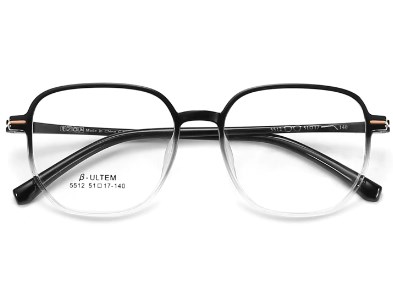
With increasing demand for personalization, modern prescription glasses prioritize a combination of fashion and function in their design. Adjustable nose pads, flexible temples, and modular structures allow glasses to adapt to different wearing situations, enhancing the overall wearing experience.
Optical Precision and Visual Experience
The precision of prescription glasses directly determines the quality of the visual experience. The accuracy of the eye examination results, lens manufacturing precision, and frame assembly precision are all influencing factors. High-precision prescription glasses provide clear, distortion-free vision while maintaining a comfortable focal length and field of view. Especially for wearers with astigmatism, presbyopia, or high myopia, high-precision lenses can significantly improve visual quality and reduce discomfort such as eye strain and headaches.
With the popularization of progressive multifocal lenses and customized lenses, prescription glasses offer a more natural transition between near and far vision. Progressive lenses provide a smooth transition based on the wearer's visual needs, eliminating the need for frequent glasses changes and enabling comfortable all-day wear.
Personalized Customization and Innovation Trends
Modern prescription glasses not only focus on functionality but also on personalization and customization. Lens thickness, color, frame style, and special coatings can all be customized according to individual needs. This personalized design not only enhances the wearing experience but also makes glasses an important accessory for expressing personal style.
In terms of technological innovation, smart prescription glasses are gradually entering the market, including built-in sensors, Bluetooth connectivity, and automatic light adjustment functions, providing wearers with more convenient visual management. While smart features are an added bonus, the core value of prescription glasses remains in accurate correction and comfortable wear.
FAQ: Common Questions about Prescription Glasses
Q: What is the difference between prescription glasses and regular glasses?
A: Prescription glasses are customized based on professional eye examination results and can accurately correct vision, while regular glasses are usually standard prescriptions or ready-made glasses and cannot meet individual visual needs.
Q: Does the lens material affect the visual experience?
A: Yes. Different materials vary in weight, impact resistance, and optical clarity, with high-refractive-index lenses offering higher corrective power while maintaining a thin design.
Q: Is a blue light filtering coating helpful for the eyes?
A: Blue light filtering coatings can reduce the irritation of screen blue light on the eyes and relieve eye strain, but their effectiveness varies depending on the individual and is primarily for supplementary protection.
Q: Are progressive multifocal lenses suitable for everyone?
A: They are suitable for people who need to correct both near and far vision, but an adaptation period may be required initially to get used to the visual transition of the lenses.
Q: How can I ensure comfortable wear of prescription glasses?
A: Choosing a suitable frame, adjusting the nose pads and temple length, and ensuring the precision of lens processing are key factors in ensuring comfortable wear.