English
  عربى
عربى 
Previous Post
When considering eyewear wholesale pricing, understanding the core factors influencing price structures is essential for both retail businesses and wholesalers. The eyewear industry is complex, with various elements affecting the pricing of eyewear products. In this article, we will break down the key factors that influence eyewear wholesale pricing, using detailed insights and a structured approach, addressing each factor and its impact on costs. Additionally, we will explore related topics such as bulk purchase discounts, supplier roles, and the latest technological innovations that influence pricing.
1. Understanding the Market Demand for Eyewear
The demand for eyewear is one of the most significant factors affecting its wholesale price. High demand can lead to higher prices, while lower demand may result in discounted prices to move inventory. The type of customer—whether an optician, a retailer, or an online store—also impacts the demand and subsequently the pricing.
Key Aspects to Consider
- The market demand for eyewear wholesale products varies between opticians, retailers, and online stores.
- Health trends, such as an increase in digital device use, often boost demand for glasses, especially blue light-blocking lenses.
- Seasonal demand fluctuations can lead to price changes—higher demand typically drives higher wholesale prices.
Demand Comparison (Opticians vs Retailers vs Online Stores)
| Customer Type | Demand Factors | Impact on Pricing |
| Opticians | Consistent demand for prescription eyewear | Moderate prices with some flexibility based on prescription types |
| Retailers | Varying demand, influenced by fashion trends and seasons | Higher prices for fashionable or branded eyewear, but bulk discounts are possible |
| Online Stores | Growing demand for affordable and trendy eyewear | Lower prices, with occasional promotions or discounts, to attract consumers |
2. Quality and Types of Eyewear: The Impact on Pricing
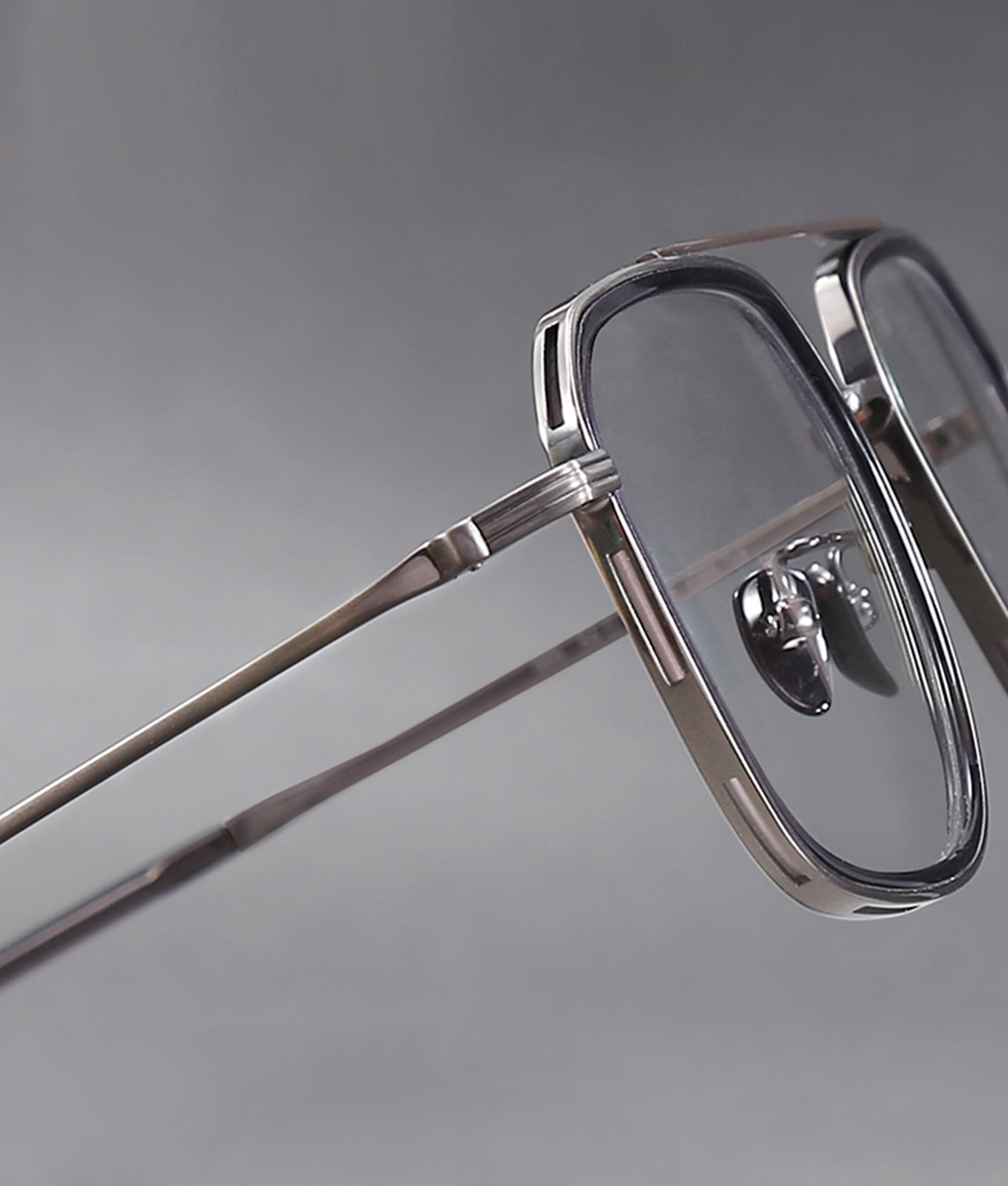
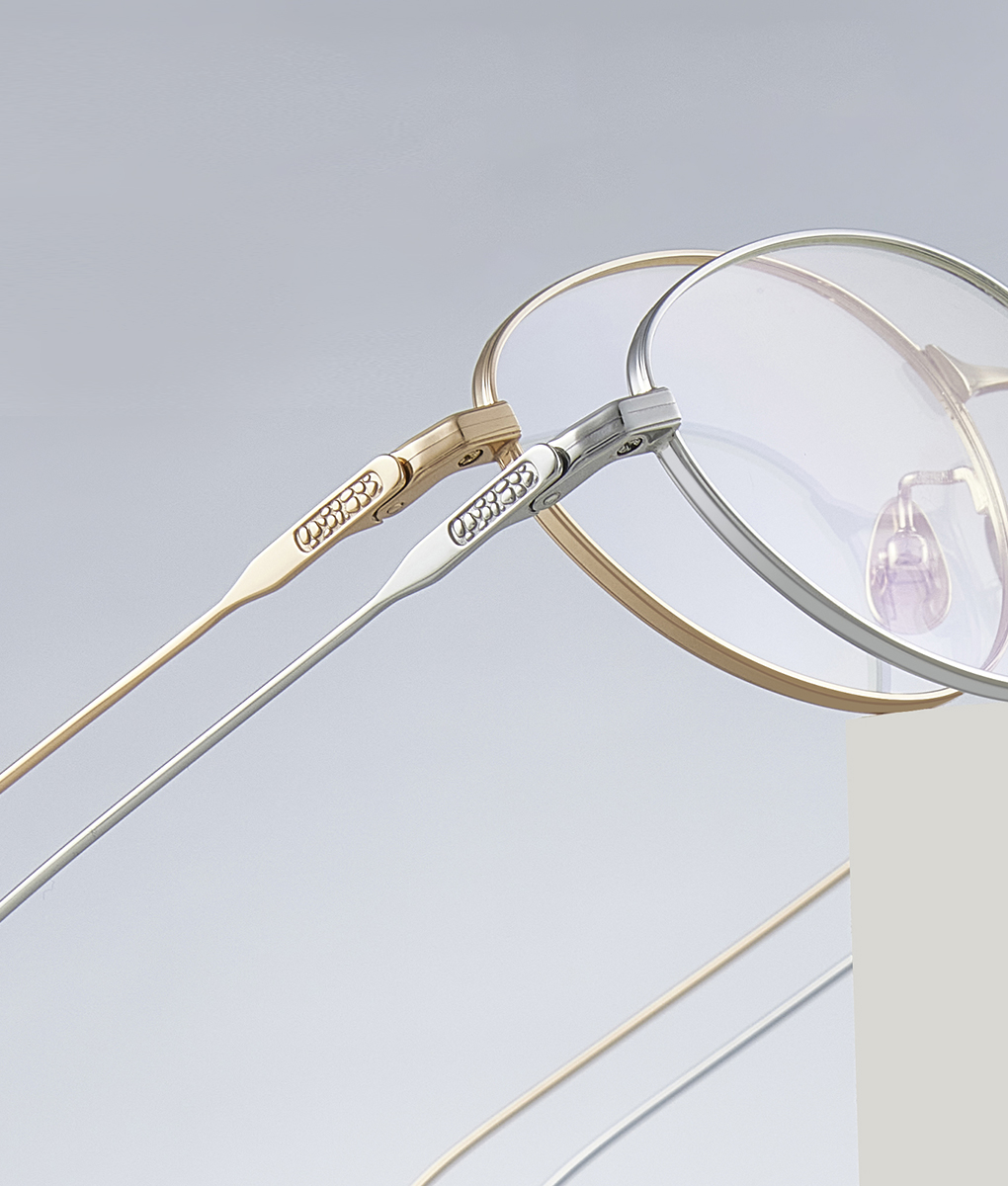
The materials and quality of eyewear significantly impact wholesale pricing. Premium materials like titanium or high-end plastic increase manufacturing costs, which are reflected in the wholesale prices.
Types of Eyewear and Their Pricing Impact
- Prescription eyewear wholesale prices tend to be higher due to the precision and personalization involved in production.
- Fashion eyewear and non-prescription glasses are typically more affordable, as they focus on aesthetics rather than function.
- Specialized lenses, such as anti-glare or photochromic lenses, further increase the cost of eyewear products.
3. Wholesale Quantity and Bulk Purchase Discounts
The quantity purchased directly affects the wholesale price. Bulk purchasing often leads to discounts, which is advantageous for larger retailers or chains looking to buy large volumes.
How Bulk Purchases Affect Eyewear Wholesale Pricing
- Larger orders allow wholesalers to offer significant discounts, lowering the price per unit.
- For eyewear wholesale to online stores, purchasing in bulk helps manage overheads and pass savings on to customers.
- Smaller quantities, on the other hand, may incur higher unit prices due to the lack of economies of scale.
Bulk Purchase vs. Small Orders
| Order Type | Discounts/Prices | Profit Margin Impact |
| Large Orders (Bulk) | Lower per unit cost, greater discount | Higher profit margins for wholesalers |
| Small Orders | Higher per unit cost, no bulk discount | Lower profit margins for wholesalers |
4. The Role of Supplier and Distribution Channels in Pricing
The supplier’s location and distribution channels significantly influence the final price of eyewear. Wholesalers often adjust their prices based on supply chain efficiency, shipping costs, and availability.
Supplier and Distribution Factors
- Suppliers located closer to manufacturing hubs may offer more competitive pricing due to lower shipping and handling costs.
- Wholesale eyeglasses suppliers for opticians often have tailored offerings that reflect specialized services and product types, potentially raising costs.
- Global shipping costs and international tariffs may also drive up the final wholesale price for eyewear sold in certain regions.
5. Economic Factors and Market Trends Influencing Eyewear Pricing
Economic conditions such as inflation and fluctuations in raw material costs can affect eyewear pricing. Market trends, including shifts toward affordable eyewear, also influence the wholesale pricing strategies.
Economic Factors at Play
- Changes in the cost of raw materials, such as plastic and metals, have a direct impact on eyewear pricing.
- Inflationary pressures may increase production and shipping costs, which are passed on to wholesale buyers.
- Trends towards more affordable eyewear, such as the rise of budget eyewear brands, can push down overall prices.
6. The Role of Technology in Eyewear Wholesale Pricing
Technological advancements in eyewear manufacturing and sales channels have introduced new dynamics in pricing strategies. Automated manufacturing processes and virtual try-on technologies can lead to more efficient production and lower costs.
Technological Advances and Pricing Effects
- Automated manufacturing processes reduce labor costs, potentially lowering the final price of eyewear.
- Virtual try-on technology, increasingly used by eyewear wholesalers for online stores, allows customers to visualize eyewear without physical trials, reducing overhead and influencing pricing.
Conclusion: Making Smart Purchasing Decisions in Eyewear Wholesale
In summary, the price of eyewear in the wholesale market is determined by various factors, including demand, quality, bulk purchase discounts, supplier logistics, economic trends, and technological innovations. Understanding these factors is crucial for businesses looking to make cost-effective purchasing decisions in the eyewear industry. Retailers, opticians, and online stores can all benefit from carefully considering these elements when negotiating with wholesalers or setting their own retail prices.
Frequently Asked Questions (FAQs)
- What are the main factors affecting eyewear wholesale pricing? - The key factors include demand, quality, purchase quantity, supplier distribution, and economic trends.
- How can I get a discount on eyewear wholesale prices? - Bulk purchasing or negotiating long-term contracts with suppliers often leads to better discounts.
- Why do prescription eyewear wholesale prices differ from non-prescription eyewear? - Prescription eyewear involves more precise manufacturing and customization, increasing the cost.
- Does the quality of eyewear affect wholesale pricing? - Yes, eyewear made from high-quality materials like titanium or specialty lenses is priced higher than basic models.
- How do market trends influence eyewear wholesale pricing? - Trends towards affordable or fashion-forward eyewear can drive price adjustments to attract consumers.