English
  عربى
عربى 
Previous Post
The most suitable eyeglass frames are determined by facial shape, daily usage scenarios, skin adaptability, and personal wearing habits. Frames matching facial contours and comfortable materials can effectively relieve facial pressure, reduce eye fatigue, and extend the overall service cycle of glasses. Blind pursuit of trendy appearance ignores practical performance, which will easily cause discomfort and frequent replacement problems. Reasonable collocation of frame style, material, and size is the fundamental principle for a long-term, satisfying wearing experience.
Common Material Categories and Practical Characteristics of Eyeglass Frames
Pure Metal Frame Materials
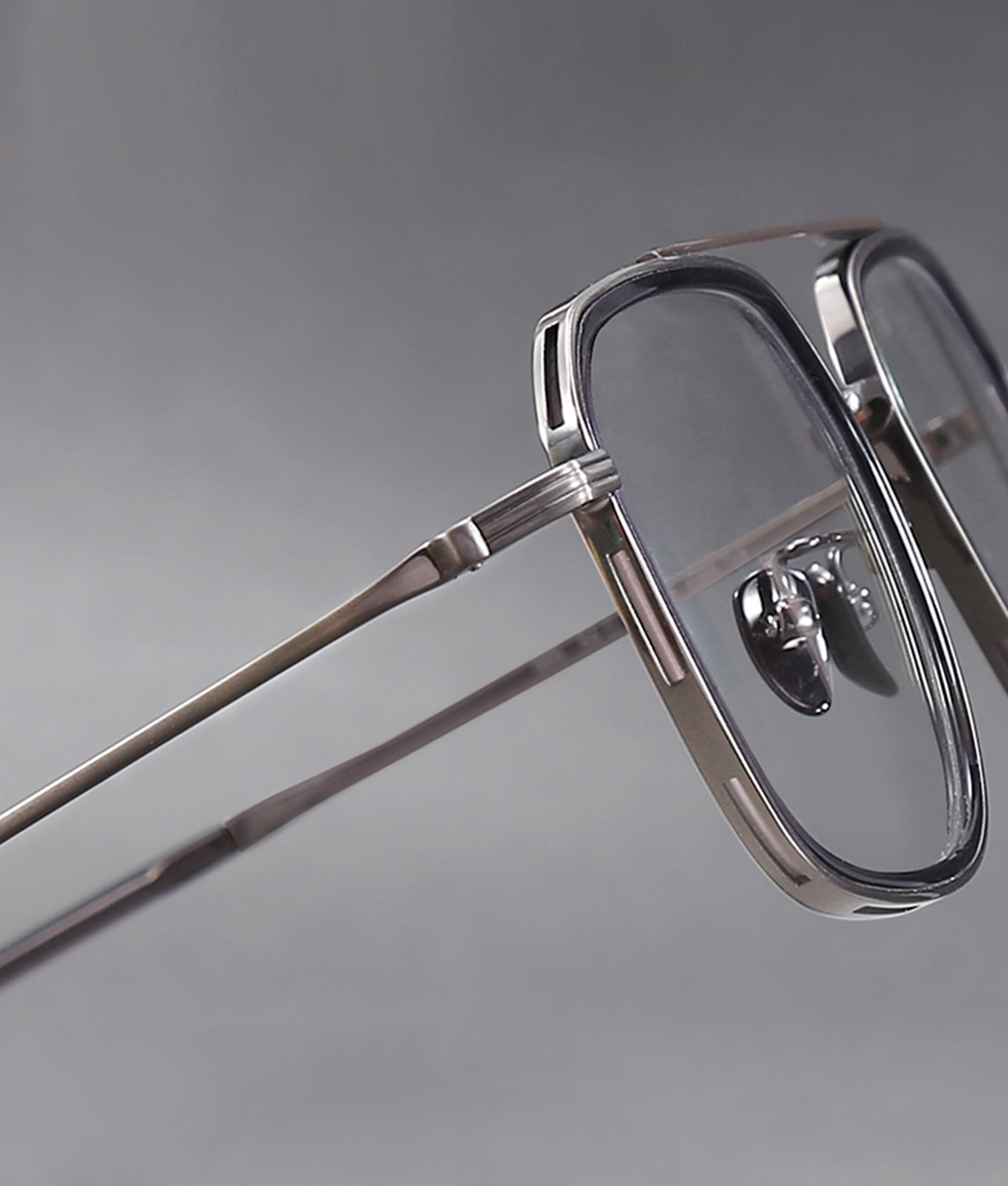
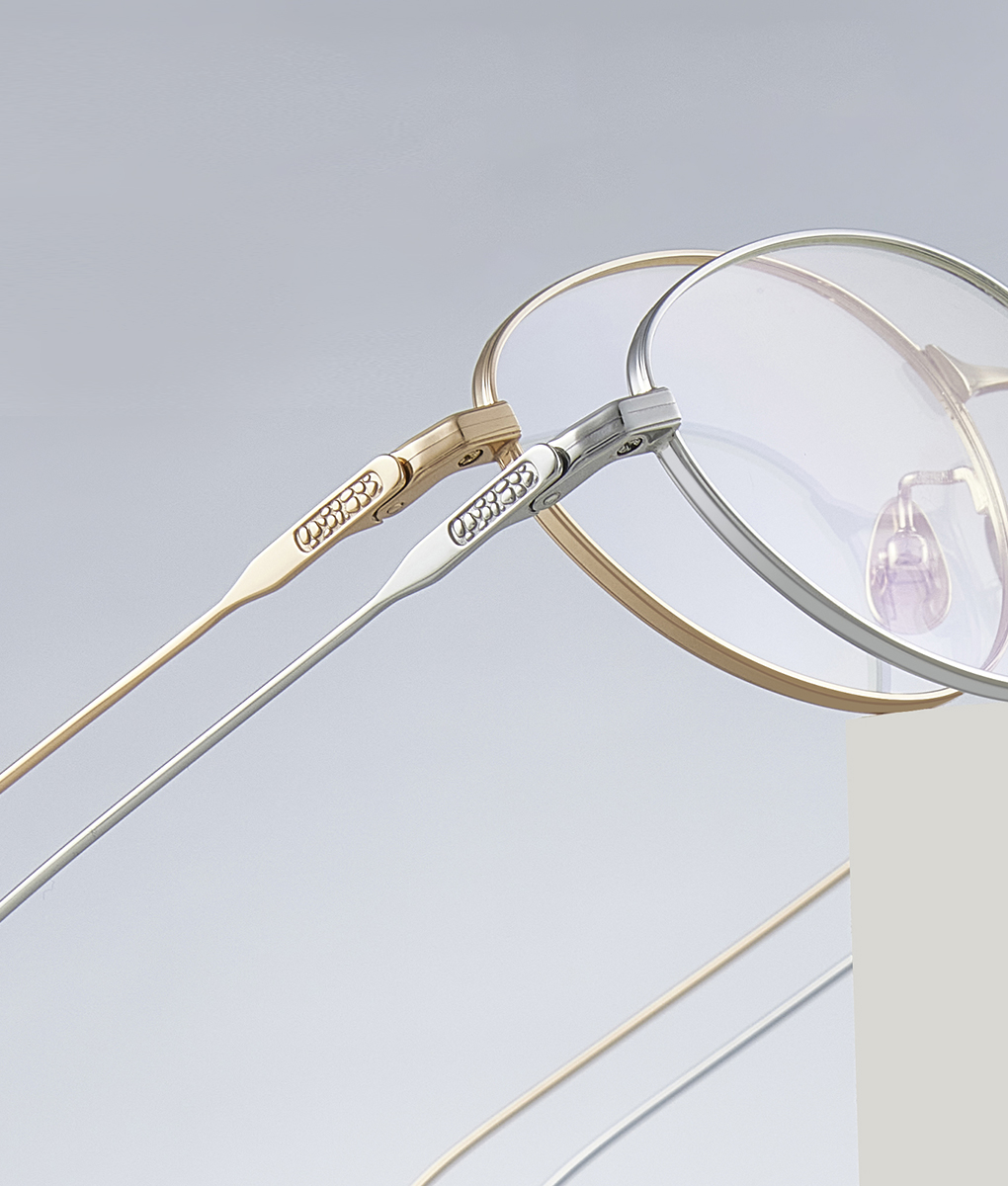
Metal frames occupy a large share in daily wearing choices, featuring delicate texture and lightweight body. Different metal raw materials bring totally different wearing feelings and durability differences. Conventional metal materials have stable hardness, not easy to deform under conventional extrusion, and the surface polishing process can present diverse visual effects, suitable for formal daily commuting and office occasions.
High-quality lightweight metal materials have obvious advantages in pressure bearing performance. Frames made of such materials can reduce about thirty percent of facial compression compared with ordinary metal products, bringing lighter wearing feeling for people who need to wear glasses all day long. Most metal frames have good ductility, and professional staff can fine-tune radian and tightness according to personal ear and nose conditions, improving fitting degree.
Plastic and Plate Frame Materials
Plate frames are favored by many wearers for rich color choices and strong stereoscopic sense. The material has solid texture, strong impact resistance, not easy to produce scratches in daily collision and friction. The overall shaping space of plate frames is large, and designers can create various retro, casual and fashionable modeling styles to meet diverse aesthetic demands of different crowds.
- Good skin-friendly property, low probability of allergic reaction, suitable for crowds with sensitive facial skin
- Strong weather resistance, not easy to fade and age under long-term sunlight exposure
- Thick frame structure can better wrap lenses, effectively prevent lens damage
Hybrid Composite Frame Materials
Composite frames combine the strengths of metal and plate materials, adopting splicing production technology in different parts. Metal accessories are used at the connection position to ensure structural firmness, and plate materials are applied to the contact part with skin to promote wearing comfort. This kind of frame balances appearance, weight and durability, and adapts to more complex daily use environments.
Frame Style Matching Rules Based on Facial Shapes
Matching eyeglass frame style with facial shape can optimize facial proportion visually and show personal temperament. Different contour features correspond to exclusive suitable frame types, avoiding highlighting facial defects and maximizing appearance advantages.
| Facial Shape | Recommended Frame Type | Style Effect |
|---|---|---|
| Round Face | Square and Angular Frames | Modify soft outline, enhance three-dimensional sense |
| Square Face | Round Curved Frames | Soft sharp jaw line, gentle overall look |
| Long Face | Wide Short Frames | Compress vertical proportion, coordinate face size |
| Oval Face | Most Frame Styles | Versatile matching, diverse temperament display |
Besides basic facial contour, forehead width, cheek prominence and jaw line radian also need to be taken into consideration. For people with relatively wide cheekbones, moderately widened frame side design can cover local facial features and make facial lines more harmonious. Narrow frame styles are more suitable for compact facial features, preventing glasses from exceeding facial scope and bringing awkward visual feeling.
Selection Standards of Frame Size and Wearing Fitting Degree
Basic Size Judgment Basis
Reasonable frame size is the premise of comfortable wearing. Oversized frames will slide down frequently when nodding and walking, affecting normal viewing and daily actions. Too small frames will clamp cheeks and temples tightly, causing obvious soreness after long-time wearing. Qualified frame width is basically consistent with the distance between two temples of the face, which can maintain stable wearing state without excessive compression.
The height of the nose support also affects fitting experience. Properly fitted nose support can evenly disperse the weight of glasses on the nasal bridge, avoiding partial pressure concentration leading to nasal bridge indentation. The bending radian of temple legs needs to fit the curve behind ears, neither loose to fall off nor tight to squeeze ear roots.
Scene-based Size Adjustment Suggestions
- Sports and outdoor activities prefer frames with slightly tighter wrapping property to resist shaking and wind impact
- Office and study long-time wearing chooses moderate loose size to reduce facial fatigue pressure
- Daily travel matching focuses on moderate size balance, taking both stability and comfort into account
Daily Maintenance and Fault Handling of Eyeglass Frames
Conventional Daily Maintenance Methods
Regular maintenance can slow down frame aging and keep good appearance and performance. In daily life, sweat, grease and dust will adhere to frame surface and gaps. Long-term accumulation will corrode material surface, cause color fading and poor telescopic flexibility of rotating parts. It is advisable to clean the frame surface with special soft cleaning tools at fixed intervals to remove surface attachments gently.
Avoid placing glasses randomly on desktop, sofa and other hard surfaces, effectively reducing scratch and collision damage. When taking off and putting on glasses, operate with both hands symmetrically, not pull single side temple leg forcibly, so as not to cause frame skew and structural loose. Keep frames away from high-temperature environment, high heat will deform plastic and plate materials, and accelerate oxidation discoloration of metal surfaces.
Common Minor Problems and Solutions
Frames will appear small problems after a period of use. Slight loose rotation hinge leads to unstable lens position, which can be adjusted by fine-tuning internal connecting parts. Slight deformation of frame outline caused by accidental extrusion can be repaired through professional shaping correction. For local surface slight wear, daily careful protection can prevent wear range from expanding.
All structural adjustment work is recommended to be completed by professional personnel. Self arbitrary bending and screwing are easy to aggravate deformation, even damage internal connection structure, bringing irreversible impact to the whole eyeglass frame.
Age and Crowd Oriented Frame Selection Tips
People of different age groups have distinct demands for eyeglass frames in terms of comfort, safety and style. Juvenile users are in the growth stage, with active daily movements and vulnerable facial skin, so frames with anti-fall, light weight and anti-allergy materials are more suitable. Flexible structural design can adapt to subtle facial changes in growth period, reducing frequent replacement frequency.
Adult users pay equal attention to practicality and appearance matching, and can select frame styles according to occupation and daily dressing style. Staff engaged in precise work need stable and close-fitting frames to ensure viewing stability. People in frequent social occasions tend to choose elegant and delicate frame modeling to coordinate personal image temperament.
Elderly crowd prioritizes wearing comfort and convenient wearing and taking off. Lightweight frame body reduces long-term facial bearing pressure, simple structural design is easy to operate daily. Proper frame size and soft contact parts can adapt to the facial physical characteristics of the elderly, creating relaxed and labor-saving wearing experience.