English
  عربى
عربى 
Reading glasses are the most effective and immediate non-surgical solution for presbyopia, restoring the ability to focus on near objects with clarity. While they do not cure the underlying biological aging of the eye, they are essential tools for maintaining quality of life, reading comfort, and visual acuity for close-up tasks.
Understanding the Aging Eye and Presbyopia
To fully appreciate the value of reading glasses, one must first understand the physiological changes occurring within the eye. Presbyopia is a natural, age-related condition that affects virtually everyone, typically beginning to manifest between the ages of 40 and 45. Unlike myopia or hyperopia, which are related to the shape of the eyeball, presbyopia is caused by the hardening of the natural lens inside the eye.
In a youthful eye, the lens is flexible and soft, allowing it to change shape easily. This flexibility enables the eye to focus light directly onto the retina for both distant and near objects. As we age, the lens proteins degrade, causing the lens to lose its elasticity and become rigid. Consequently, the eye can no longer focus on close objects effectively, leading to blurred vision when reading books, looking at smartphones, or performing detailed work.
Recognizing the Early Symptoms
- The tendency to hold reading materials at arm's length to bring them into focus.
- Experiencing eye strain, fatigue, or headaches after reading or doing close work.
- Blurred vision at normal reading distance, especially in dim lighting.
- Difficulty focusing on small print, such as ingredient labels or text messages.
A Comparative Look at Lens Options
Not all reading glasses are created equal. The type of lens you choose significantly impacts your visual experience and adaptability. Understanding the differences between lens styles is crucial for selecting the right pair for your lifestyle.
| Lens Type | Best Use Case | Visual Range |
|---|---|---|
| Single Vision | General reading, hobbies | Near distance only (typically 12-18 inches) |
| Bifocals | Need for distance and near correction | Two distinct zones with a visible line |
| Progressives | Driving, computer, and reading | Seamless transition from far to near |
Single Vision Lenses are the most common choice for individuals who do not require distance correction. These lenses have the same power throughout the entire lens and are optimized for a specific focal distance, usually the standard reading distance. They offer a wide field of view for reading but must be removed to see clearly at a distance.
Progressive Lenses offer a modern solution without the visible lines found in bifocals. They provide a gradient of increasing lens power, allowing the wearer to see clearly at distance, intermediate ranges (like a computer screen), and near points (reading) through different parts of the same lens. While they require a short adaptation period, they provide the most natural visual experience for varied tasks.
Frame Materials and Construction
The material of the frame affects not only the durability and weight of the glasses but also the comfort during prolonged wear. Selecting the right material is a balance between aesthetic preference and functional needs.
Plastic and Acetate Frames
These frames are popular for their versatility in color and texture. They are generally hypoallergenic and can hold bold shapes well. While durable, they may become brittle in extreme temperatures and can feel heavier than metal counterparts for very large designs.
Metal and Titanium Frames
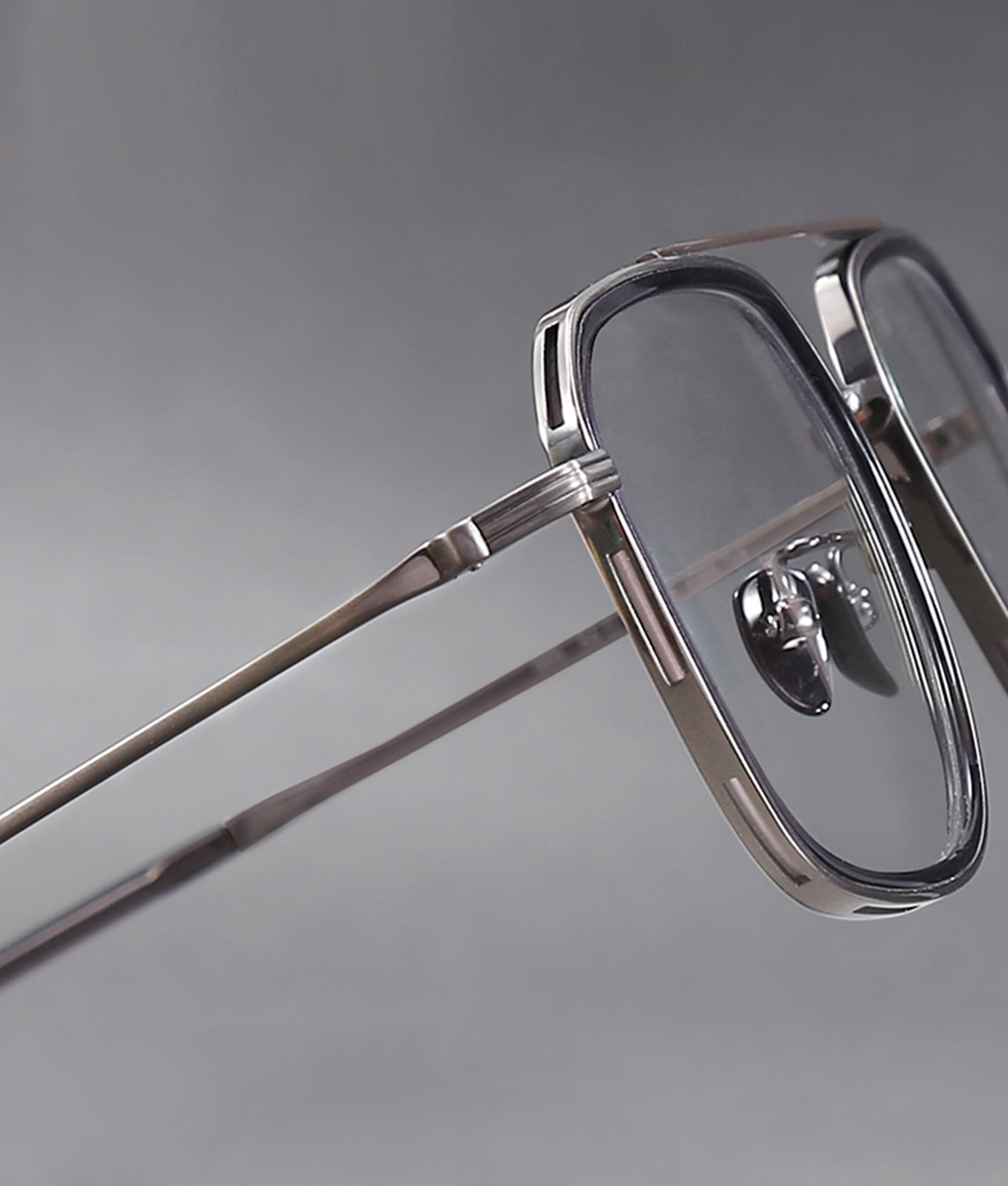
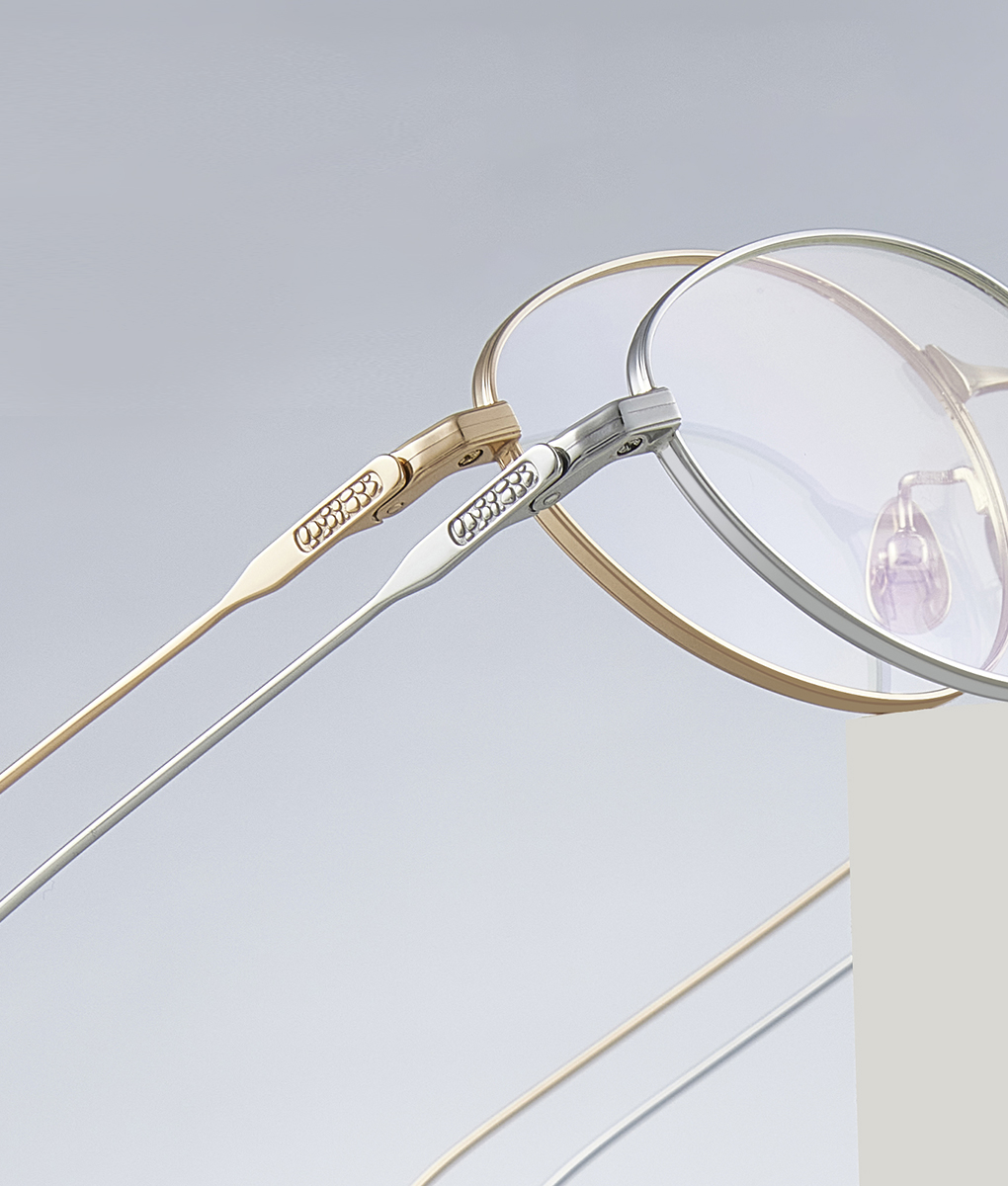
Metal frames offer a sleek, lightweight profile. Titanium, in particular, is exceptionally strong, corrosion-resistant, and hypoallergenic, making it ideal for sensitive skin. These frames often feature adjustable nose pads for a customized fit.
Essential Maintenance and Hygiene
Proper care of your reading glasses ensures they remain effective and scratch-free for as long as possible. Neglect can lead to degraded visual quality and discomfort.
- Cleaning Technique: Always rinse lenses with lukewarm water before wiping to remove abrasive dust particles. Use a microfiber cloth specifically designed for lenses to avoid scratches.
- Safe Storage: When not in use, place glasses in a hard-shell case. This protects them from being sat on, crushed, or scratched by keys and other items in a bag.
- Handling with Care: Use both hands to put on and take off your glasses to prevent misaligning the frames. Avoid placing the lenses face down on any surface.
- Tightening Screws: Periodically check the screws at the hinges. If they become loose, the fit may become unstable. A small precision screwdriver can usually fix this issue quickly.
Addressing Digital Eye Strain
In the modern era, we spend a significant amount of time staring at digital screens, which emit blue light and require a fixed focal distance. This can exacerbate eye strain even with reading glasses.
Blue Light Filtering Lenses are designed to reduce the amount of blue light entering the eye. While research is ongoing, many users report reduced eye fatigue and improved sleep patterns when using these lenses in the evening. However, the primary cause of digital strain is often the lack of blinking and the fixed focusing distance.
To combat this, ophthalmologists recommend the 20-20-20 rule: Every 20 minutes, look at something 20 feet away for at least 20 seconds. This relaxes the focusing muscle inside the eye and reduces fatigue. Combining this habit with the correct reading glasses prescription creates a comprehensive defense against digital eye strain.